Physical Address
304 North Cardinal St.
Dorchester Center, MA 02124
Physical Address
304 North Cardinal St.
Dorchester Center, MA 02124

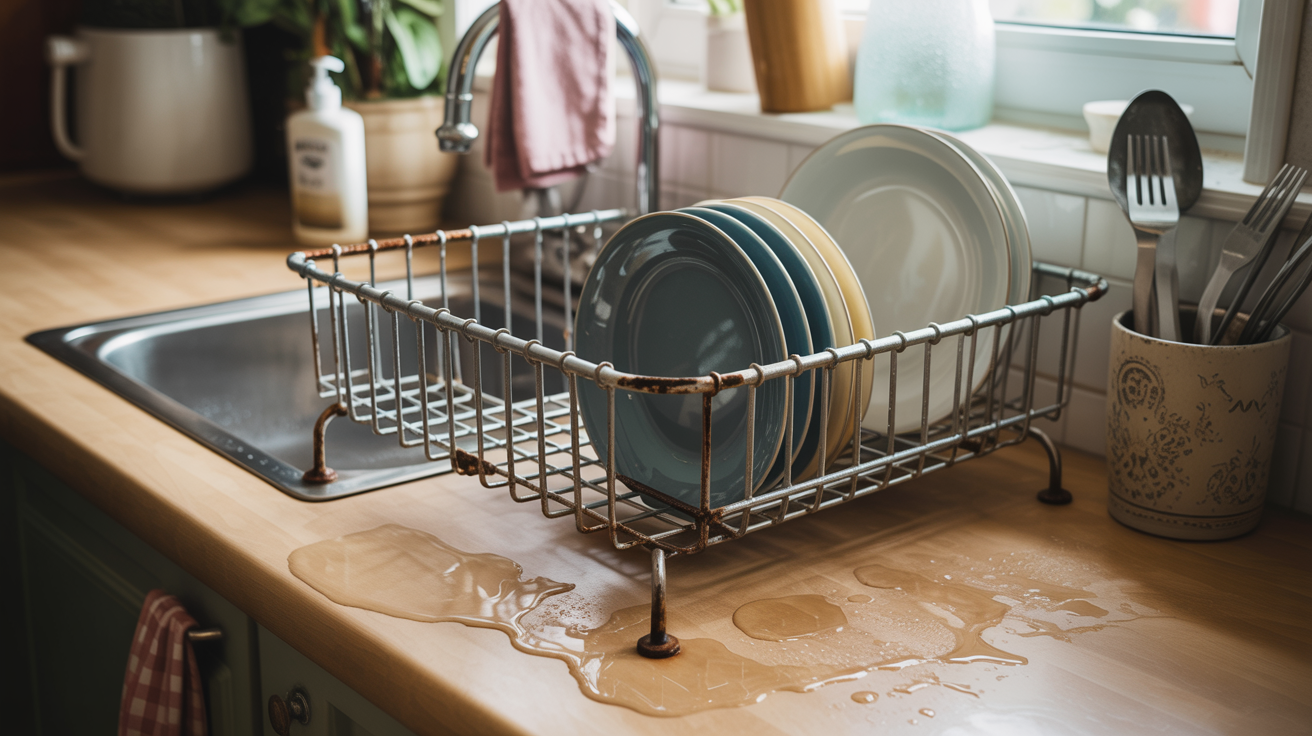
At first, your dish rack looks fine. Then small brown spots appear near the joints. A few weeks later, water collects in corners, plates leave marks, and that “clean” drying area suddenly feels unhygienic. Rusty dish racks are one of the most common kitchen frustrations—and most people don’t realize why it keeps happening until it’s too late.
The issue usually isn’t how often you clean it. It’s what the rack is made of and how it handles water.
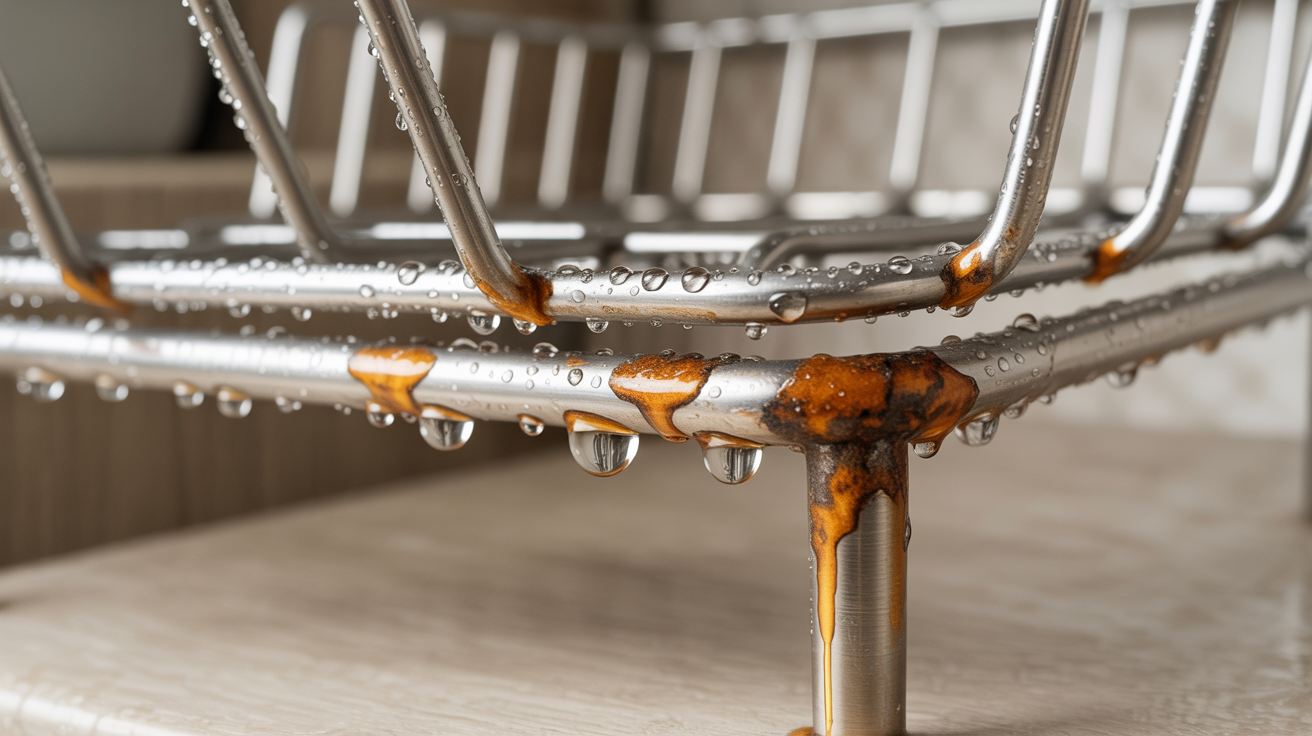
Dish racks live in the wettest zone of the kitchen. Constant exposure to water, soap residue, and humidity creates the perfect conditions for corrosion.
Rust forms mainly because of three design problems:
Many people replace traditional racks with rust-resistant dish racks designed for wet sink areas once they realize how easily moisture gets trapped.
Even racks marketed as “stainless” can rust if only parts of the rack are coated or if weld points are left unprotected.
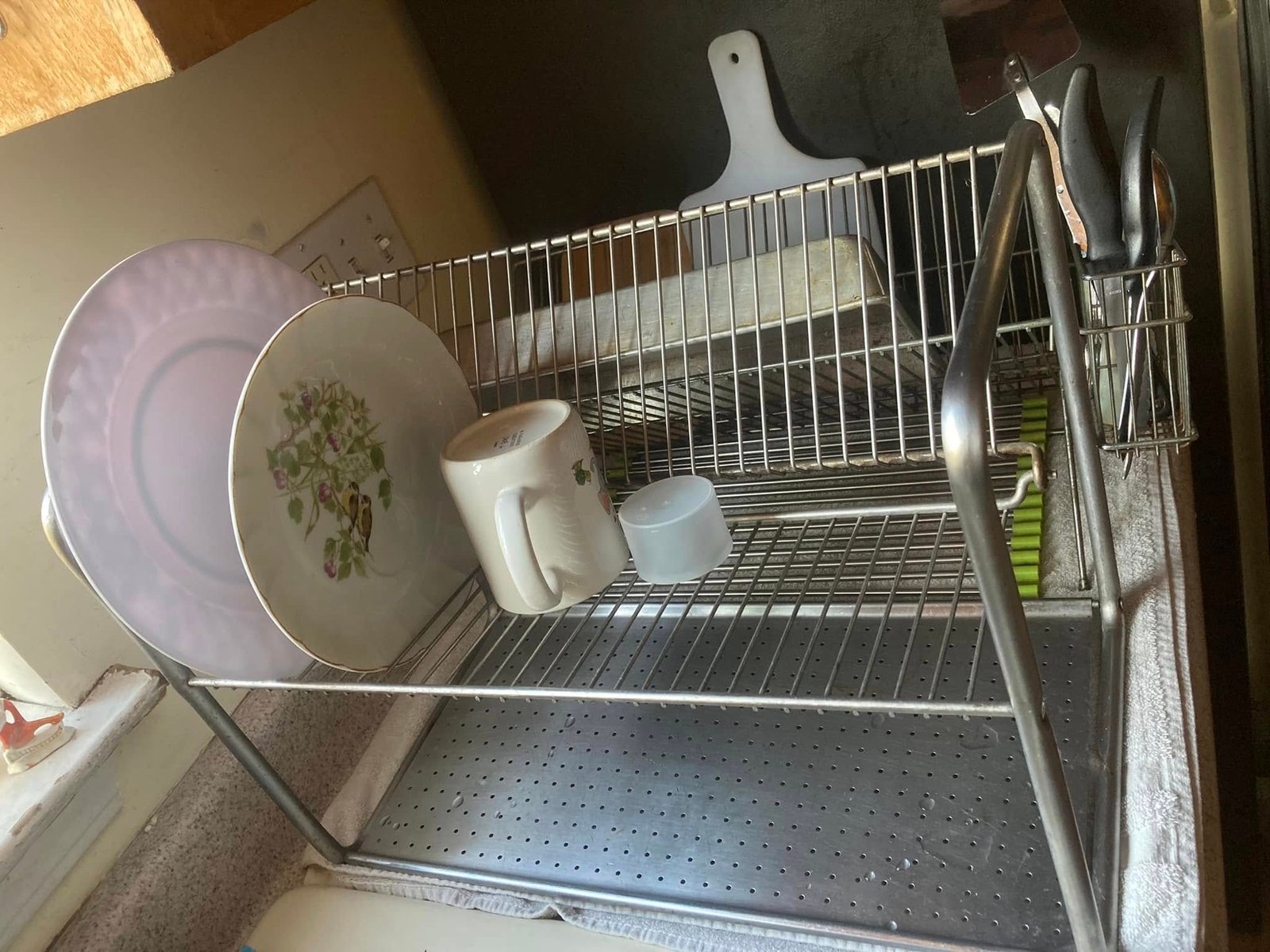
When people search for a rust-free dish rack, they often focus only on material. But rust resistance comes from how water moves across the rack.
A good rack supports:
Racks that include angled drainage and open spacing—like dish racks with built-in drainage spouts—allow water to flow away instead of sitting underneath dishes.
When these factors work together, rust simply doesn’t get a chance to start.
Instead of chasing labels, it helps to understand how different materials behave over time.
Coated steel racks
These rely on a protective outer layer. When intact, they resist rust well—but scratches or worn joints can become weak points. They work best when paired with good drainage and removable trays.
Plastic or resin racks
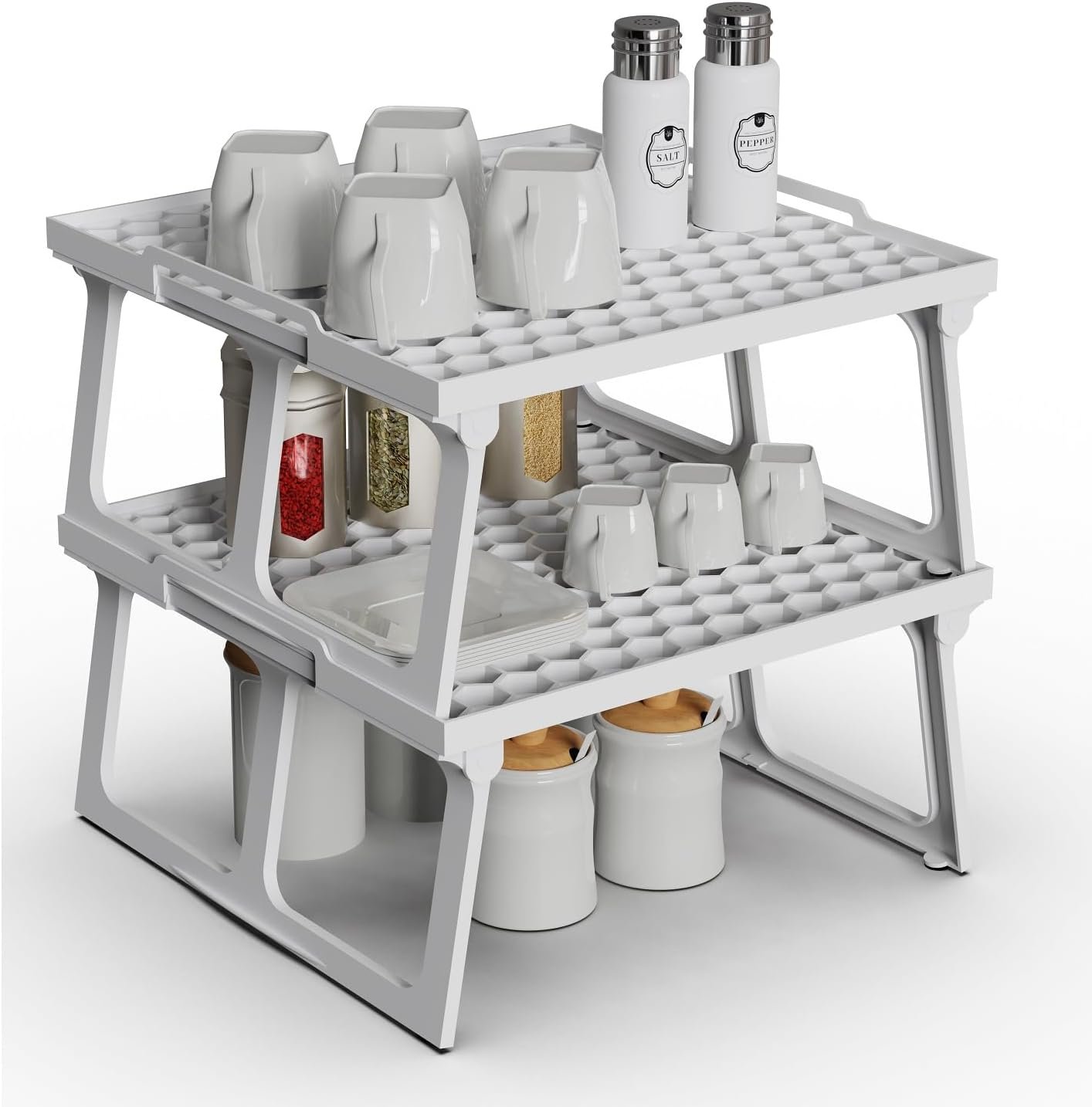
These don’t rust at all, which makes them ideal for high-humidity kitchens. Many modern designs are sturdy, easy to clean, and surprisingly durable for everyday use.
For consistently humid kitchens, many households prefer plastic or resin dish drying racks since they don’t rely on coatings to stay rust-free.
Solid stainless steel (properly finished)
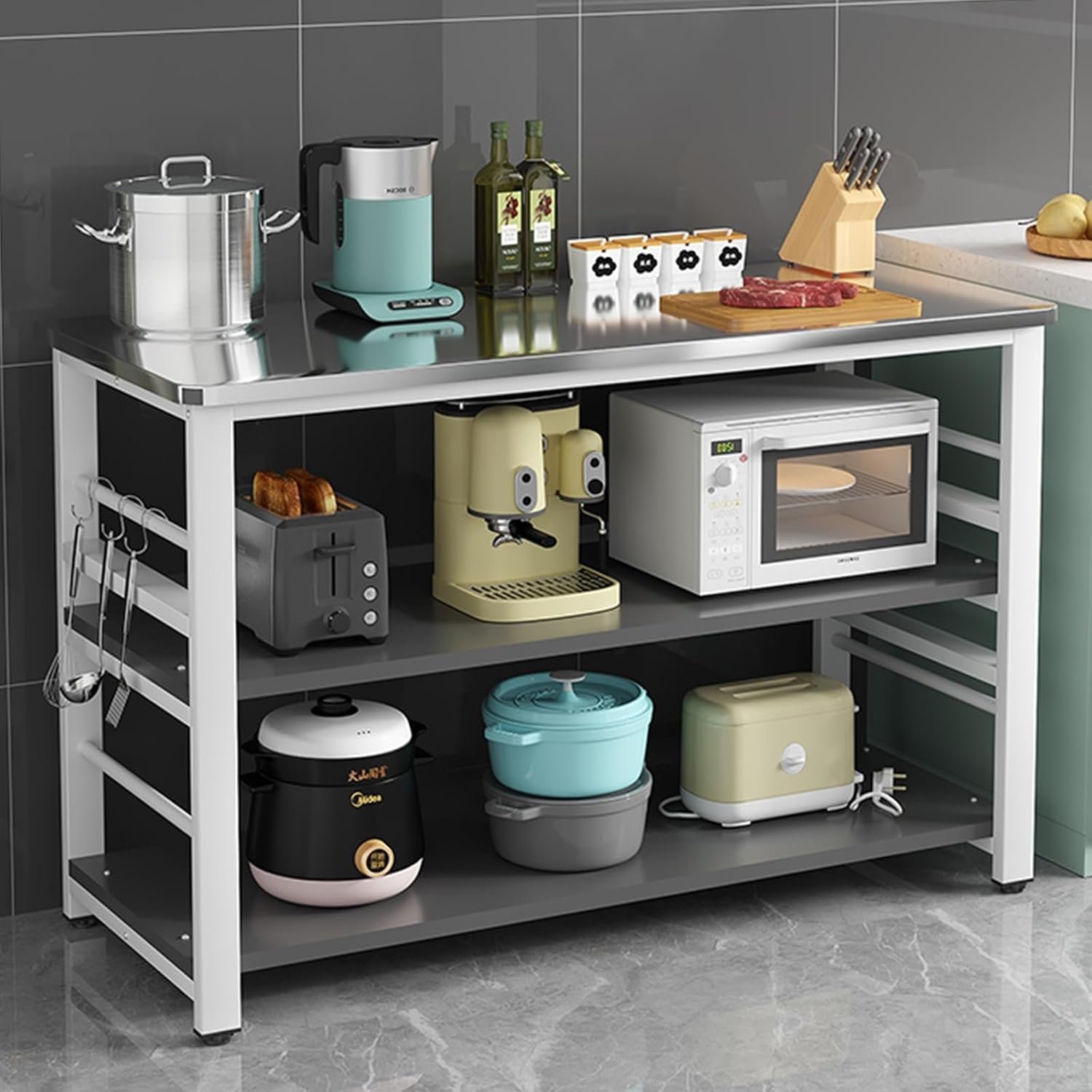
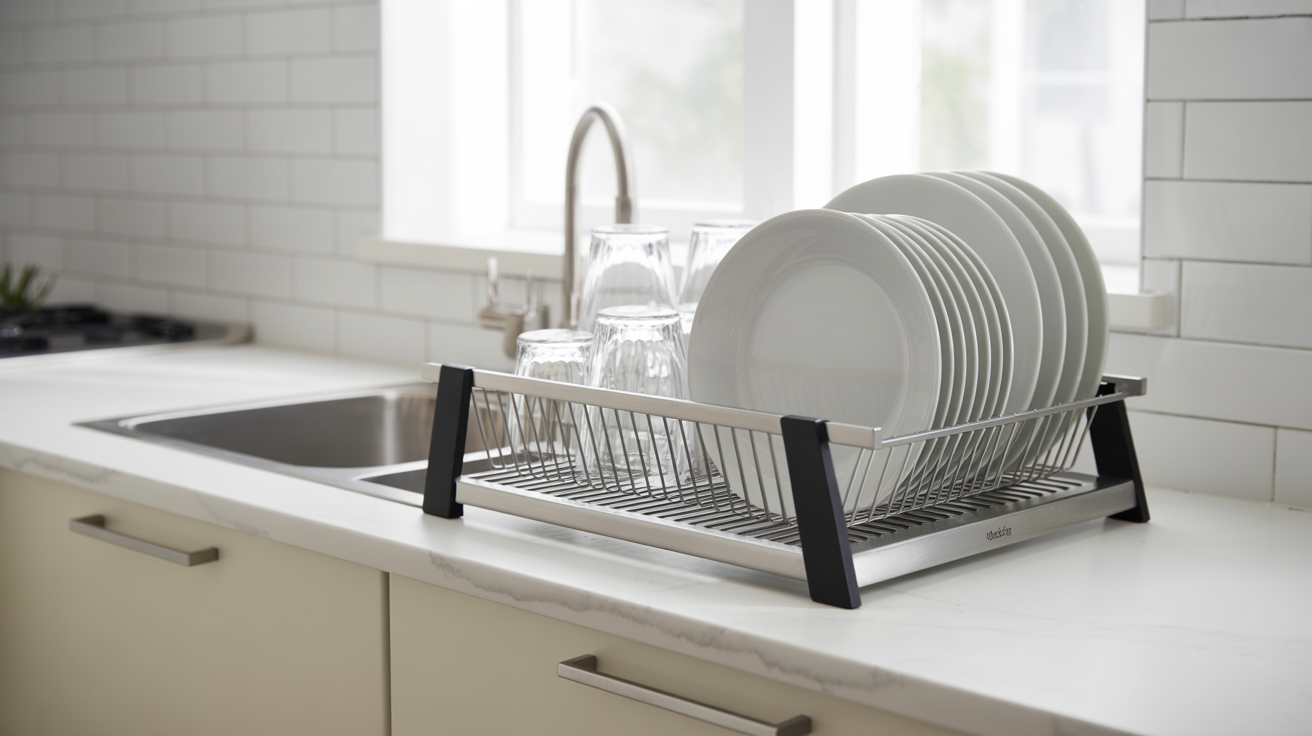
When the entire rack—including joints and welds—is finished correctly, stainless steel resists corrosion effectively. These designs usually focus on open layouts and sloped bases to move water away quickly.
When properly finished, solid stainless steel dish racks with sealed joints dry faster and hold up well to daily use.
Many homeowners browsing Amazon end up comparing these styles based on how their sink area is used, rather than just appearance.
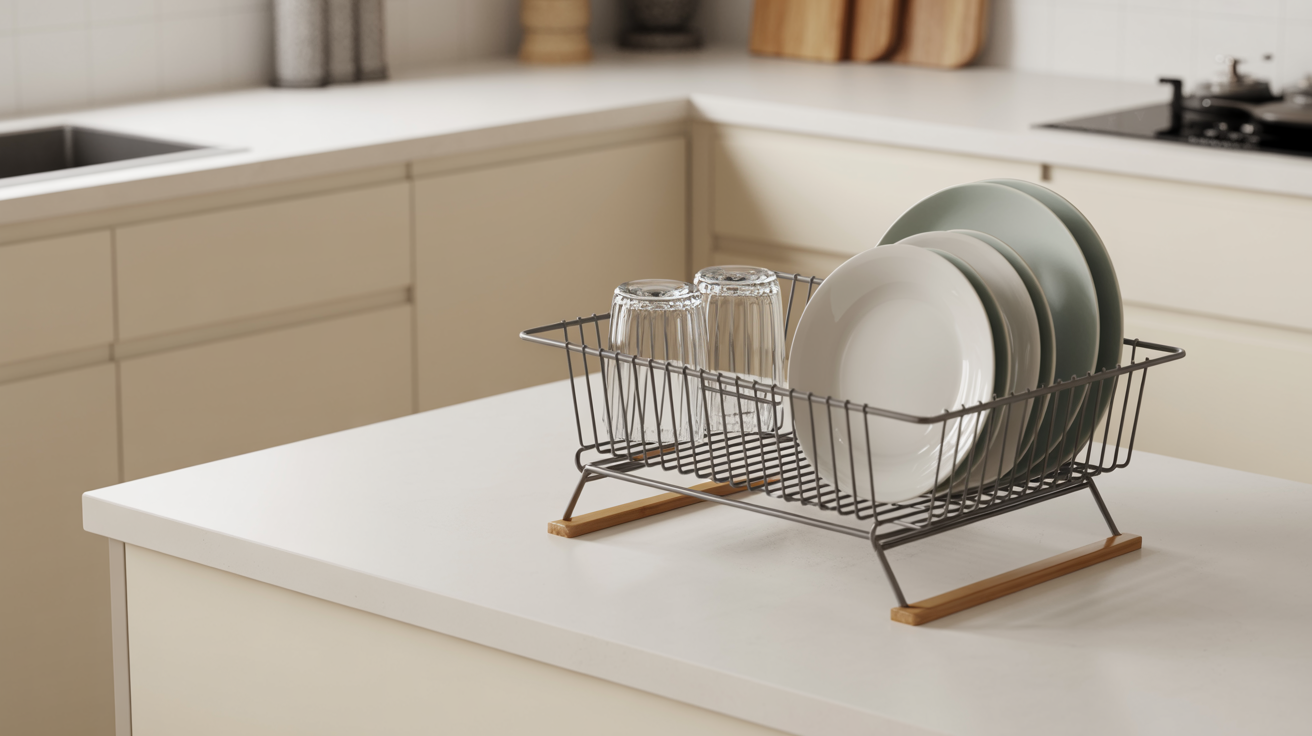
Two dish racks can look similar but behave very differently once water hits them.
Drainage angle and tray design
Flat trays trap water. Slightly sloped or removable drip trays guide water back into the sink, keeping the rack dry between uses.
Raised feet or sink-bridging designs
When a rack sits flat on the counter, moisture gets trapped underneath. Raised designs or sink-spanning racks improve airflow and reduce hidden damp spots.
Separated slots instead of crowded grids
Tightly packed plates dry slower. Racks with defined spacing improve visibility, airflow, and hygiene—all of which reduce long-term wear.
Features like raised feet and removable trays are common in dish racks with removable drip trays, making them easier to clean and dry completely.
These are the details readers often start looking for once they realize rust is a design issue, not just a cleaning one.
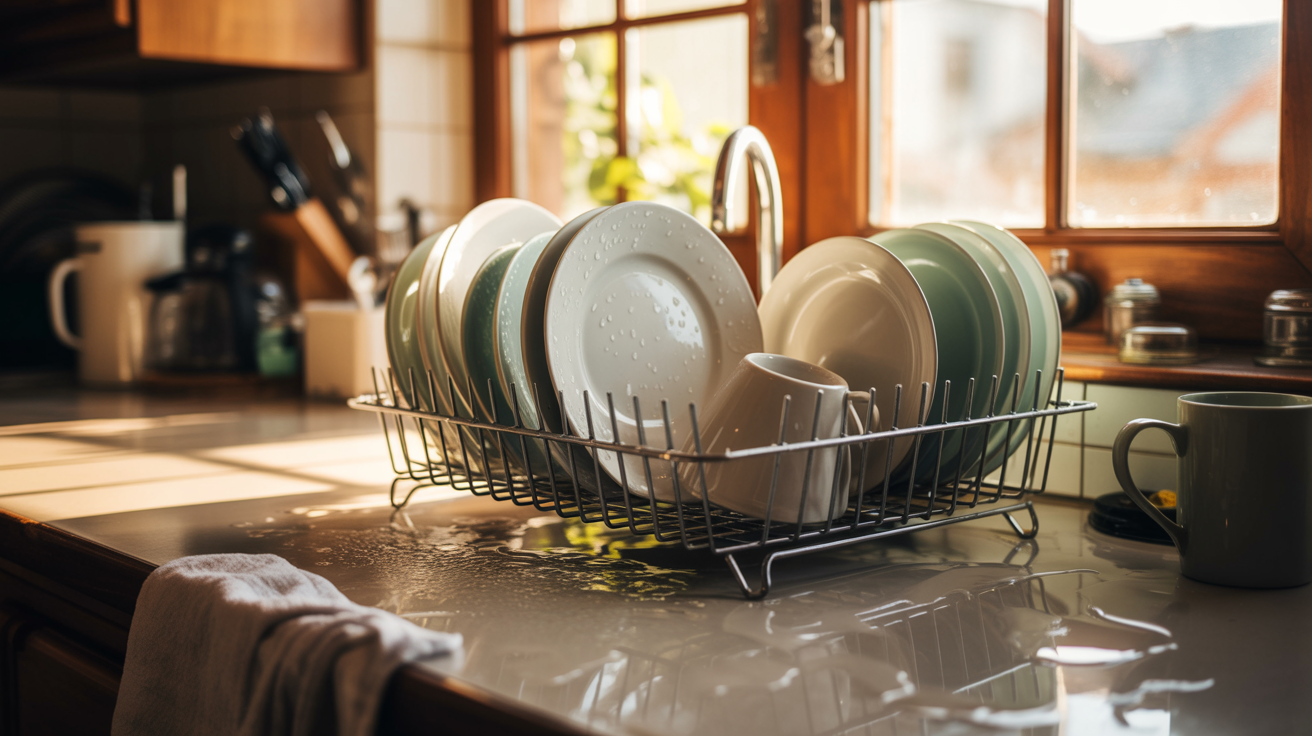
Imagine washing dishes at night and leaving them to dry. By morning, water has pooled under the rack, cups are still damp, and the metal near the joints never fully dries. Over weeks, that moisture quietly breaks down the coating.
This is why many people switch to rust-resistant dish racks with angled drainage or removable trays—not because they want an upgrade, but because they want something that stays clean without extra effort.
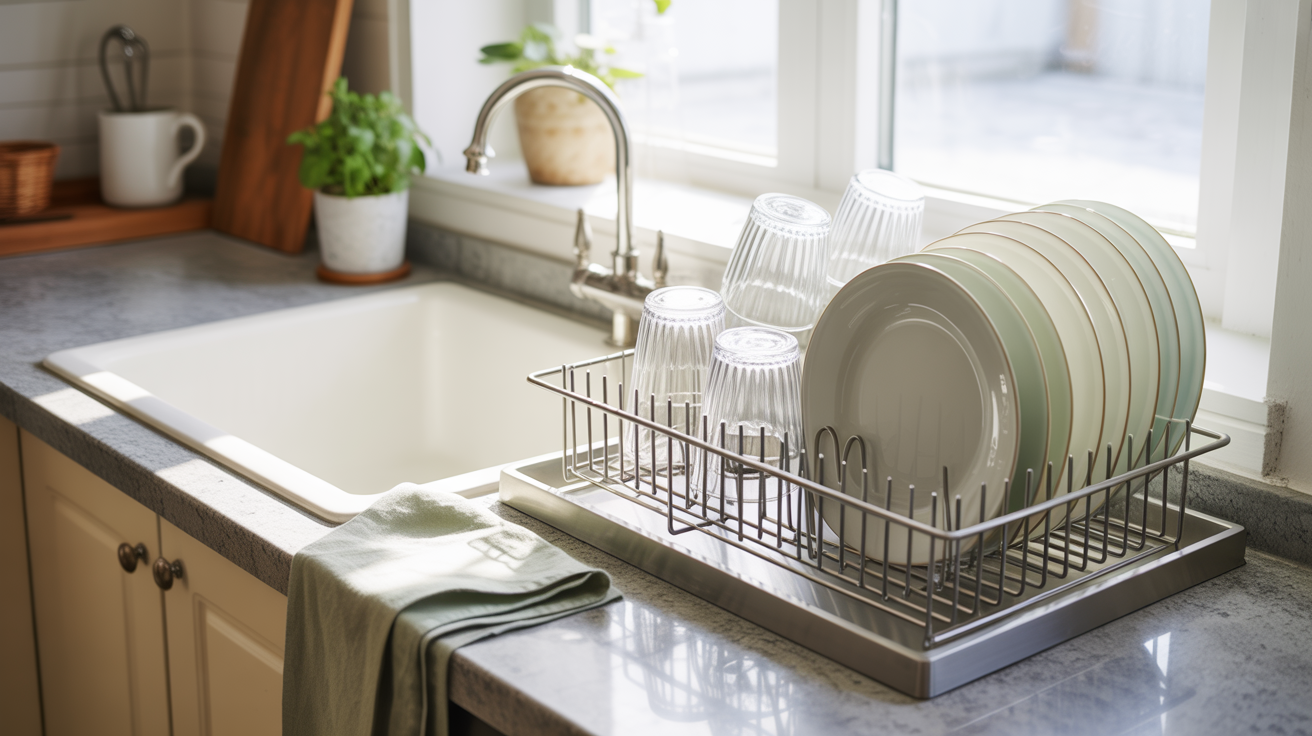
Once the problem is clear, the buying decision becomes simpler. People tend to look for:
At this stage, browsing a few well-designed dish racks on Amazon feels practical, not promotional—because the reader knows exactly what problem they’re solving.
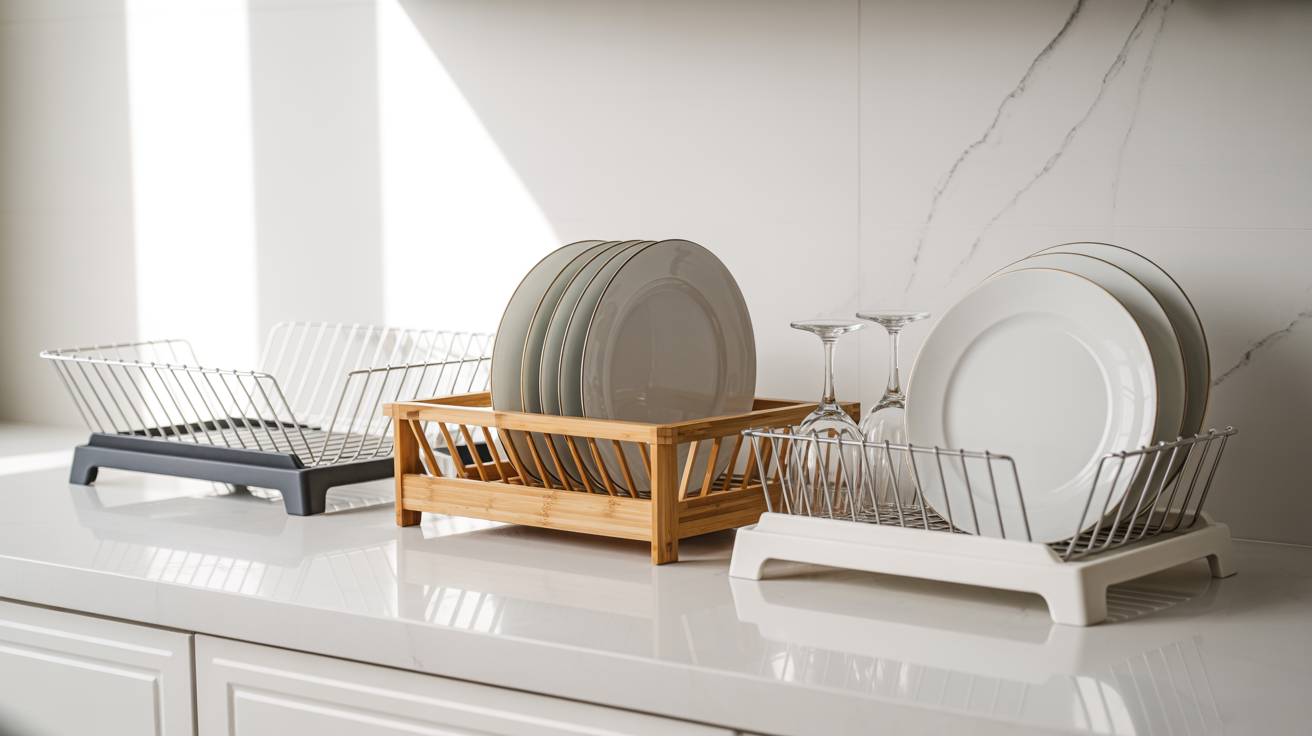
Before replacing anything, look at where your current rack fails. Is water pooling underneath? Are joints staying wet? Are plates drying unevenly?
Choosing a rust-free dish rack isn’t about buying something fancy—it’s about choosing a design that respects how water behaves in your kitchen. When drainage, airflow, and material work together, rust stops being a recurring issue and your sink area stays cleaner with far less effort.
Starting with a well-draining dish rack designed to resist rust is often enough to keep the sink area cleaner without changing anything else.
Sometimes, one small change next to the sink is all it takes to fix a problem you’ve been tolerating for years.