Physical Address
304 North Cardinal St.
Dorchester Center, MA 02124
Physical Address
304 North Cardinal St.
Dorchester Center, MA 02124

Oslo may be Norway’s capital, but it feels refreshingly compact and easy to explore. In just two days, you can experience the city’s striking modern architecture, fascinating museums, historic landmarks, scenic waterfront, and beautiful green spaces without feeling rushed. Whether you’re visiting before heading to the fjords or spending a weekend in the city, this itinerary helps you make the most of your time.
The best part? Most attractions are within walking distance or a short tram, metro, ferry, or bus ride away. Combine that with excellent public transport and plenty of outdoor spaces, and Oslo becomes one of Europe’s easiest capitals to discover.
A little planning can make your visit smoother.
Here are a few practical tips:
Spend your first day exploring Oslo’s historic center and beautiful harbor.
Start your morning at Oslo Cathedral near Stortorvet before walking along Karl Johans Gate, Oslo’s famous pedestrian boulevard.
Along the way you’ll pass:
At the western end of the boulevard sits the elegant Royal Palace, surrounded by peaceful gardens that are free to explore.
If you’re visiting during summer, guided palace tours may also be available.


A short walk brings you to the impressive Oslo City Hall, famous for hosting the annual Nobel Peace Prize ceremony.
Inside you’ll find:
Nearby, the Nobel Peace Center is worth visiting if you’re interested in global history and peace initiatives.
Head toward Oslo’s lively waterfront for lunch.
Aker Brygge is one of the city’s most popular districts, filled with:
Continue walking into neighboring Tjuvholmen, where you’ll discover contemporary architecture, public art installations, and a relaxed waterfront atmosphere.
This area is ideal for enjoying lunch with views across the Oslofjord.


After lunch, explore Akershus Fortress, one of Oslo’s oldest landmarks.
Dating back to the 13th century, the fortress offers:
The grounds are free to enter and provide some of the city’s best panoramic views.


Finish your first day at the iconic Oslo Opera House.
Unlike most opera houses, visitors can walk directly onto its sloping marble roof to enjoy incredible views over the city and the Oslofjord.
Sunset is one of the best times to visit, when the waterfront glows in warm evening light.
Afterward, choose one of these options:


Your second day combines Oslo’s cultural attractions with one of its trendiest neighborhoods.
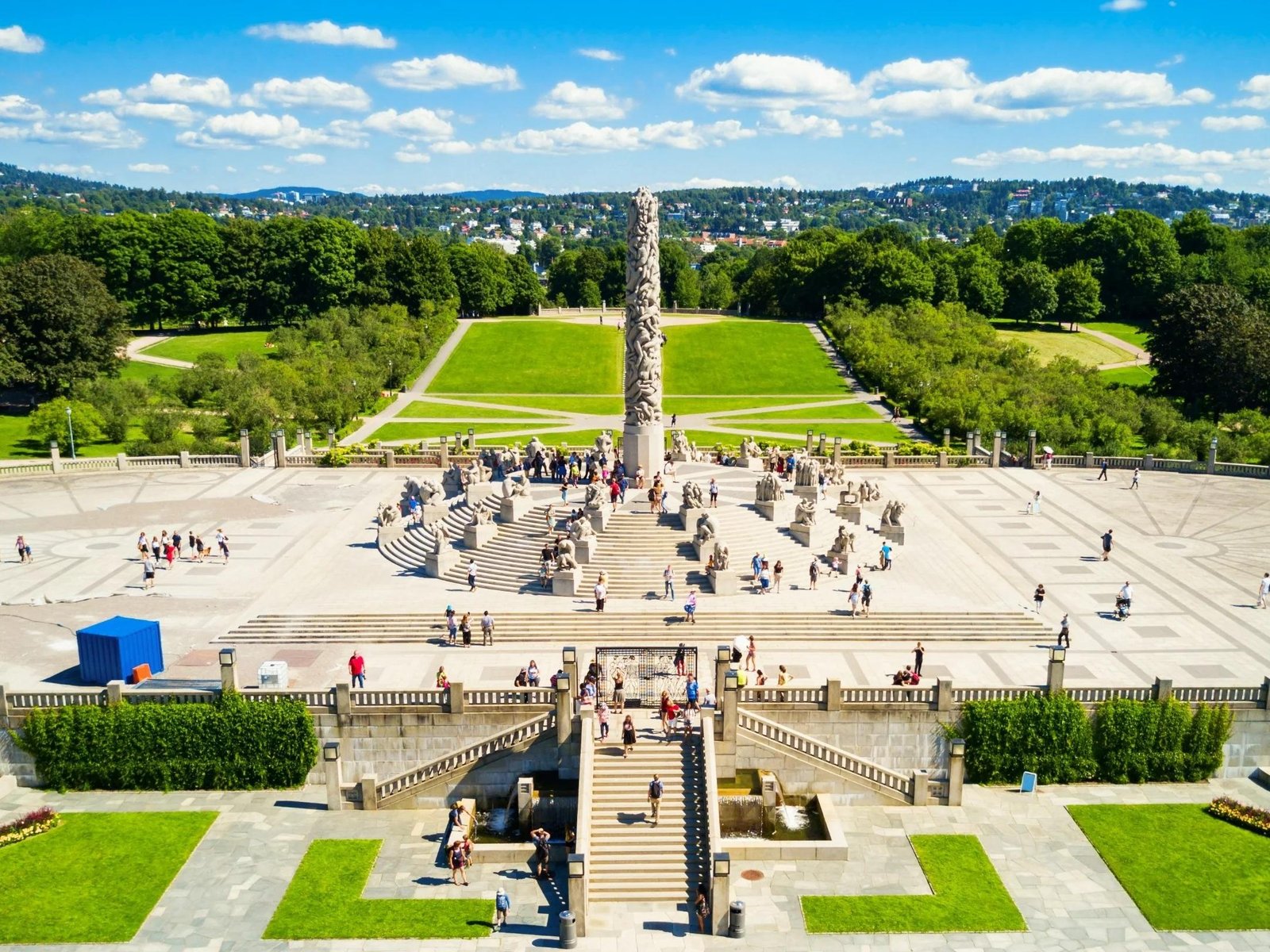
Start your morning at Vigeland Sculpture Park, located inside Frogner Park.
Created by Gustav Vigeland, the park features more than 200 sculptures depicting every stage of human life.
Don’t miss:
Best of all, admission is completely free.


Next, take a scenic ferry (summer) or bus to the Bygdøy Peninsula.
This area is home to some of Norway’s best museums.
Step aboard the legendary polar exploration ship Fram and discover Norway’s incredible Arctic expeditions through interactive exhibits.
Learn about Thor Heyerdahl’s famous Pacific Ocean expedition aboard the Kon-Tiki raft.
If time allows, explore this outstanding open-air museum showcasing traditional Norwegian houses, churches, and rural life.
Returning by ferry offers another opportunity to enjoy spectacular views across the Oslofjord.


Spend your final evening exploring Grünerløkka, Oslo’s creative and youthful neighborhood.
It’s the perfect place to experience local life.
Highlights include:
Take your time wandering through the neighborhood before enjoying a relaxed dinner.


If you have extra time, consider adding one of these experiences:
Oslo has an excellent dining scene, though prices can be high.
For affordable meals, try:
If you’d like to sample traditional Norwegian cuisine, look for:
Most of central Oslo is easy to explore on foot.
For longer journeys, use:
The Ruter app makes planning public transport simple, and the Oslo Pass can help save money on both transport and museum admission.
For first-time visitors, these neighborhoods are excellent choices:
Staying centrally means you’ll spend less time commuting and more time exploring.
Two days is enough to experience the very best of Oslo. From walking along Karl Johans Gate and exploring medieval fortresses to admiring world-famous sculptures, cruising across the Oslofjord, and relaxing in trendy neighborhoods, the city offers a perfect mix of history, culture, nature, and modern Scandinavian design. Whether you’re beginning a longer Norway adventure or enjoying a city break, Oslo’s welcoming atmosphere, walkable streets, and stunning waterfront make it a destination you’ll want to linger in.