Physical Address
304 North Cardinal St.
Dorchester Center, MA 02124
Physical Address
304 North Cardinal St.
Dorchester Center, MA 02124


Loneliness isn’t always about being alone.
Sometimes the deepest loneliness happens when you’re sitting right next to someone you love. From the outside, everything may look fine. You’re still together, still talking, still sharing a life. Yet somehow, you feel emotionally disconnected and unseen.
Feeling lonely in a relationship doesn’t automatically mean the relationship is over. However, it is often a sign that an important emotional need isn’t being met.
Here are nine signs you may be feeling lonely even when you’re together.
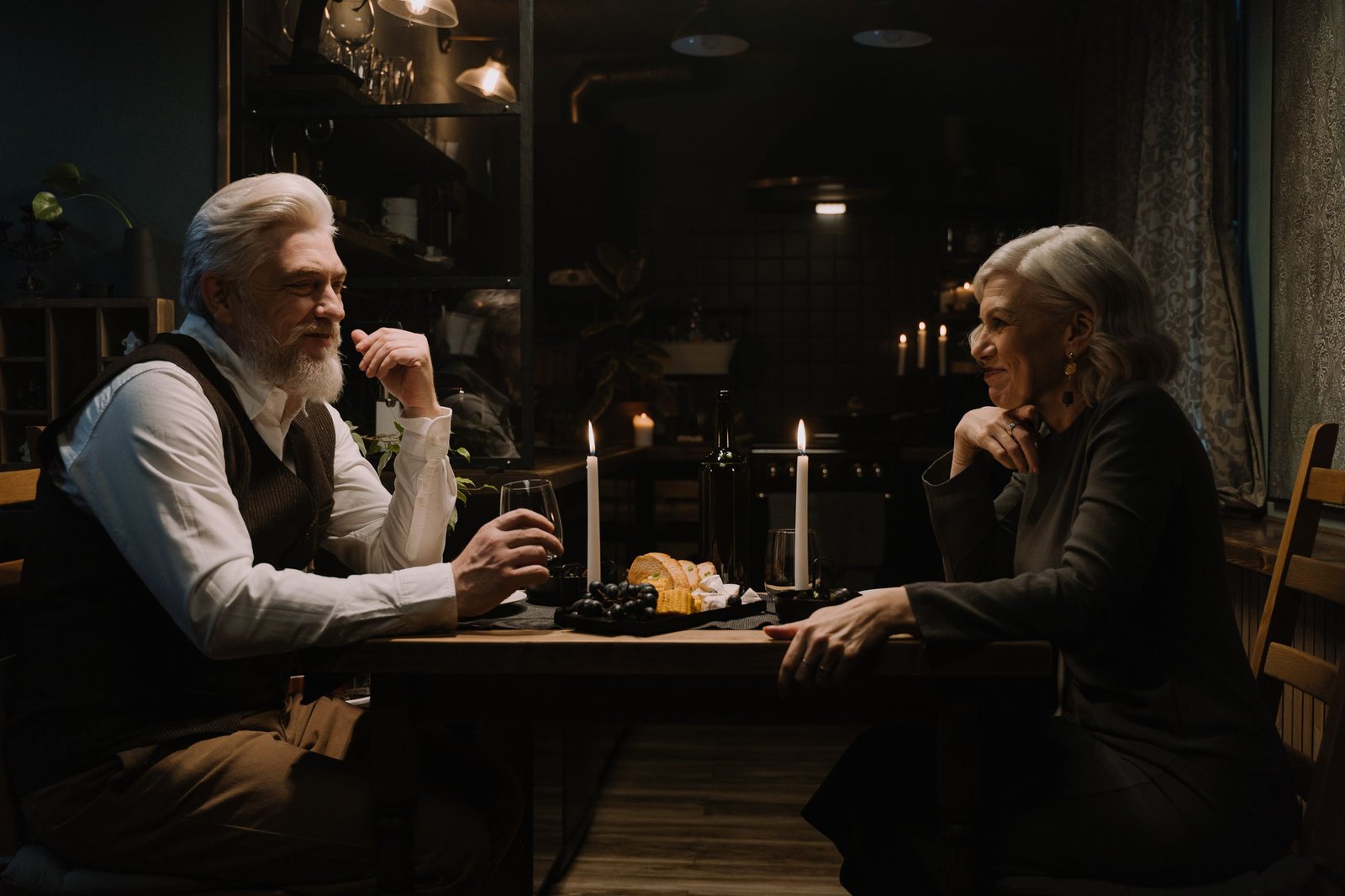
You talk every day, but most conversations revolve around responsibilities, schedules, or daily routines.
Instead of discussing your feelings, dreams, fears, or personal experiences, communication becomes transactional.
You may find yourself thinking:
“We talk all the time, but I don’t feel understood.”
Emotional intimacy grows through meaningful conversations. When those conversations disappear, loneliness often takes their place.
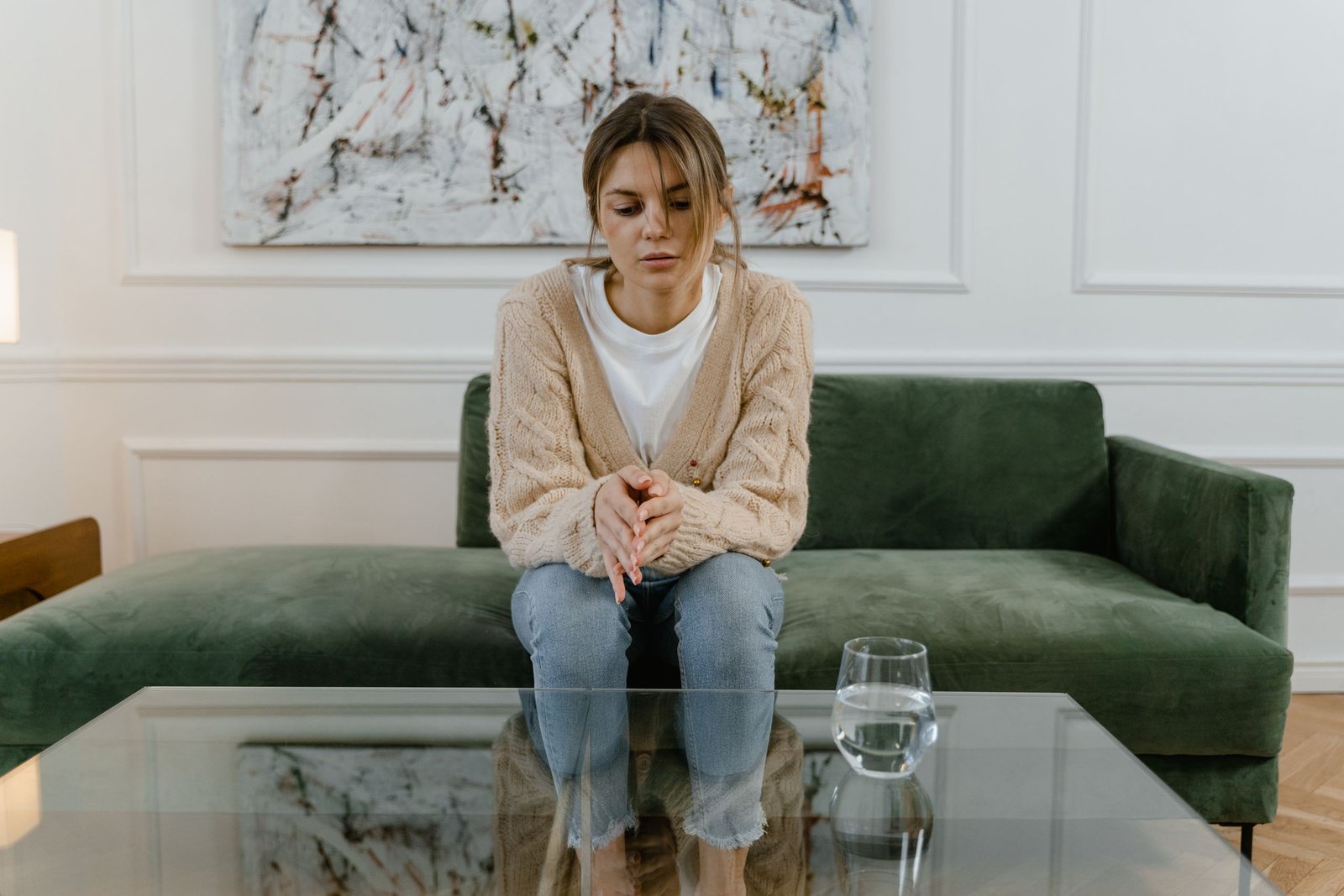
Everyone goes through difficult moments.
In a healthy relationship, your partner becomes a source of comfort during those times.
If you’re struggling but feel like you have to handle everything alone, emotional loneliness can develop quickly.
You may stop sharing your problems because you don’t expect understanding, encouragement, or support.
You share a home.
You share responsibilities.
You share routines.
But the emotional connection that once brought you together feels weaker than before.
Many couples slowly drift into roommate mode without realizing it.
The relationship continues to function, but the sense of closeness and partnership begins to fade.

When people feel emotionally safe, they openly express what they’re thinking and feeling.
If you’ve started keeping things to yourself because you feel dismissed, misunderstood, or ignored, loneliness often follows.
You may find yourself thinking:
“What’s the point of bringing it up?”
That belief can create a growing emotional wall between partners.
Physical affection isn’t just about intimacy.
Simple gestures such as:
help maintain emotional connection.
When affection gradually disappears, many people begin feeling disconnected even when they’re physically together.

One of the most painful forms of loneliness is feeling unseen.
Your efforts go unnoticed.
Your feelings are overlooked.
Your needs are rarely acknowledged.
Over time, you may begin questioning whether your presence truly matters to your partner.
Everyone wants to feel valued and appreciated by the person they love.
Do you always initiate conversations?
Plan dates?
Start meaningful discussions?
Attempt to resolve conflicts?
When one person consistently carries the responsibility of maintaining connection, loneliness often develops.
Relationships thrive through mutual effort.
If you’re doing all the work, emotional exhaustion is likely to follow.
Sometimes loneliness reveals itself through imagination.
You may find yourself fantasizing about conversations where someone truly listens, understands, and values your feelings.
These thoughts don’t necessarily mean you want a different partner.
They often reflect a desire for emotional connection that feels missing in your current relationship.
This can be one of the clearest signs.
When spending time alone feels more peaceful than spending time together, it’s worth paying attention.
It’s not because you dislike your partner.
It’s because loneliness inside a relationship can feel heavier than solitude itself.
Being alone can feel less painful than feeling disconnected beside someone who should know you best.
Feeling lonely in a relationship doesn’t always mean love is gone.
Sometimes it signals that emotional connection, communication, affection, or mutual effort needs attention.
The important thing is not to ignore the feeling.
Loneliness tends to grow in silence. Honest conversations, vulnerability, and a willingness from both partners to reconnect can often rebuild the closeness that has been lost.
You deserve a relationship where you feel seen, heard, valued, and emotionally connected—not just physically present beside someone.