Physical Address
304 North Cardinal St.
Dorchester Center, MA 02124
Physical Address
304 North Cardinal St.
Dorchester Center, MA 02124

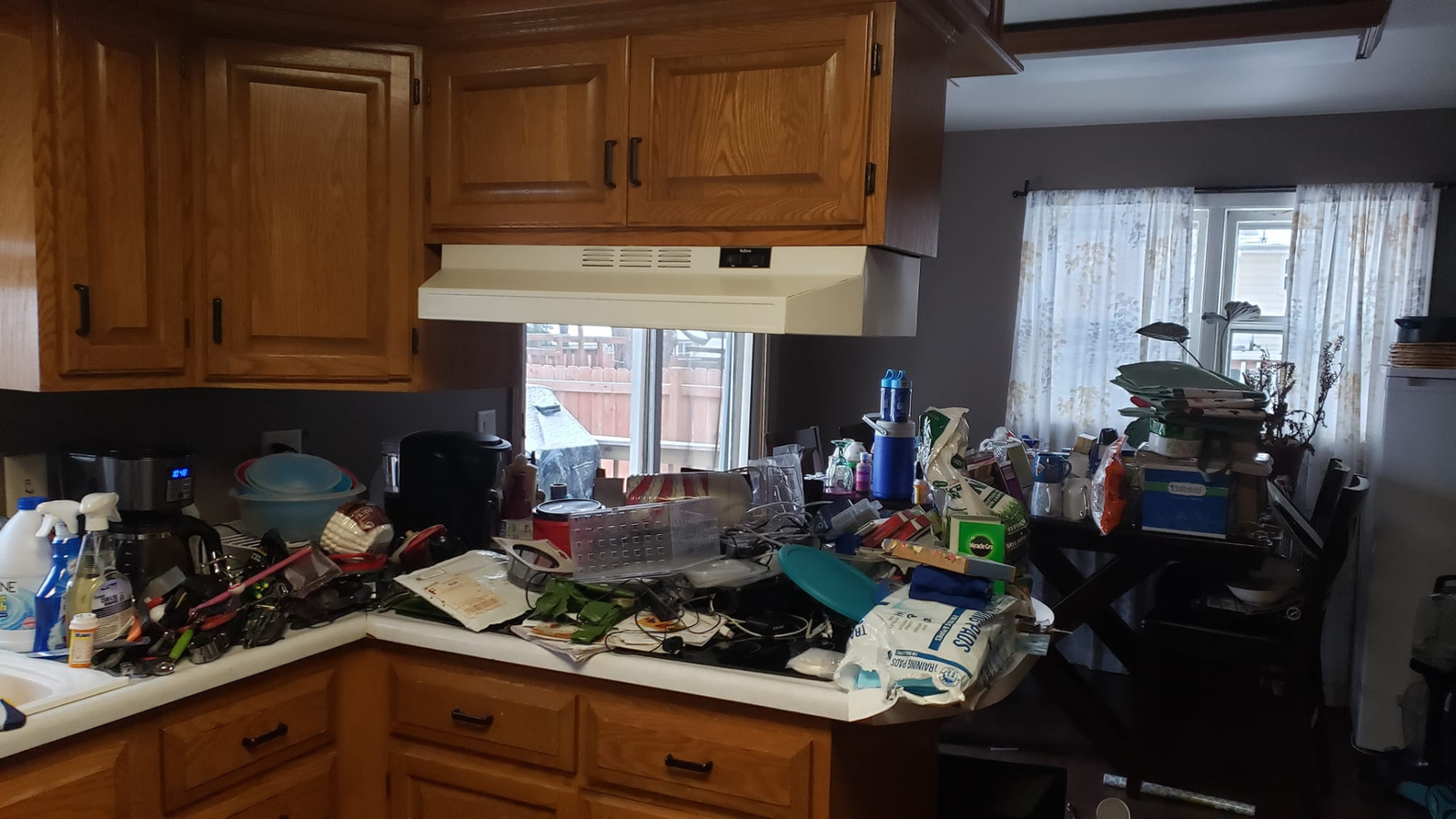
You open your kitchen cabinet to grab one thing—and five others tumble out. Lids are missing, containers are stacked like a puzzle, and the item you need is always at the back. It feels like a space problem, but even large kitchens suffer from this same annoyance. The real issue isn’t cabinet size. It’s a silent organization mistake almost everyone makes.
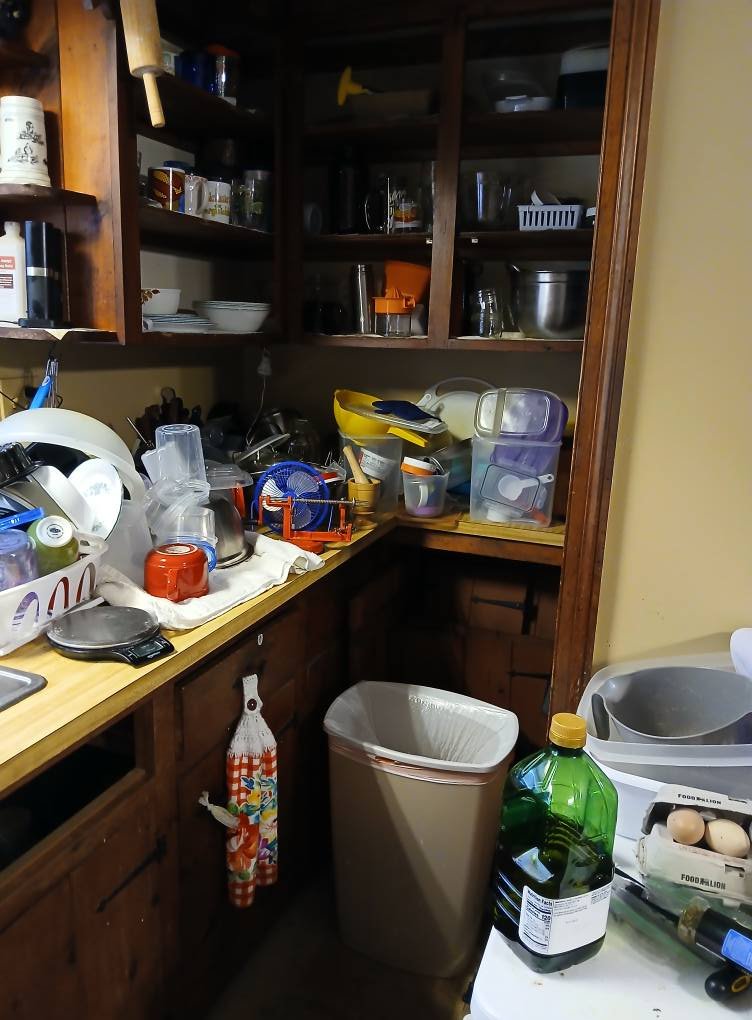
Most kitchen cabinets are deep, dark, and vertical. Yet we instinctively treat them like open shelves—stacking items one behind another and hoping memory will do the rest.
This creates three problems at once:
Over time, cabinets turn into clutter zones, even if you “organize” them regularly.
Many people solve this by adding pull-out cabinet shelves designed for deep kitchens, which turn fixed cabinets into slide-out access.
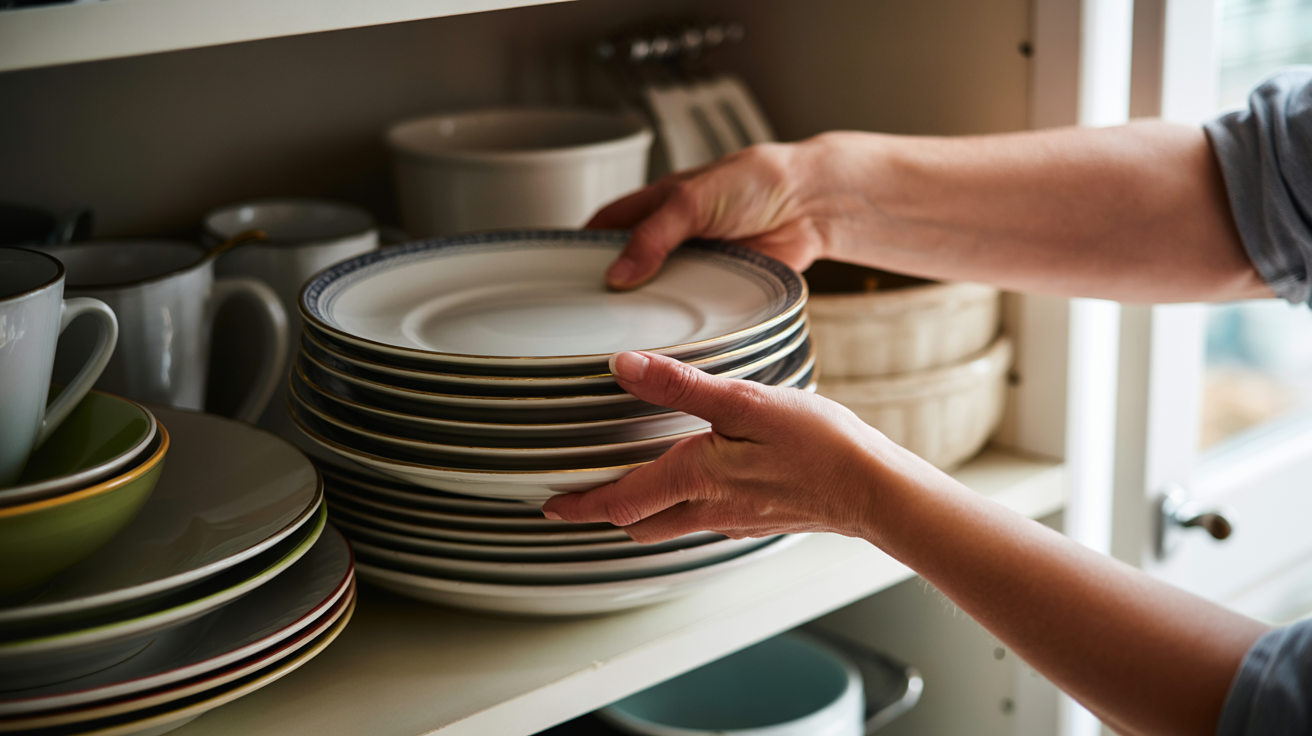
Cabinets are deceptive. When they’re empty, they look spacious. Once you load them, depth becomes the enemy.
Real-life example:
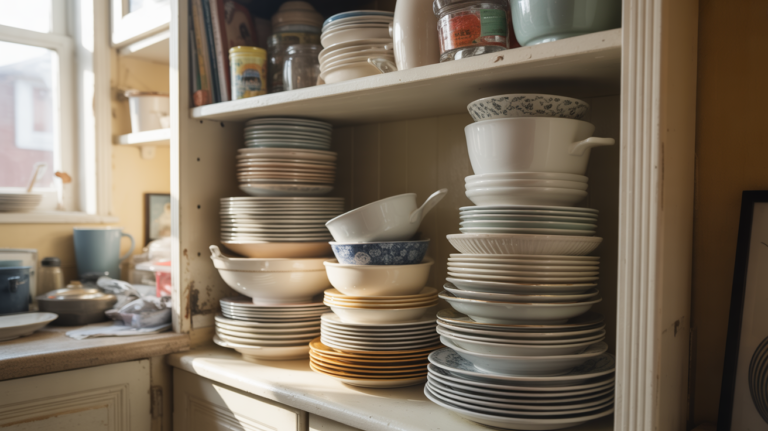
You stack plates, bowls, and serving dishes inside one cabinet. The most-used plates end up at the front—for a while. Then heavier or rarely used items slowly creep forward. Soon, everyday items are buried, and you’re lifting stacks daily just to eat lunch.
The problem isn’t too many dishes. It’s flat stacking in deep spaces without guided access.
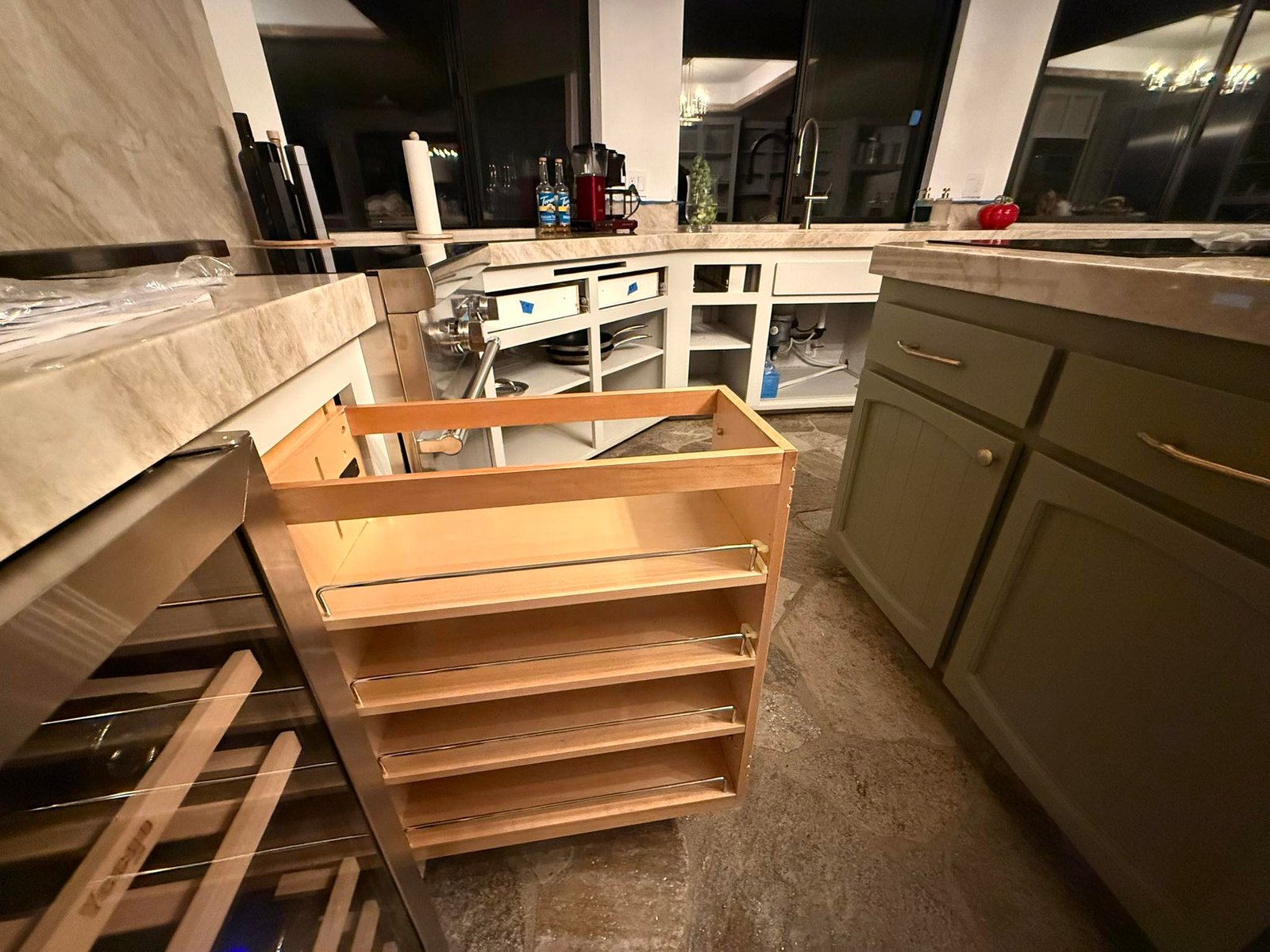
Well-organized cabinets work like drawers—even when they aren’t drawers.
The goal is to:
This is where cabinet-friendly organizers quietly change everything.
A simple pull-out organizer lets everything come forward instead of staying hidden at the back, which is why many homeowners switch to slide-out cabinet organizers for everyday items.
Instead of reorganizing endlessly, introduce structure that matches how cabinets behave.
Pull-out cabinet shelves
These turn deep cabinets into slide-out zones. Pots, appliances, or dry goods come forward instead of staying hidden at the back. No bending, no guessing.
Vertical dividers for plates and trays
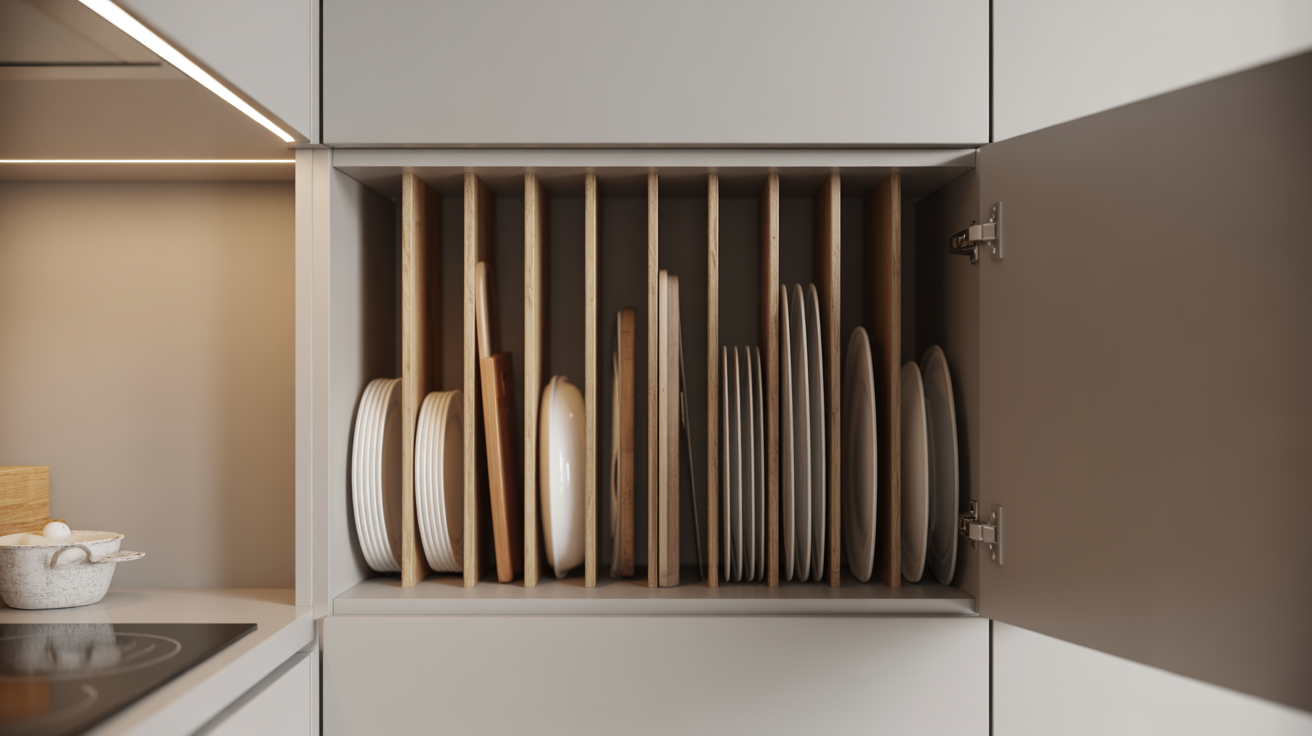
Storing items upright instead of stacked improves visibility and saves space. Baking trays, cutting boards, and large plates suddenly become easy to grab with one hand.
For plates and trays, storing items upright using adjustable vertical cabinet dividers keeps everything visible and easy to grab.
In cabinets with unused vertical space, stackable shelf risers help create layers without drilling or permanent changes.
Stackable shelf risers
These use vertical height properly. Instead of one tall stack, you get two visible layers—ideal for bowls, spice containers, or pantry jars.
Under-shelf baskets
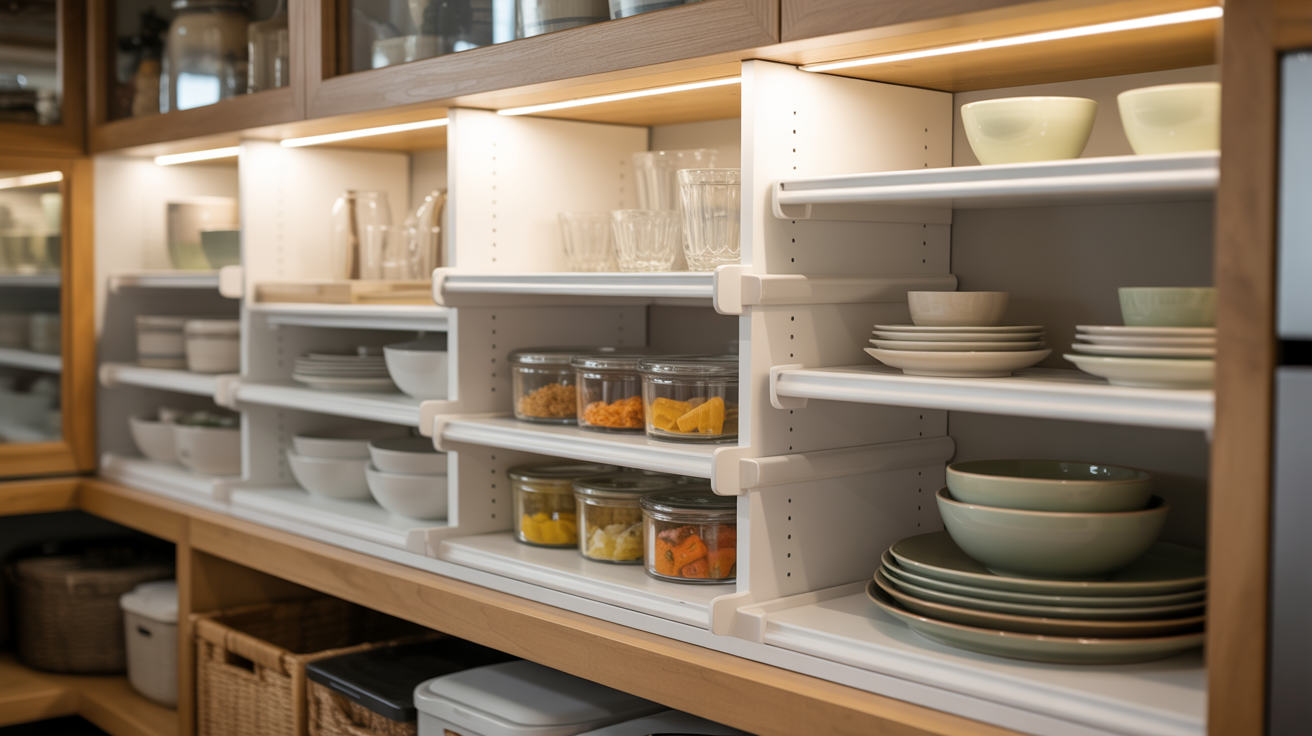
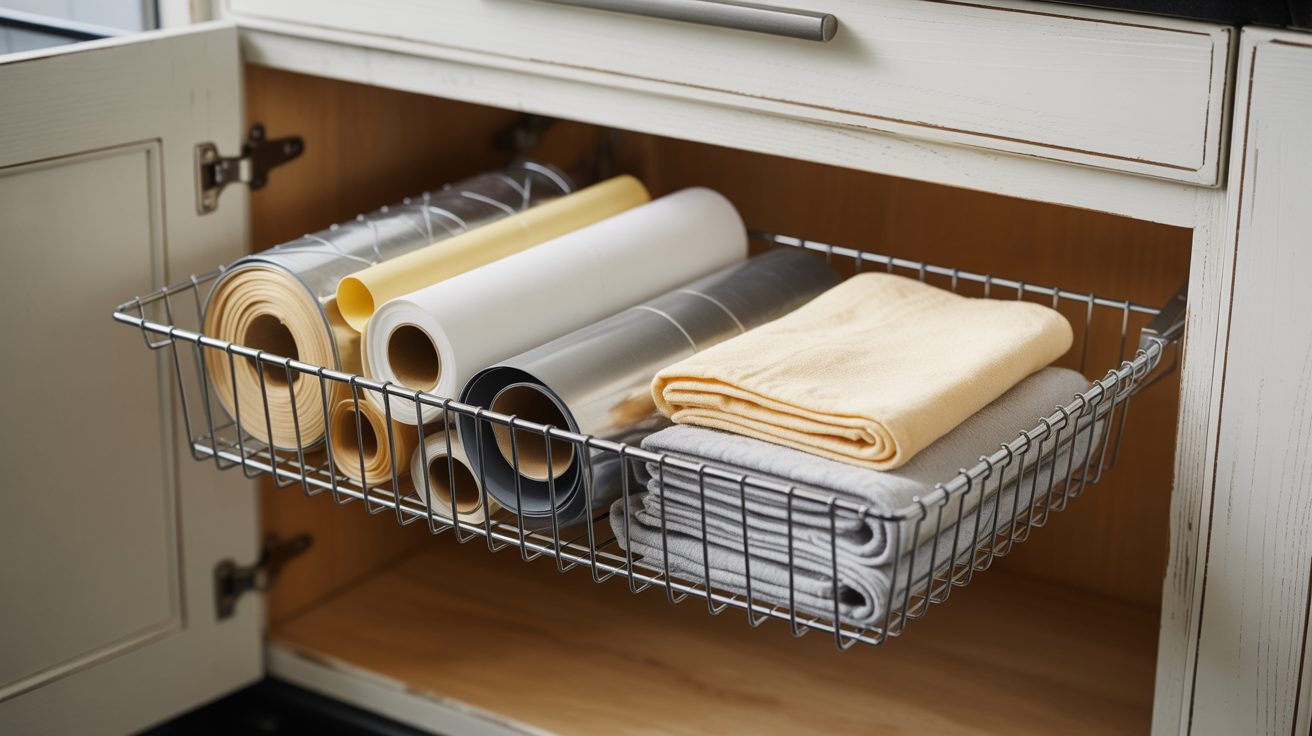
Often overlooked, the space beneath a shelf is wasted. These slide-in baskets add storage without drilling or permanent changes, perfect for wraps, towels, or light containers
Each of these tools works with cabinet depth, not against it.
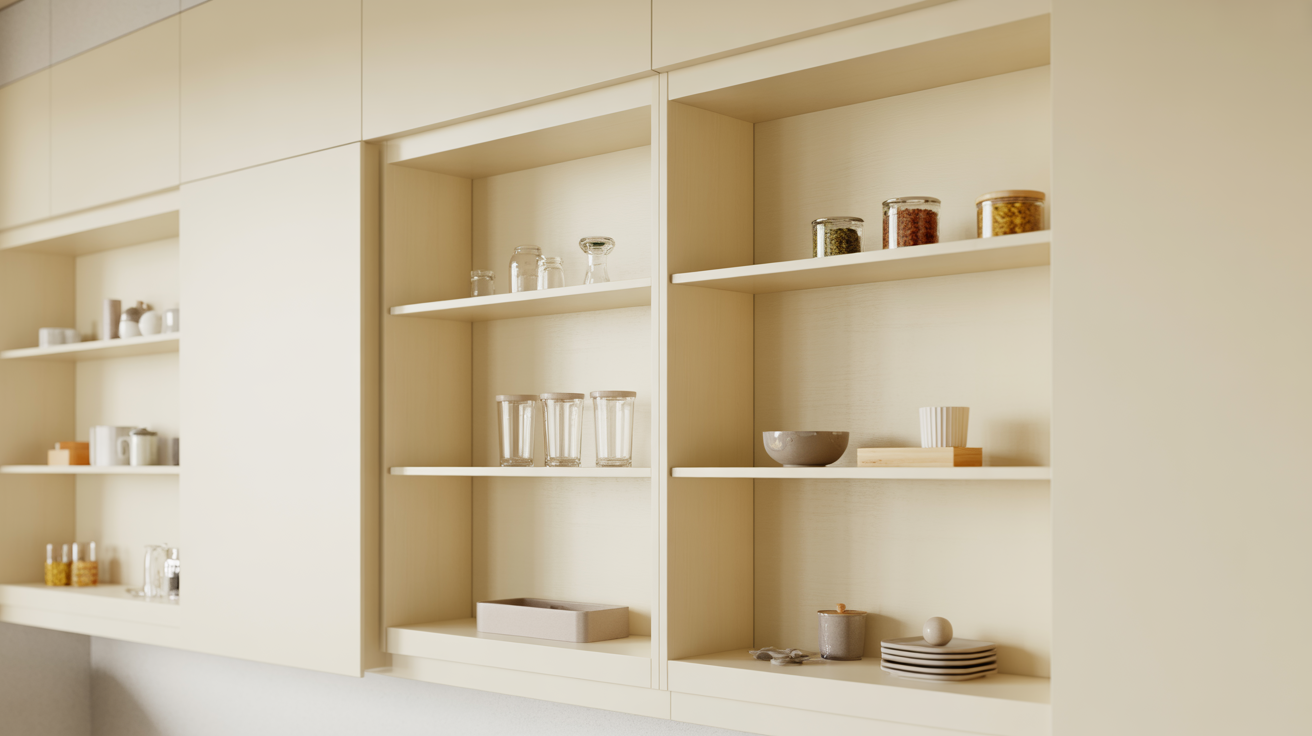
Another hidden issue with messy cabinets is hygiene. Items stored at the back collect dust, crumbs, or oil residue simply because they’re rarely touched.
When cabinets are organized by visibility and access:
That’s why many people add under-shelf cabinet baskets to separate wraps, towels, or frequently touched items.
This isn’t about making cabinets look pretty—it’s about making them usable every day.
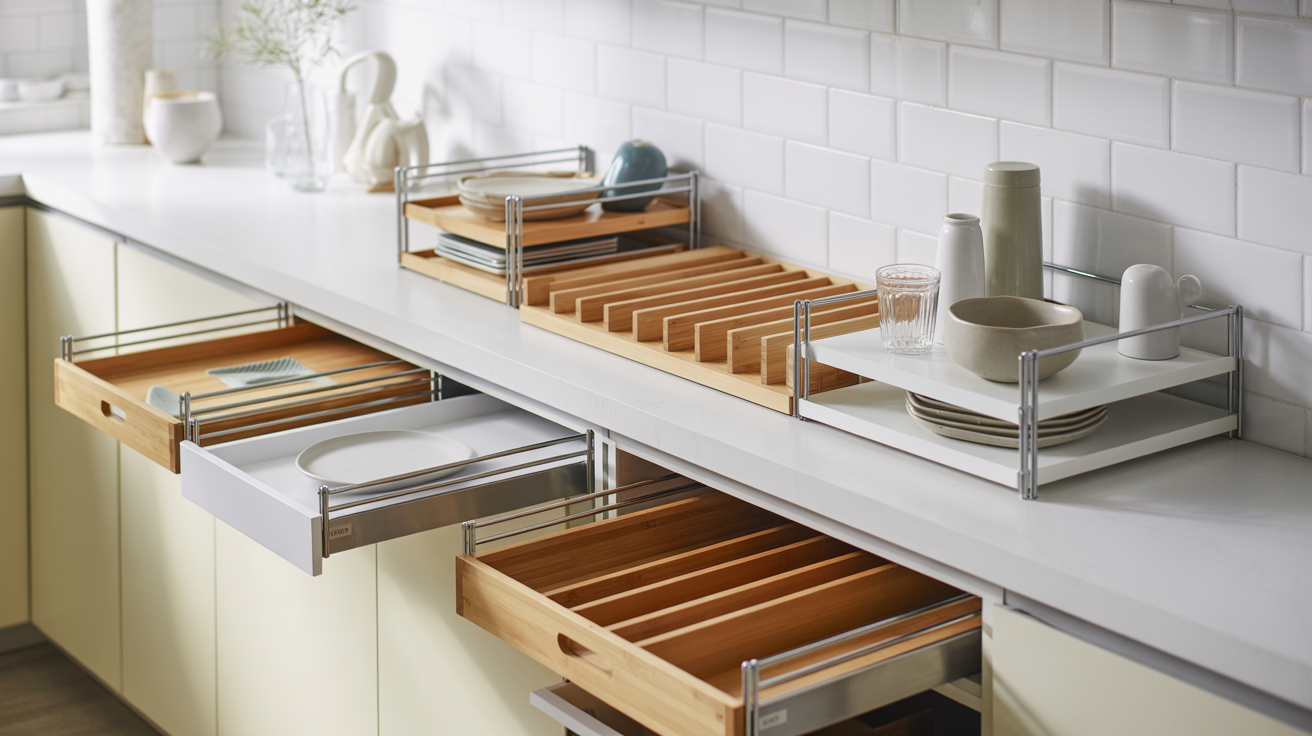
Once readers recognize the real problem, they start looking for specific solutions—not vague inspiration.
At this stage, it feels natural to explore:
These aren’t impulse buys. They’re logical upgrades to fix an everyday annoyance—which is why readers are more likely to click through and explore options on Amazon when the problem is clearly framed.
You don’t need to overhaul every cabinet at once. Start with the one that annoys you most—usually the pot cabinet or the plate cabinet.
Add one visibility-focused organizer. Use it for a week. The improvement is immediate and obvious, which naturally leads to fixing the next cabinet.
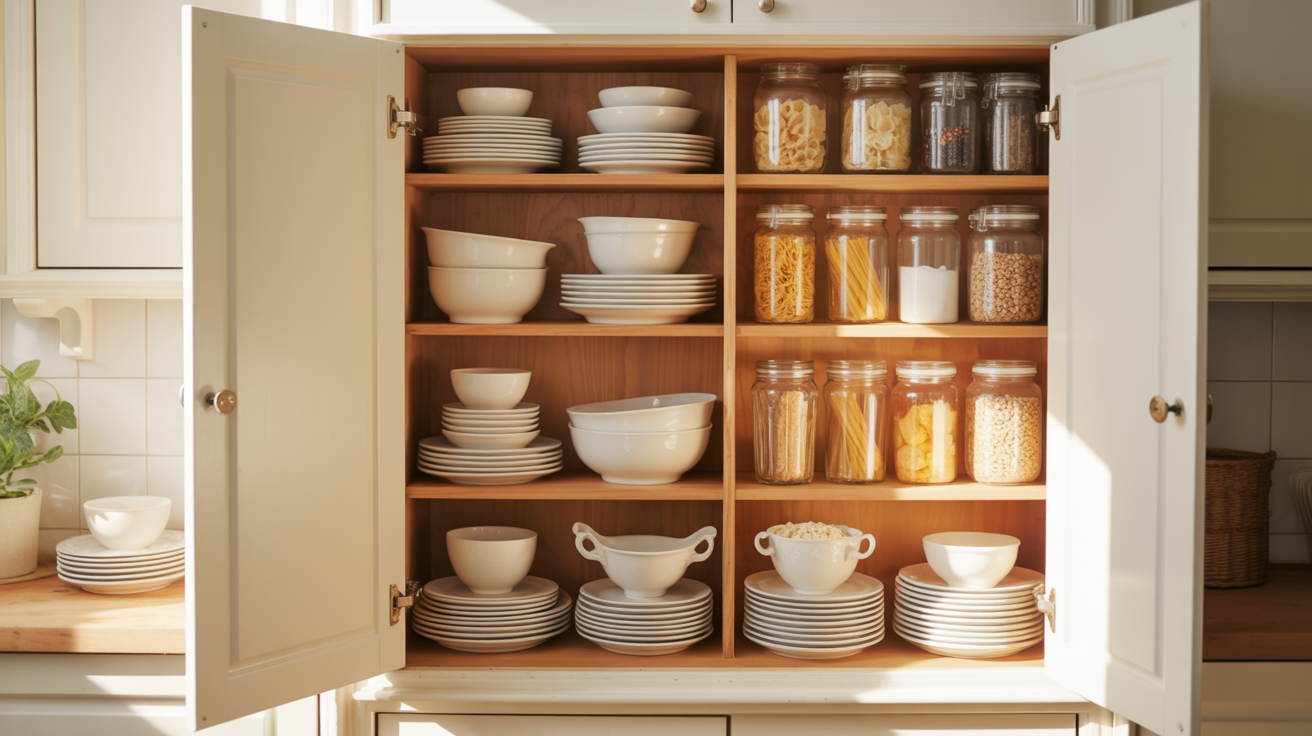
Most kitchen cabinet frustration comes from one mistake: using deep cabinets without guided access. When you switch from stacking to structured visibility, cabinets stop fighting you.
Starting with one cabinet is usually enough—especially with a simple cabinet organizer made for deep shelves—to see an immediate difference.
The right organizers don’t feel like storage products—they feel like relief. And once cabinets finally work the way you expect them to, staying organized becomes effortless instead of constant maintenance.