Physical Address
304 North Cardinal St.
Dorchester Center, MA 02124
Physical Address
304 North Cardinal St.
Dorchester Center, MA 02124

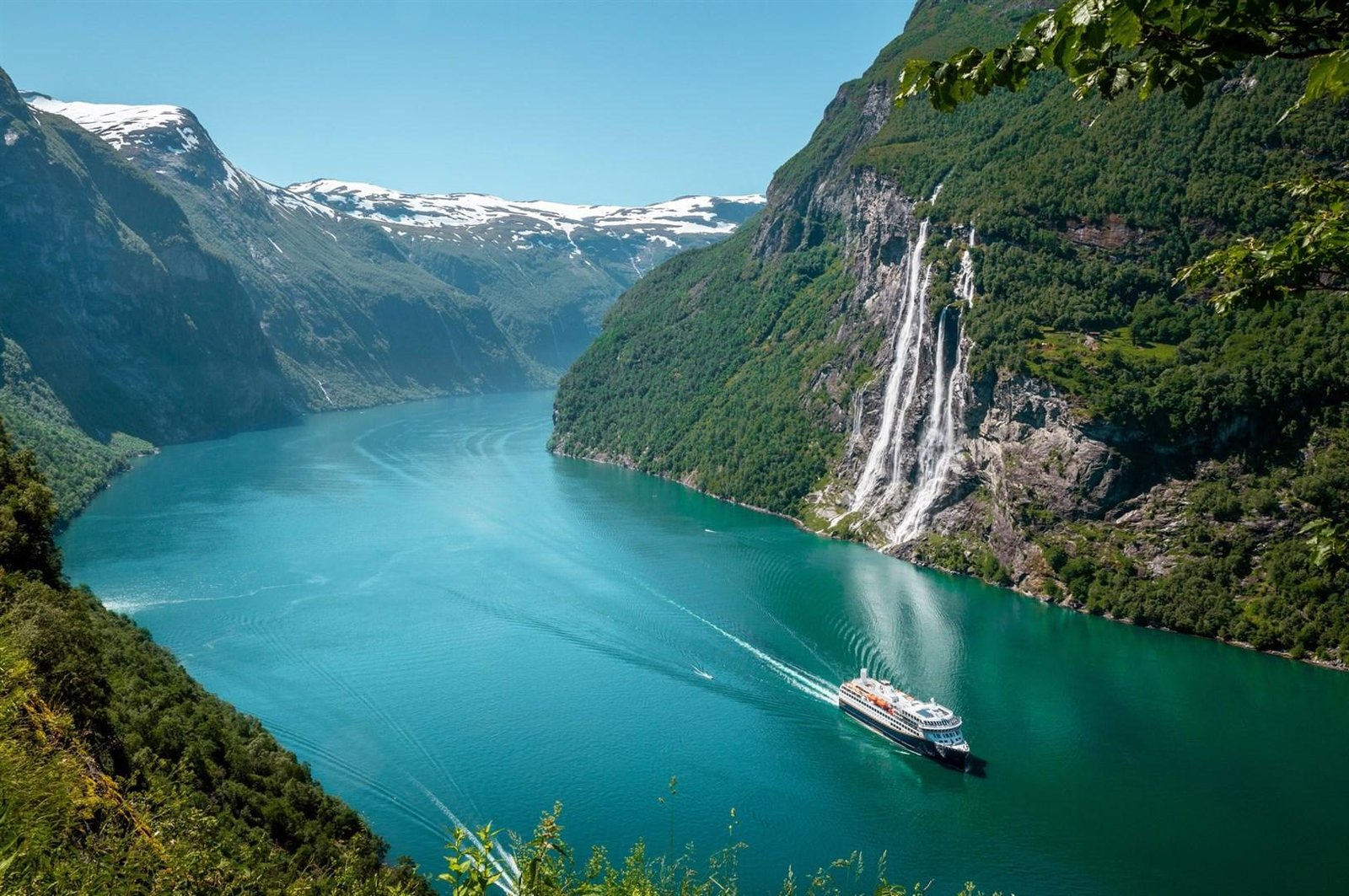
If you’re planning your very first trip to Norway, summer is the perfect season to visit. Between June and August, the country transforms into a paradise of emerald-green fjords, towering waterfalls, colorful wildflowers, and endless daylight. Whether you’re hiking mountain trails, cruising through UNESCO-listed fjords, exploring vibrant cities, or experiencing the magical Midnight Sun, summer offers the ideal conditions to discover Norway’s breathtaking landscapes.
Although Norway is known for its cool climate, summer brings pleasant temperatures, excellent road conditions, and easy access to many attractions that remain snow-covered during winter. This guide covers everything first-time visitors need to know—from weather and packing to the best places to visit, transportation, budgeting, and practical travel tips.
Summer is considered the best time for outdoor adventures and sightseeing.
Here are just a few reasons why travelers love visiting Norway during this season:
Summer also provides the easiest access to Norway’s national parks, mountain roads, and remote hiking trails.
Summer temperatures vary depending on where you’re traveling.
Cities like Oslo generally experience the warmest weather.
Average temperatures:
Bergen and the fjord region are cooler and wetter.
Expect:
Tromsø and the Lofoten Islands enjoy surprisingly mild summers.
Typical temperatures:
This is also where you’ll experience the famous Midnight Sun, with daylight lasting nearly 24 hours.
Booking transportation and hotels several months in advance is highly recommended.
Norwegian weather changes quickly—even during summer.
Bring:
Layering remains the best strategy, allowing you to adjust throughout the day as temperatures change.
Rather than trying to explore the entire country, first-time visitors should focus on one or two regions.
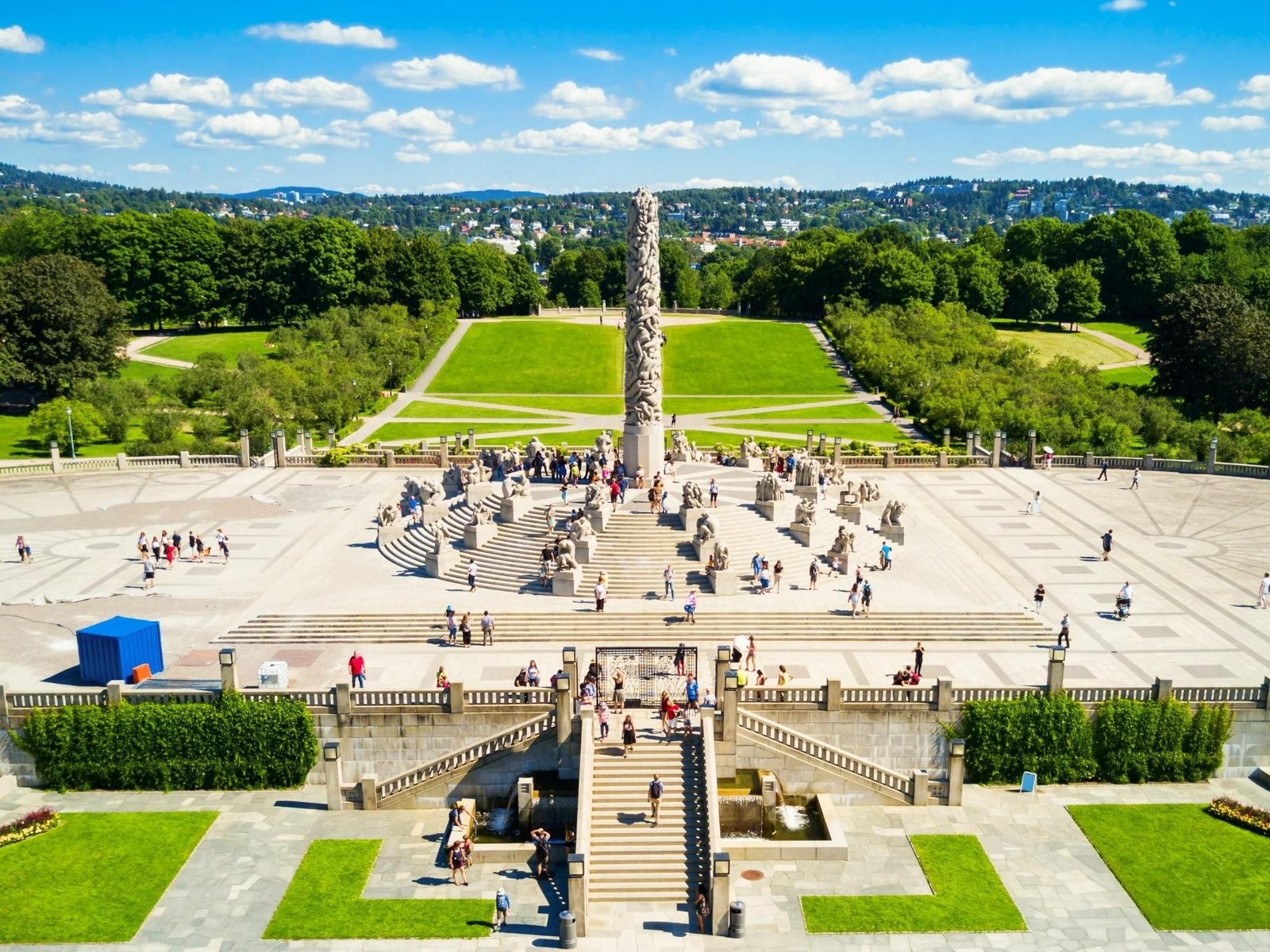
Norway’s capital is the perfect place to begin your journey.
Spend two or three days exploring its modern architecture, museums, waterfront, and parks.
Summer is also ideal for relaxing at waterfront cafés or swimming in the Oslofjord.
For many travelers, this is the highlight of a Norway trip.
Bergen’s colorful harbor serves as the gateway to some of the world’s most spectacular fjords.
Adventure lovers can also hike famous trails such as:
Recommended Stay: 4–6 days
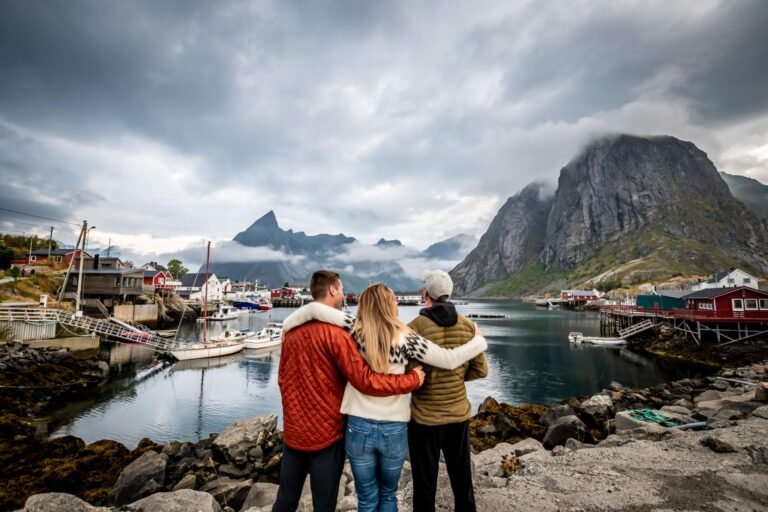
The Lofoten Islands offer some of Norway’s most iconic scenery.
Expect dramatic mountains, white-sand beaches, colorful fishing villages, and endless daylight.
Recommended Stay: 5–7 days
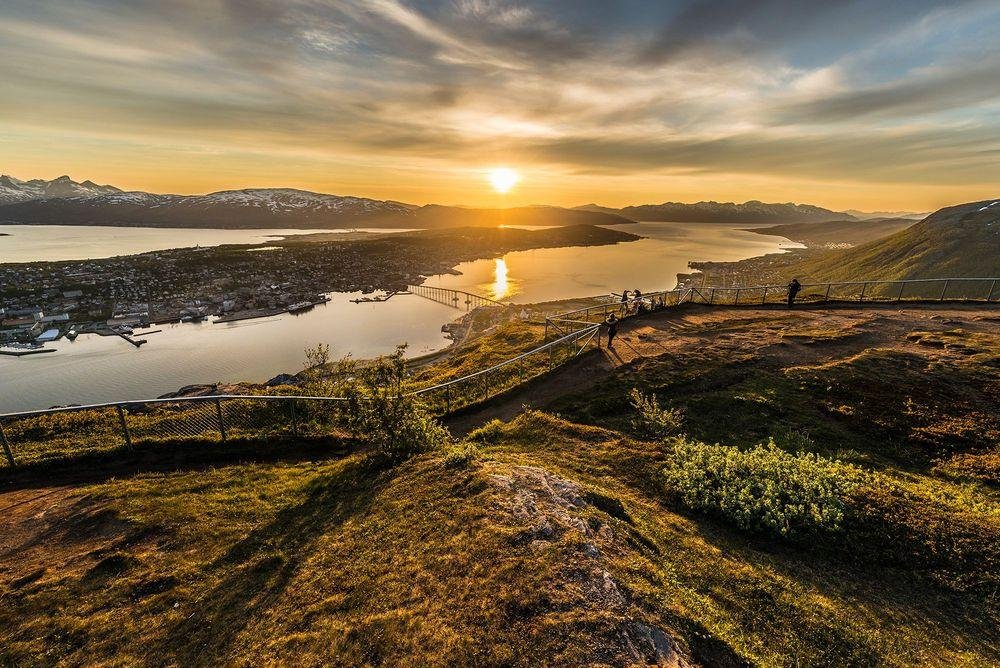
Although famous for winter, Tromsø is also fantastic during summer.
The Midnight Sun creates endless opportunities for outdoor adventures.
Late August visitors may even catch the first Northern Lights of the season.
Recommended Stay: 3–5 days
If you have extra time, consider visiting:
Each destination offers its own unique scenery and experiences.
Perfect for first-time visitors.
This itinerary provides an excellent introduction to Norway’s diverse landscapes.
Rent a car and explore:
Road trips allow you to stop whenever you discover breathtaking viewpoints.
Traveling around Norway is surprisingly easy.
Popular transportation options include:
If you’re traveling north, domestic flights can save significant travel time.
Norway is one of Europe’s more expensive destinations.
Approximately $150–300 USD per person
This usually covers:
Summer is a great time to enjoy Norway’s fresh local cuisine.
Popular dishes include:
Norwegian tap water is safe, delicious, and free.
Some of the best experiences include:
The long daylight hours allow you to fit multiple activities into a single day.
Most importantly, don’t try to see everything in one trip. Norway is a country best enjoyed at a slower pace.
Summer is an unforgettable time to experience Norway for the first time. With its mild temperatures, nearly endless daylight, spectacular fjords, and world-class hiking, it’s the season when the country’s natural beauty truly shines. Whether you’re wandering through Bergen’s colorful streets, cruising beneath towering waterfalls, hiking iconic mountain trails, or watching the Midnight Sun over the Lofoten Islands, every day offers a new adventure.
Focus on a few regions rather than rushing across the country, embrace Norway’s love of the outdoors (friluftsliv), and leave room in your itinerary to simply pause and enjoy the scenery. Those unplanned moments often become the most memorable part of the journey.