Physical Address
304 North Cardinal St.
Dorchester Center, MA 02124
Physical Address
304 North Cardinal St.
Dorchester Center, MA 02124

Norway’s weather is famously unpredictable. One minute you could be enjoying sunshine by a peaceful fjord, and the next you might find yourself caught in wind, rain, or even snow—sometimes all in the same day. That’s why Norwegians often say, “There is no bad weather, only bad clothing.”
Whether you’re exploring the colorful streets of Bergen, hiking through the mountains, cruising the fjords, or chasing the Northern Lights in Tromsø, packing the right gear will make your trip far more comfortable.
The secret to packing for Norway is simple: dress in layers, choose waterproof clothing, and prioritize comfort over fashion. This guide covers exactly what to pack for every season, along with practical tips to help you travel smarter in 2026.
Norway stretches more than 1,700 kilometers from south to north, meaning the weather varies dramatically depending on where you’re traveling.
Because conditions can change quickly, layering is essential throughout the year.
No matter when you visit, some travel essentials should always be in your suitcase.
Keep your travel documents together in a waterproof folder or travel wallet.
Bring:
Although Norway is almost entirely cashless, carrying a little cash can still be useful in remote areas.
Norway is very technology-friendly, so you’ll want your devices ready.
Pack:
Norway uses Type C and Type F plugs with 230V electricity.
Download these before leaving home.
Offline maps are especially helpful in remote mountain regions where mobile coverage may be limited.
Pack a small health kit containing:
Norwegian tap water is among the cleanest in the world, so carrying a reusable bottle helps save money and reduce plastic waste.
Instead of relying on one heavy jacket, Norwegian travelers dress in three layers.
This layer sits against your skin.
Choose:
Avoid cotton because it absorbs moisture and dries slowly.
The middle layer provides insulation.
Popular choices include:
Your final layer should protect you from the elements.
Bring:
A high-quality waterproof jacket is one of the best investments you can make for a Norway trip.
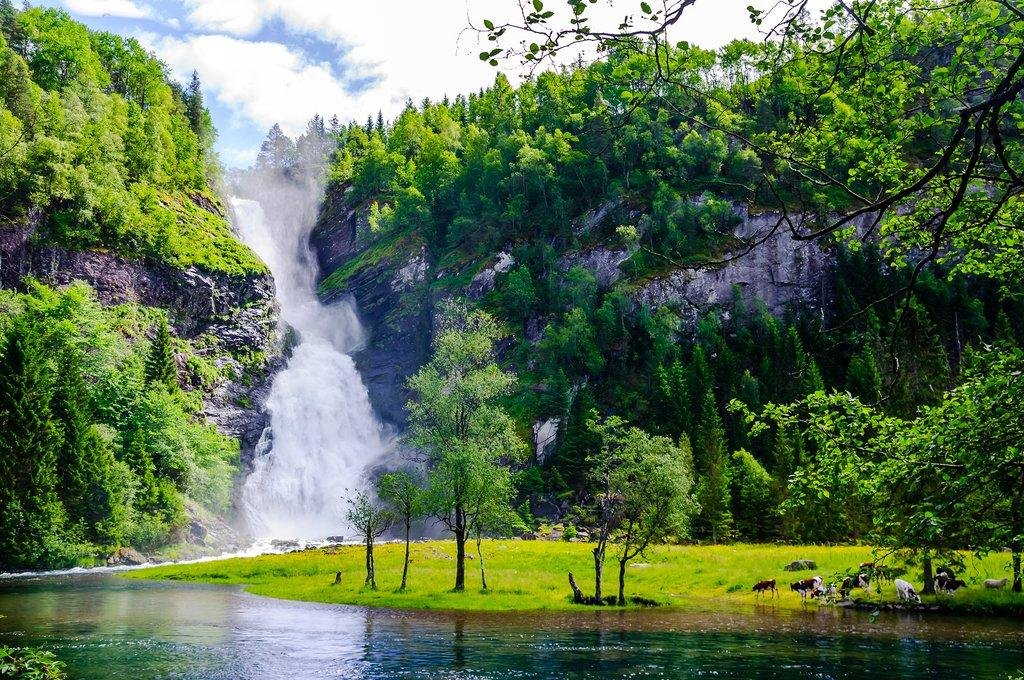
Spring is one of Norway’s most unpredictable seasons.
Temperatures generally range from 0°C to 10°C (32°F–50°F), although northern regions remain much colder.
Snow can still cover mountain trails while flowers bloom in the valleys.
Pack:
Bring:
Spring is perfect for travelers looking to avoid peak-season crowds while enjoying waterfalls at their most powerful after the winter snowmelt.
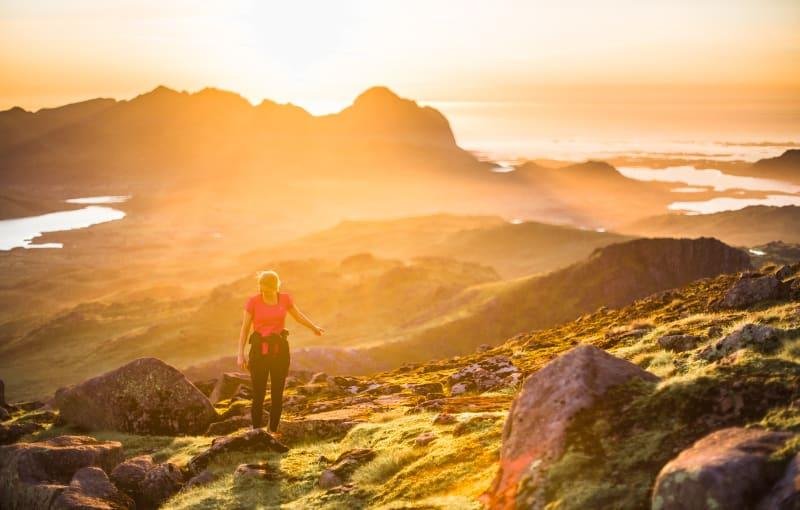
Summer is Norway’s busiest travel season, bringing long daylight hours and the magical Midnight Sun above the Arctic Circle.
Average temperatures range from 13°C to 18°C (55°F–65°F), although southern regions can occasionally reach 25–30°C (77–86°F).
Even during summer, evenings can feel cool—especially near fjords and mountains.
Bring:
Pack:
Don’t forget:
A sleep mask is especially useful if you’re visiting Tromsø, Lofoten, or North Cape during midsummer when daylight lasts almost 24 hours.
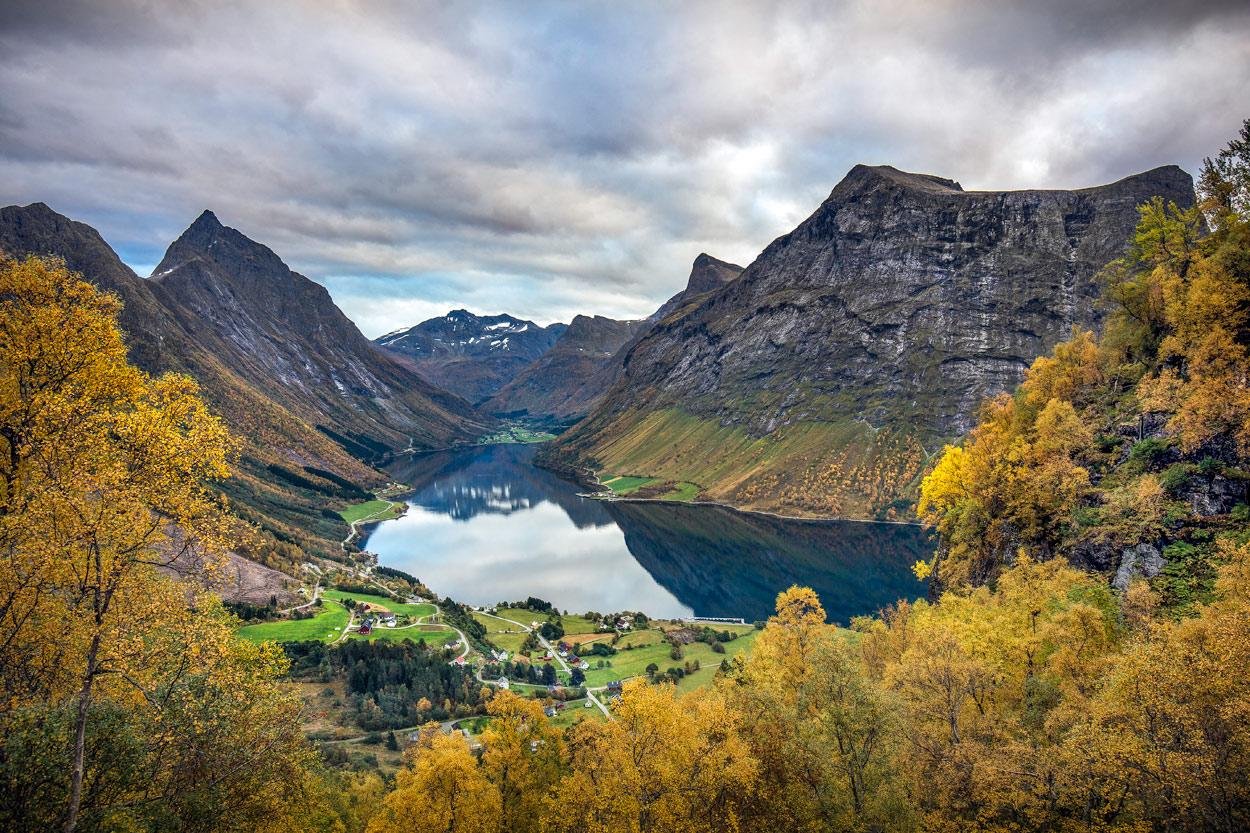
Autumn transforms Norway into a landscape of brilliant red, orange, and golden forests.
Temperatures typically range from 0°C to 15°C (32°F–59°F).
Rain becomes more frequent, and mountain areas may receive early snowfall.
Bring:
Pack:
Autumn is one of the best seasons for hiking thanks to cooler temperatures and fewer tourists.
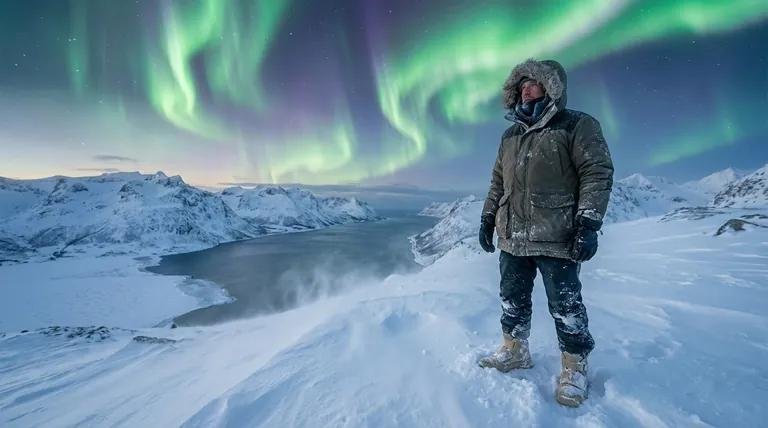
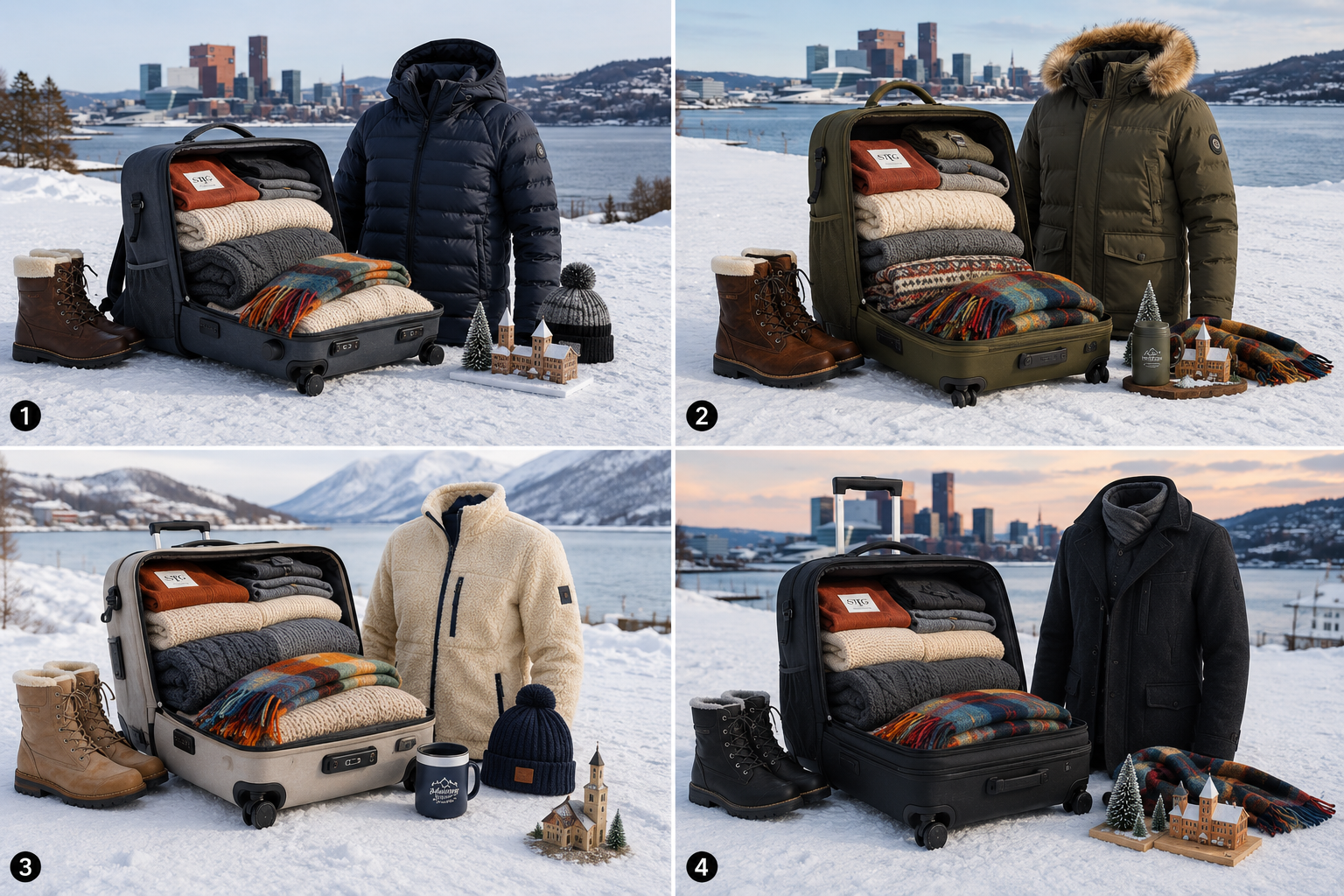
Winter is the perfect season for skiing, Arctic adventures, and Northern Lights hunting.
Temperatures often range from -5°C to 5°C (23°F–41°F), although inland and northern regions can become much colder.
Pack:
Bring:
You’ll need:
Choose boots that are:
Adding removable ice grips can improve traction on icy streets and trails.
Bring:
Pack:
Your itinerary should influence your packing list.
Bring:
Pack:
Even summer cruises can feel chilly because of the wind.
Bring:
Cold temperatures drain batteries much faster than normal.
If you’re spending time in Oslo or Bergen, include:
Different parts of Norway have different weather patterns.
A few simple strategies can make traveling easier.
If you forget something, outdoor retailers like XXL and Helly Hansen offer excellent-quality gear throughout Norway.
Norway places a strong emphasis on protecting nature.
Pack reusable items whenever possible, including:
Choosing durable, eco-friendly gear helps reduce waste and supports responsible travel.
Packing for Norway is all about being prepared for changing conditions rather than packing a large suitcase. With a smart layering system, waterproof clothing, sturdy footwear, and a few practical accessories, you’ll be ready for everything from sunny fjord cruises and scenic mountain hikes to snowy Arctic adventures and Northern Lights tours.
Whether you’re visiting in spring, summer, autumn, or winter, the right gear will help you stay comfortable and fully enjoy Norway’s incredible landscapes. Pack wisely, embrace the outdoors, and you’ll be ready to experience the country’s famous friluftsliv—the Norwegian love of nature and outdoor living.