Physical Address
304 North Cardinal St.
Dorchester Center, MA 02124
Physical Address
304 North Cardinal St.
Dorchester Center, MA 02124

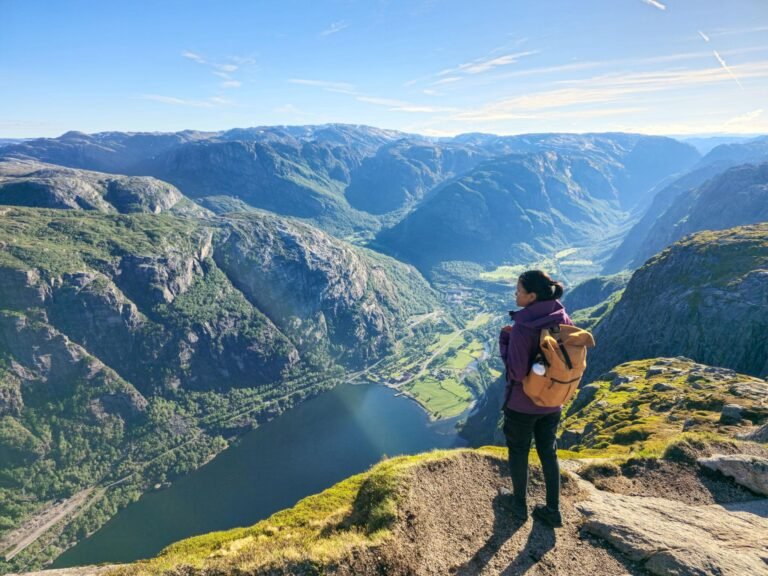
Norway is one of Europe’s most breathtaking destinations, famous for its dramatic fjords, towering mountains, charming coastal towns, and unforgettable natural wonders. Whether you’re planning to watch the Northern Lights dance across the Arctic sky, hike to iconic viewpoints, cruise through UNESCO-listed fjords, or experience the Midnight Sun, Norway offers adventures in every season.
This Norway travel guide covers everything you need to know before your trip, including the best time to visit, visa requirements, transportation, top destinations, travel costs, local culture, and practical tips for 2026.
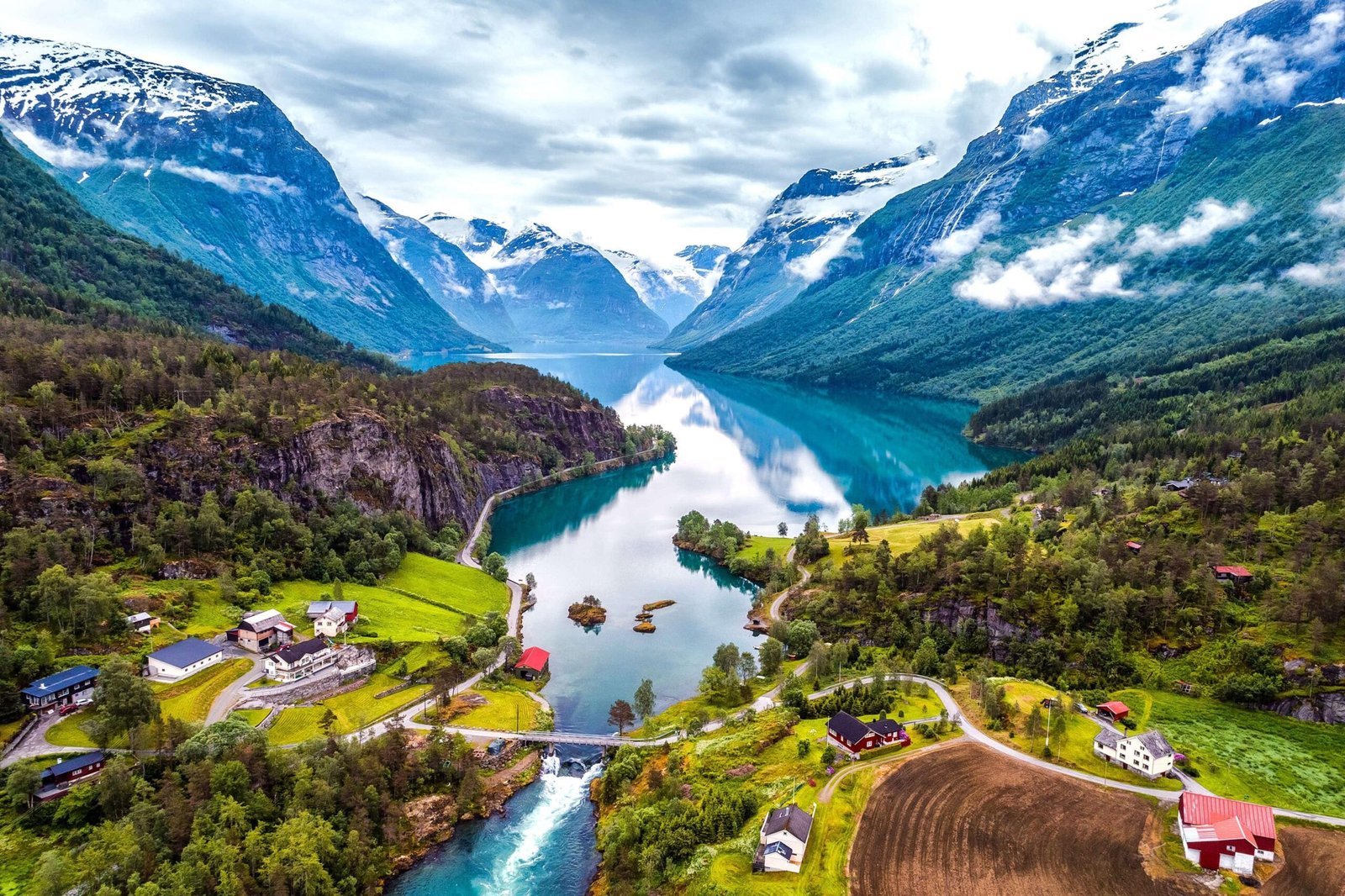
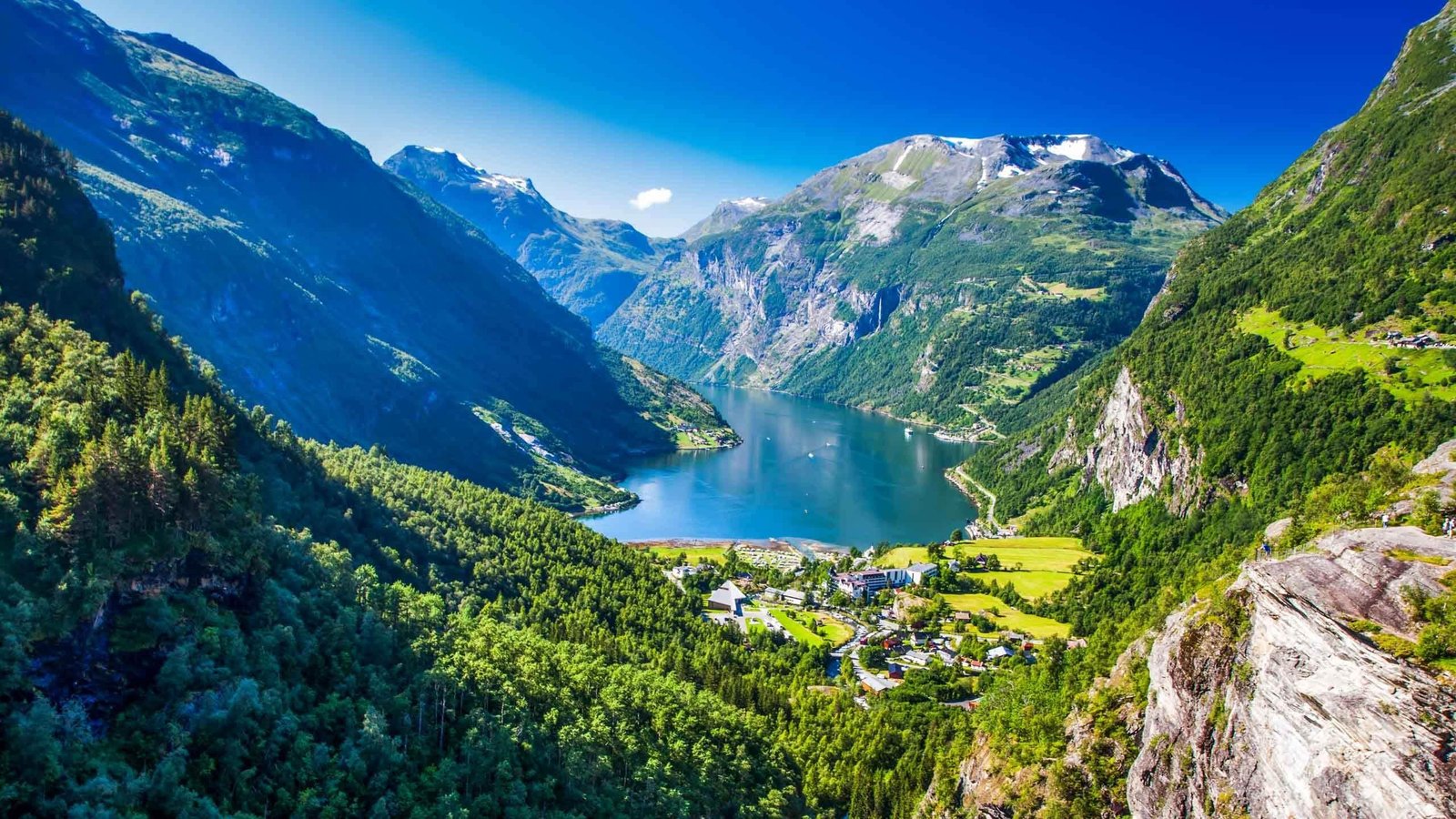
Norway is a country where nature takes center stage. From the world-famous Geirangerfjord to the colorful streets of Bergen and the Arctic landscapes of Tromsø, every region has something unique to offer.
Visitors come to Norway for:
Whether you’re traveling for outdoor adventures, photography, or a relaxing escape, Norway never disappoints.
The best time to visit Norway depends entirely on what you want to experience.
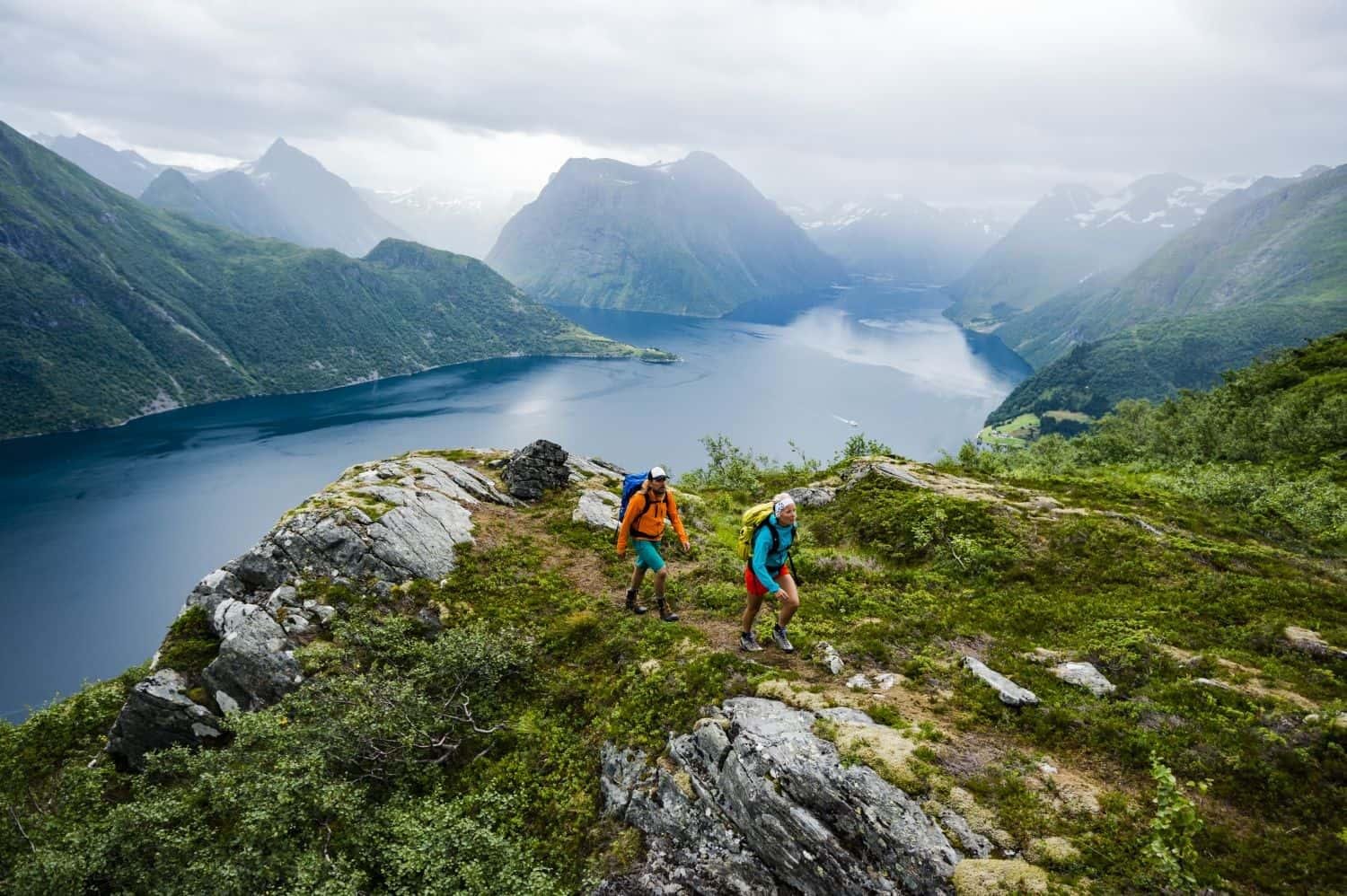
Summer is the most popular season thanks to long daylight hours and pleasant temperatures.
Perfect for:
Expect temperatures between 15°C and 25°C, although weather can change quickly.
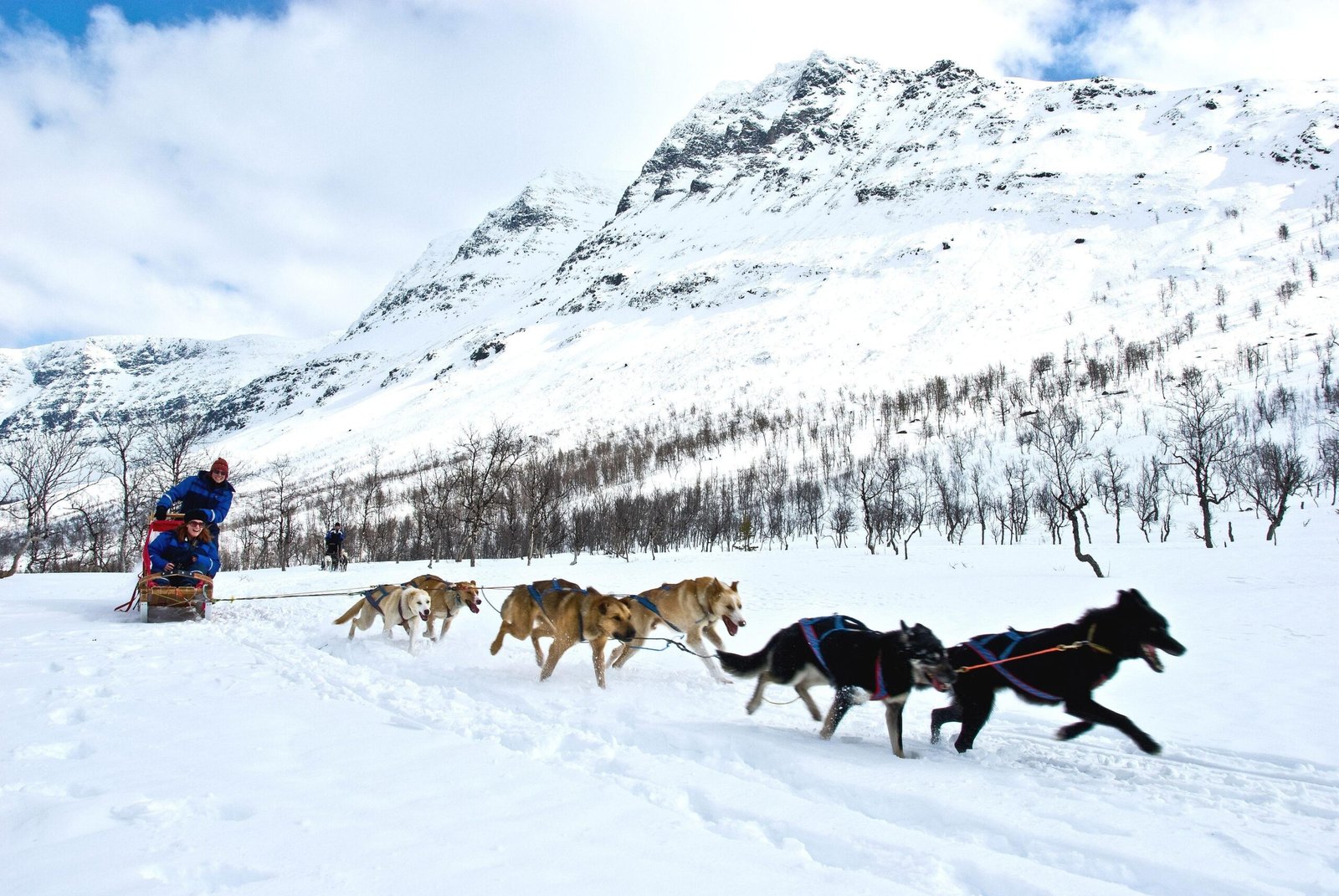
Winter transforms Norway into a snowy wonderland.
Best for:
Tromsø, Alta, and the Lofoten Islands are among the best places to experience winter adventures.
Many travelers consider these months the hidden gems.
Advantages include:
Norway is part of the Schengen Area.
Many visitors from countries including:
can enter Norway visa-free for up to 90 days within any 180-day period.
You’ll generally need:
Starting in late 2026, travelers from visa-exempt countries will need an approved ETIAS travel authorization before entering Norway and other Schengen countries.
There are currently no COVID-19 travel restrictions.
Always check the latest entry rules before departure.
Norway is well connected by international flights.
Major airports include:
Direct flights are available from many European cities and several international hubs.
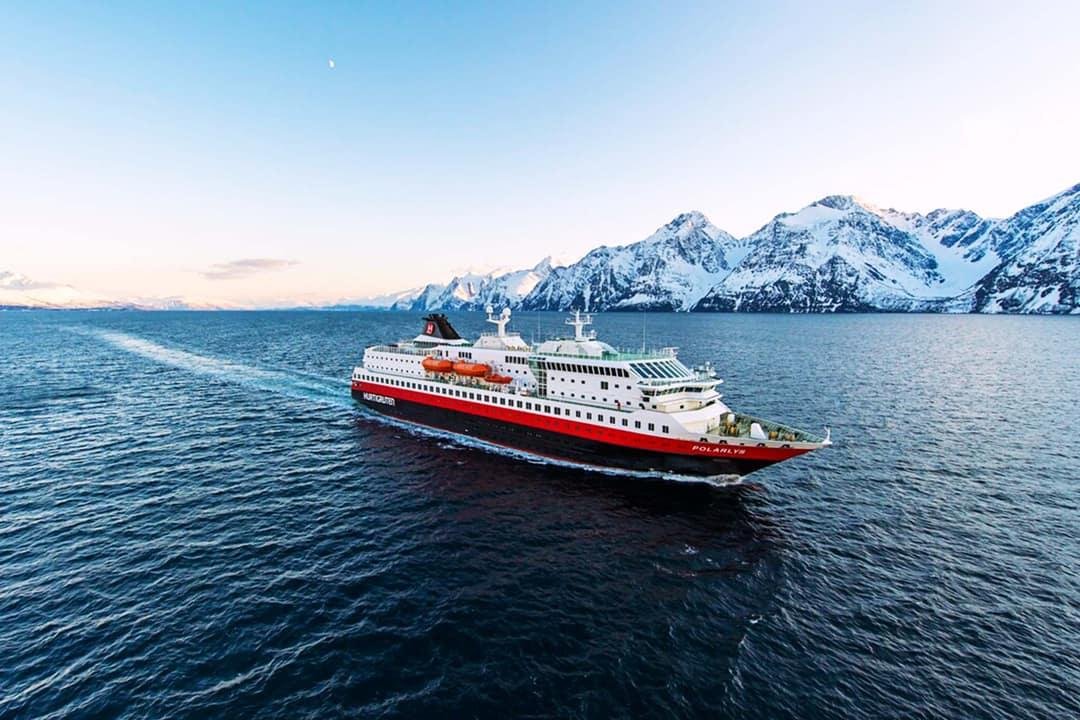
One of the best parts of traveling in Norway is the journey itself.
Norway’s railway network is famous worldwide.
Top routes include:
The Oslo-Bergen route is often ranked among the world’s most beautiful train journeys.
Ferries connect coastal towns and many fjord destinations.
The famous Hurtigruten Coastal Express sails between Bergen and Kirkenes, offering one of Norway’s most memorable travel experiences.
Modern bus networks reach even remote villages.
The Entur app makes planning routes simple.
Driving offers complete freedom to explore:
Keep in mind:
Norway is a long country.
Flying between cities like Bergen and Tromsø can save considerable travel time.
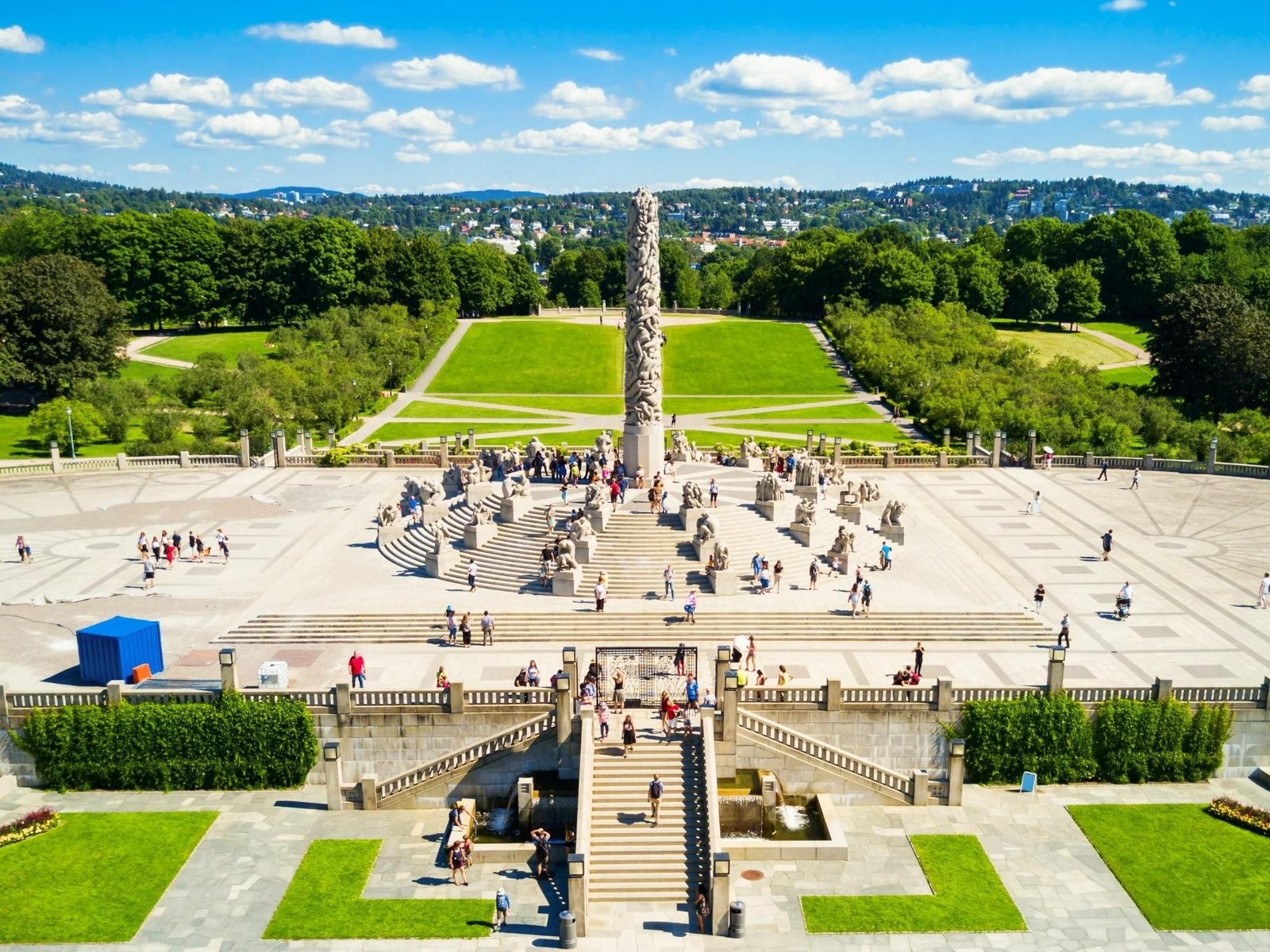
Norway’s capital combines modern architecture with green spaces and cultural attractions.
Top highlights include:
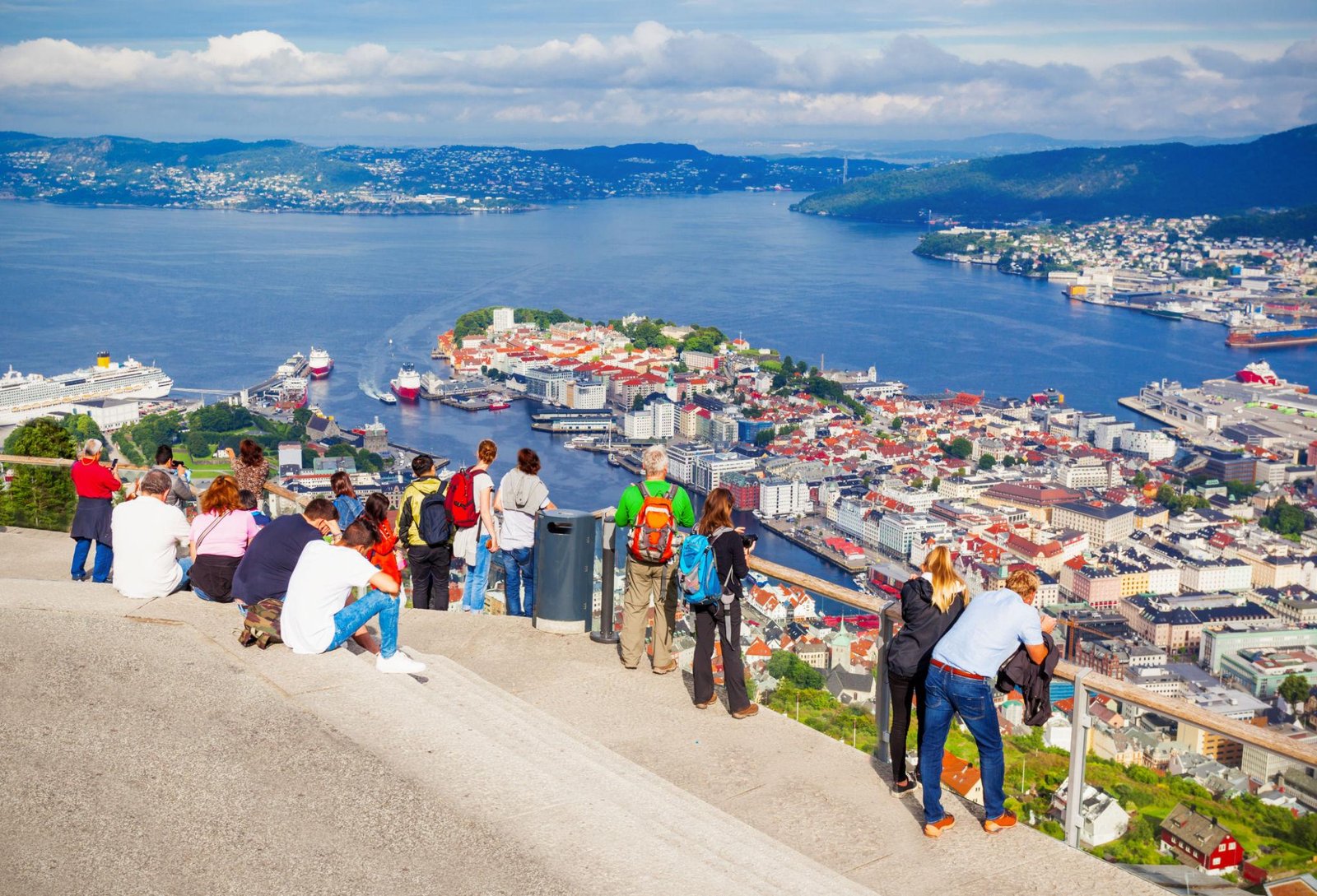
Often called the gateway to the fjords, Bergen is one of Norway’s most picturesque cities.
Don’t miss:
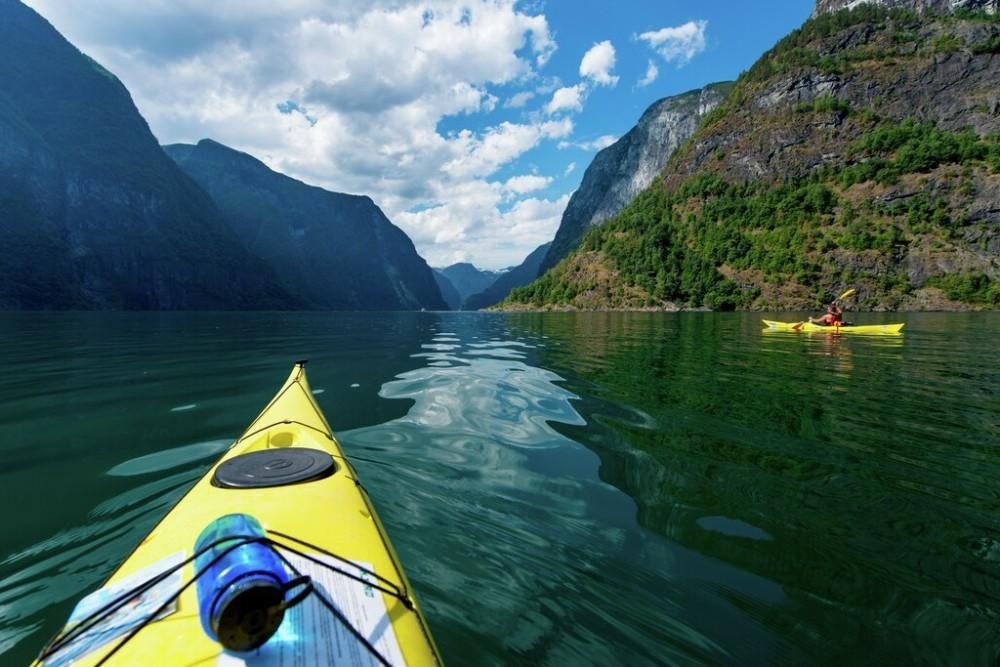
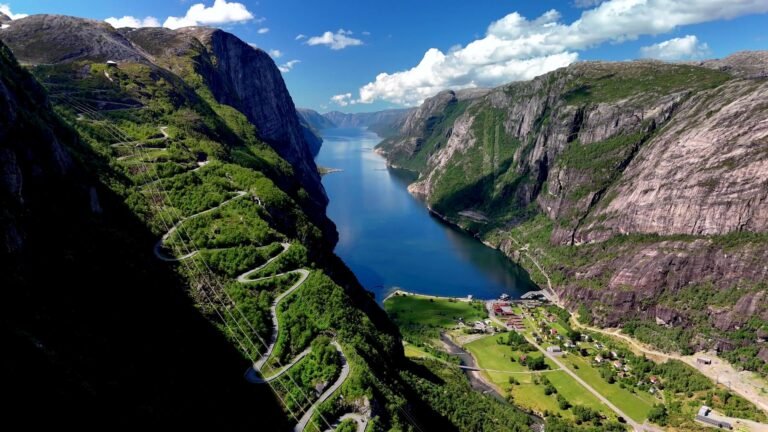
No Norway trip is complete without visiting its world-famous fjords.
Must-see fjords include:
Popular activities include:
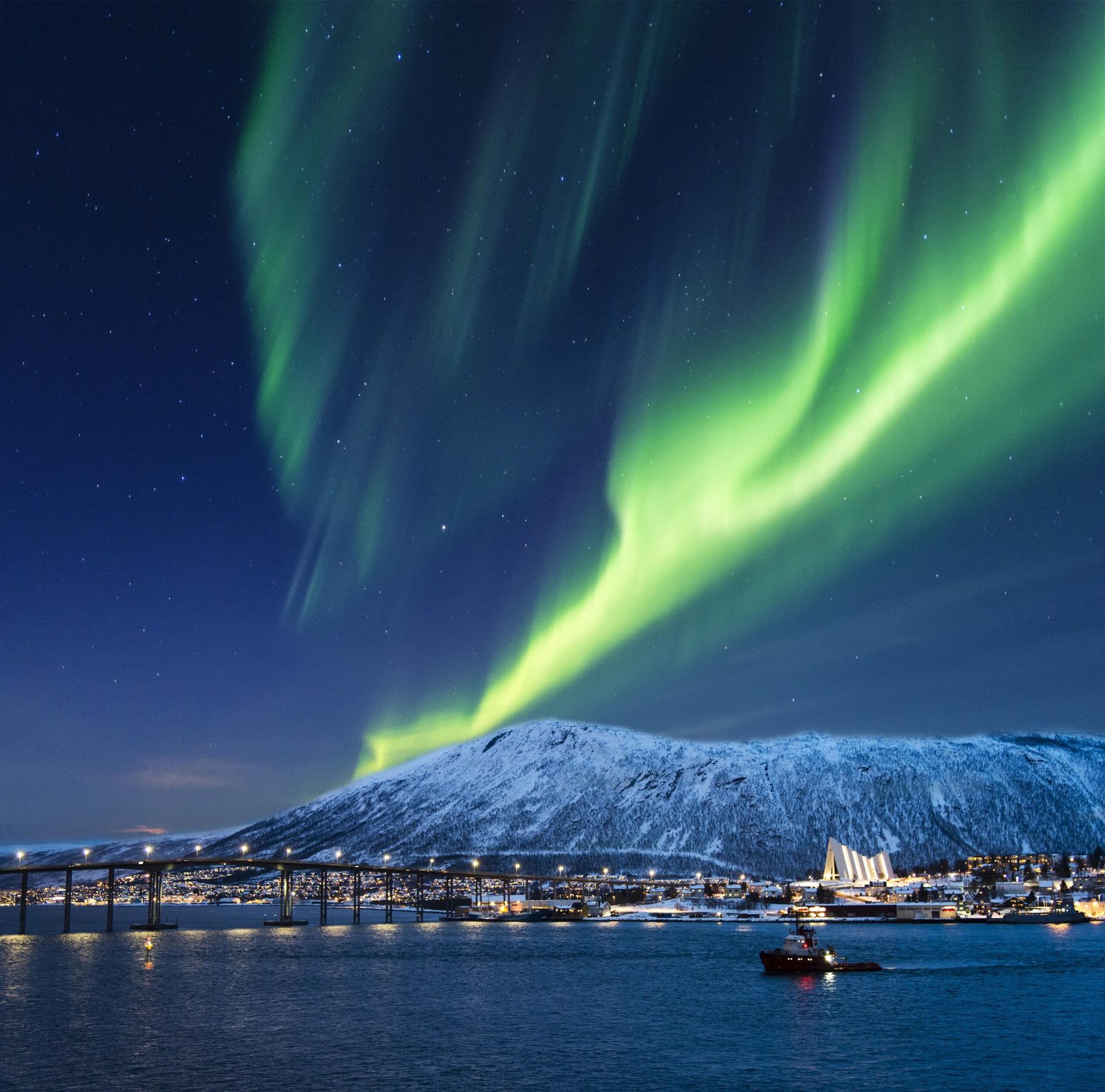
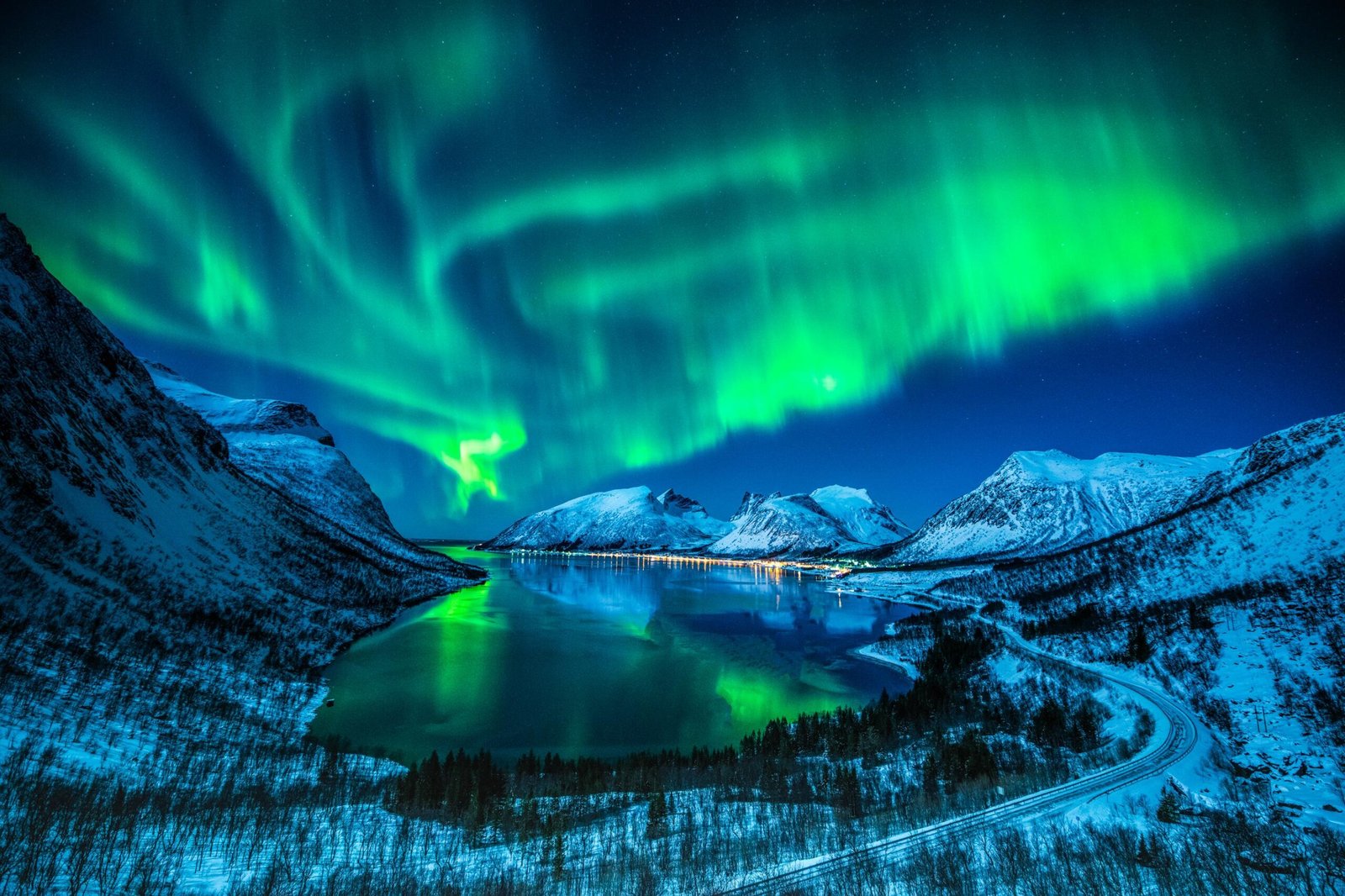
Located above the Arctic Circle, Tromsø is one of the world’s best destinations for the Northern Lights.
Activities include:
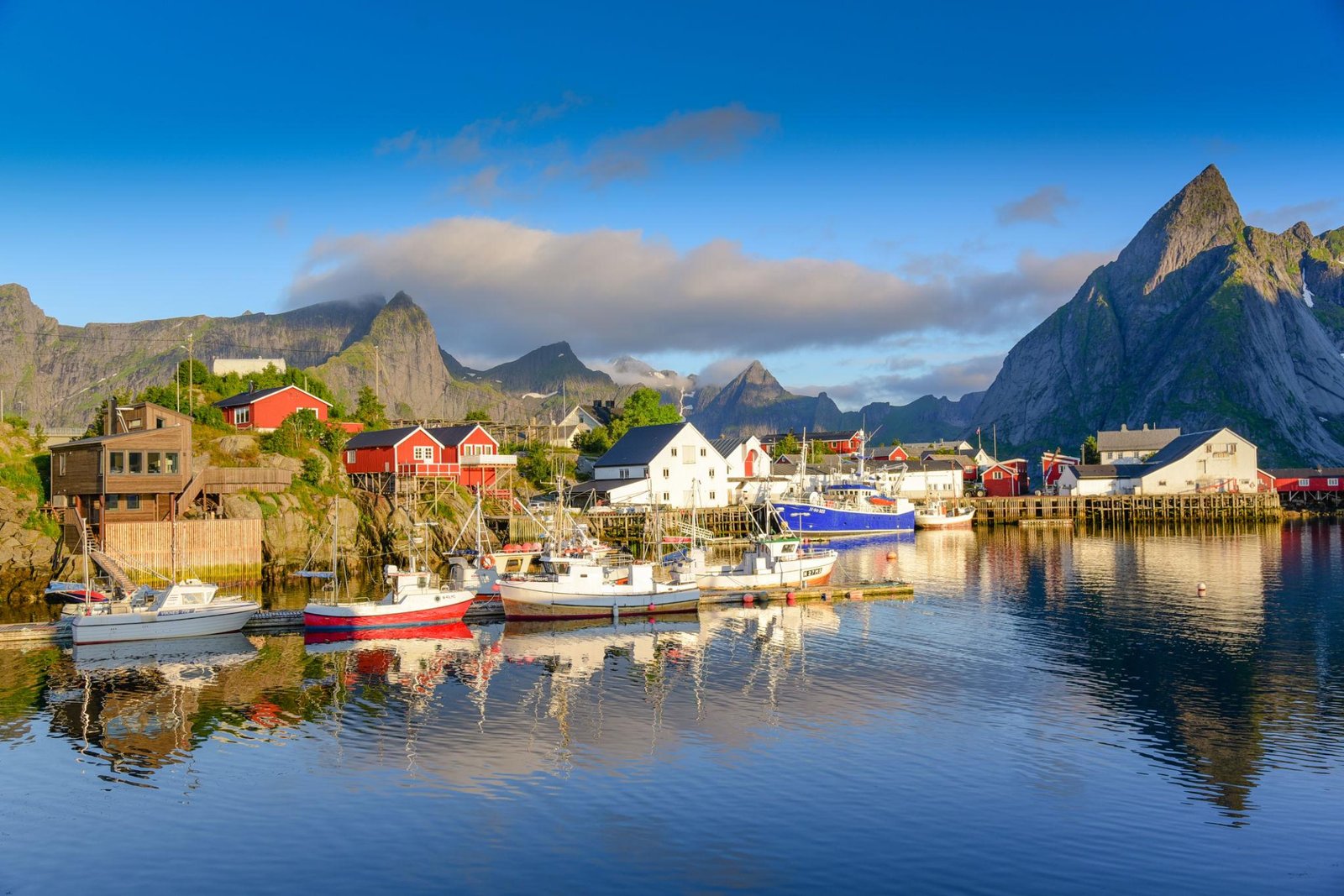
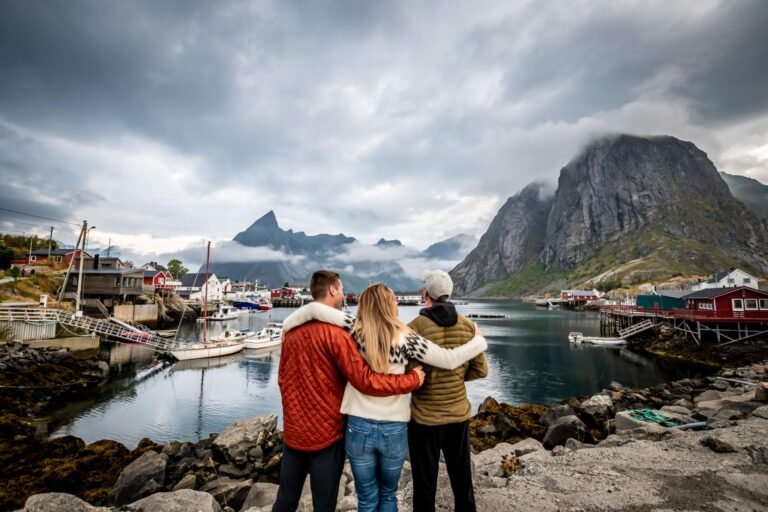
Known for dramatic mountain peaks and traditional fishing villages, Lofoten is a dream destination for photographers and outdoor lovers.
Popular activities:
Include everything above plus:

Norway’s cuisine focuses on fresh, local ingredients.
Popular dishes include:
Eating in restaurants can be expensive, so many travelers save money by shopping at supermarkets.
Alcohol is heavily taxed and sold under strict regulations.
Norwegians value nature, equality, and personal space.
Useful etiquette tips:
One important tradition is Friluftsliv, which celebrates spending time outdoors.
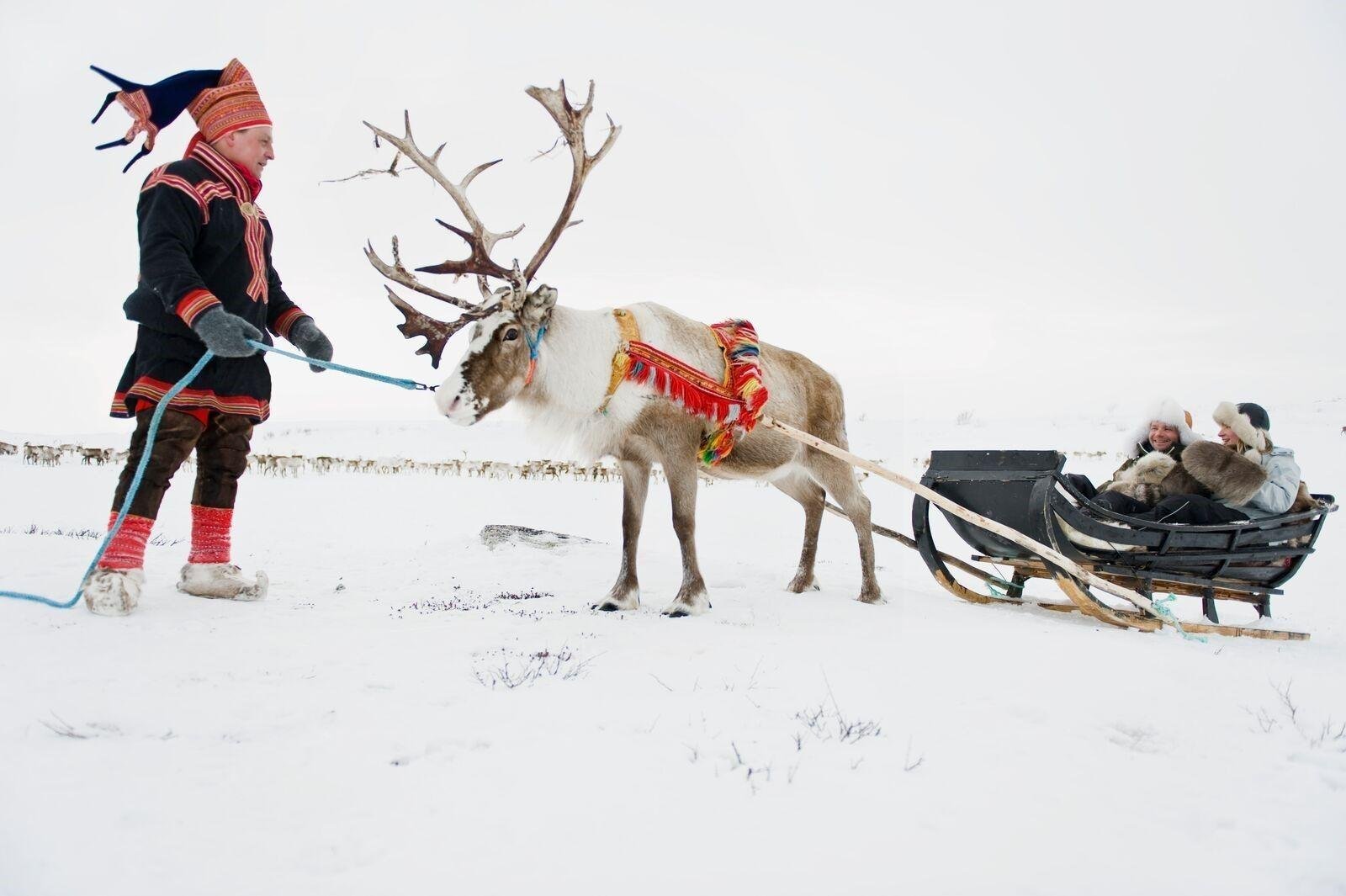
Norway also recognizes the rich heritage of the Sami people, especially in Northern Norway.
English is widely spoken across the country.
Norway is among Europe’s more expensive destinations.
Estimated daily budget per person:
$100–130 USD
Includes:
$190–255 USD
Includes:
Approximate prices:
Norway uses the Norwegian Krone (NOK).
Credit and debit cards are accepted almost everywhere, including small shops and public transport.
Cash is rarely needed.
The official language is Norwegian.
You’ll encounter two written forms:
Fortunately, English is spoken fluently by most Norwegians, making travel easy for international visitors.
Norway consistently ranks among the safest countries in the world.
Still, travelers should:
Emergency number: 112
Norwegian weather can change rapidly, even during summer.
Bring:
Electricity: 230V, Type C & F plugs

Norway is a global leader in sustainable tourism.
Help protect its natural beauty by:
Norway can be expensive, but smart planning helps.
Ways to save:
Norway is a destination that rewards every type of traveler. Whether you’re hiking along breathtaking fjords, cruising through UNESCO-listed waterways, exploring colorful coastal cities, or chasing the magical Northern Lights, every journey feels unforgettable.
With thoughtful planning, the right season, and a sense of adventure, you’ll discover why Norway is consistently ranked among the world’s most beautiful travel destinations. Whether it’s your first visit or a return trip, Norway offers experiences that stay with you long after you’ve returned home.