Physical Address
304 North Cardinal St.
Dorchester Center, MA 02124
Physical Address
304 North Cardinal St.
Dorchester Center, MA 02124


Oslo is the perfect introduction to Norway. As the country’s capital, it blends cutting-edge architecture, fascinating museums, waterfront neighborhoods, and beautiful green spaces with easy access to the Oslofjord. Unlike many European capitals, Oslo feels spacious, clean, and surprisingly close to nature, making it an ideal destination for travelers who enjoy both city attractions and outdoor adventures.
One of Oslo’s biggest advantages is its compact size. Most major attractions are within walking distance or a short tram, metro, or ferry ride away, making it easy to explore without a car. For first-time visitors, 2 to 4 days is enough to experience the city’s highlights while still leaving time for day trips or continuing your journey through Norway.
Although many travelers come to Norway for the fjords, Oslo deserves a place on every itinerary.
Here are just a few reasons to visit:
Whether you’re interested in history, art, food, or nature, Oslo offers something for everyone.
The Oslo Opera House is one of Norway’s most iconic modern landmarks.
Unlike most opera houses, visitors are encouraged to walk on the sloping marble roof, where you’ll enjoy panoramic views of the Oslofjord and the city’s skyline.
Sunset is one of the best times to visit, as the white marble reflects the changing colors of the sky.
Highlights include:
Entry to the rooftop is free.
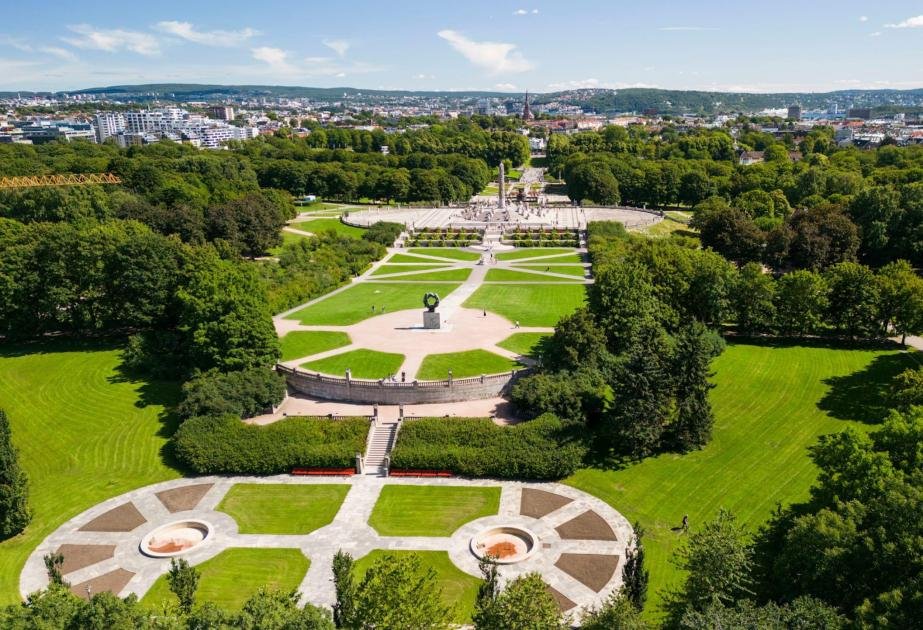
Located inside Frogner Park, Vigeland Sculpture Park is the world’s largest sculpture park created by a single artist.
Designed by Gustav Vigeland, the park features more than 200 bronze, granite, and wrought-iron sculptures that explore the different stages of human life.
The famous Monolith and Angry Boy statue are must-see attractions.
Highlights:
It’s one of Oslo’s most relaxing places to spend a few hours.
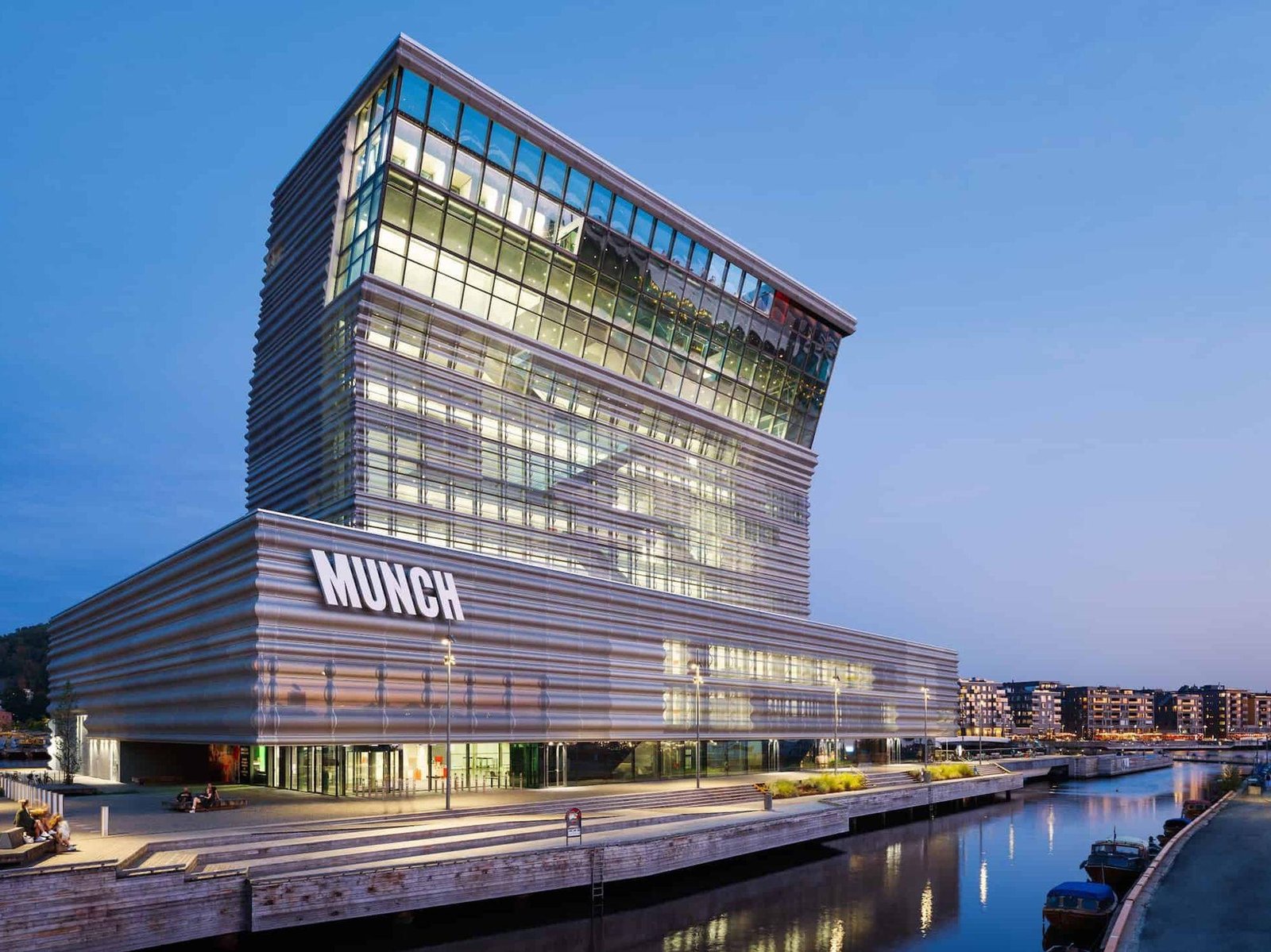
Art lovers shouldn’t miss the Munch Museum, home to one of Norway’s most celebrated artists, Edvard Munch.
The museum houses thousands of paintings, sketches, photographs, and personal belongings, including several versions of The Scream.
The modern waterfront building also offers fantastic city views from its upper floors.
Booking tickets in advance is recommended during busy periods.

Often called Oslo’s museum island, Bygdøy is home to several of Norway’s most popular museums and beautiful coastal scenery.
You can reach it by ferry during summer or by bus year-round.
Top attractions include:
The peninsula also offers beaches, walking trails, and picnic spots, making it perfect for a full day of sightseeing.
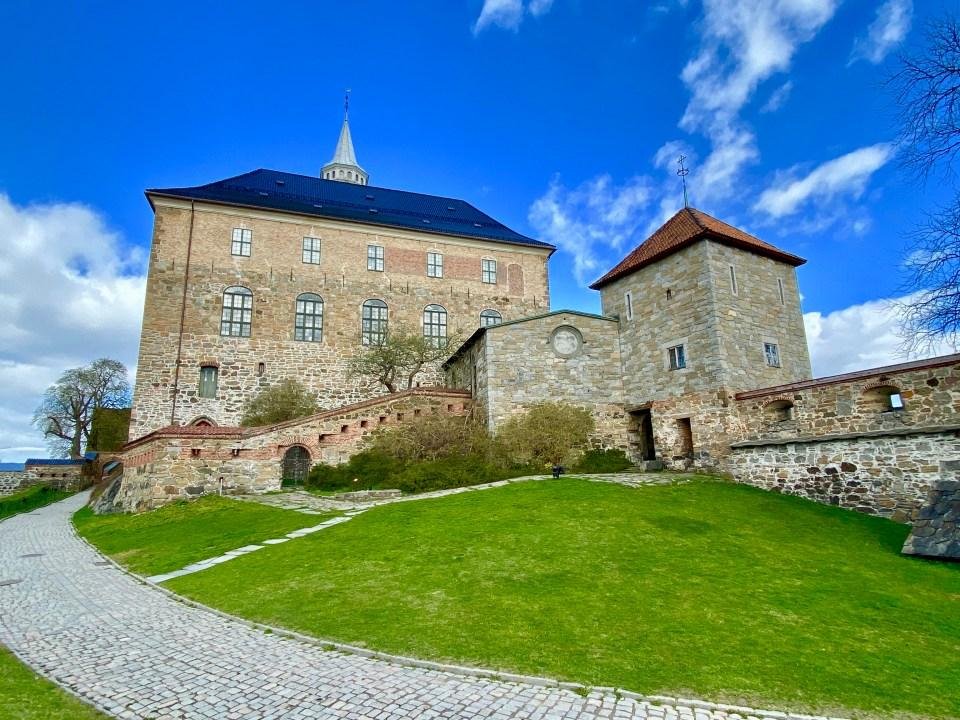
Overlooking Oslo Harbor, Akershus Fortress has protected the city for more than 700 years.
Visitors can explore the castle grounds, medieval buildings, museums, and scenic viewpoints overlooking the fjord.
It’s particularly beautiful in the evening when the walls are illuminated.
Highlights include:
Admission to the fortress grounds is free.
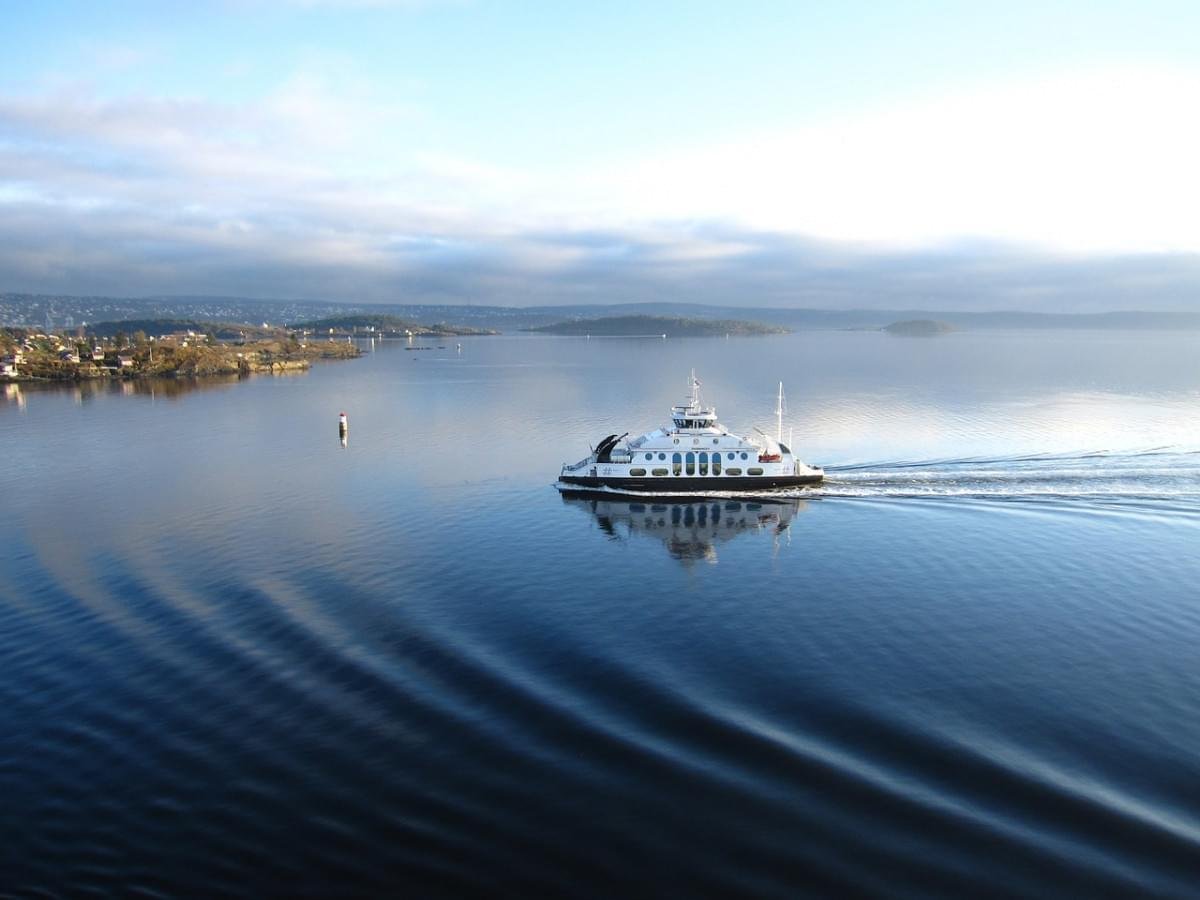
One of the best ways to experience Oslo is from the water.
Regular ferries connect the city to several nearby islands, including:
Visitors enjoy:
Dinner cruises are another excellent way to experience the Oslofjord.

Norway’s largest art museum features collections ranging from medieval artifacts to contemporary masterpieces.
Highlights include:
The museum is located within walking distance of the Opera House.

For a taste of local life, head to Grünerløkka.
This trendy neighborhood is filled with:
It’s one of the best places in Oslo to spend a relaxed afternoon
One of Norway’s most famous landmarks, Holmenkollen offers spectacular views over Oslo and the surrounding forests.
Visitors can:
The metro ride to Holmenkollen is an attraction in itself.

One of Oslo’s newest travel trends is combining a floating sauna with a refreshing dip in the Oslofjord.
These modern saunas are available throughout the waterfront and provide a uniquely Norwegian wellness experience.
Many visitors enjoy alternating between the warm sauna and the cool fjord water.
If you have extra time, consider visiting:
These attractions offer a quieter side of the city and are perfect for a leisurely day of exploring.
Oslo has one of Europe’s best public transportation systems.
You can easily travel using:
The Ruter app makes planning journeys simple, while the Oslo Pass can save money by including unlimited public transportation and free entry to many attractions.
Walking is also an excellent way to explore the city center.
For first-time visitors, these neighborhoods are ideal:
Staying centrally makes it easy to explore Oslo without needing a car.
Oslo has an excellent food scene that combines traditional Norwegian cuisine with international flavors.
Don’t miss:
For affordable meals, visit Mathallen Food Hall or shop at local supermarkets.
Oslo offers the perfect balance of culture, history, modern design, and outdoor living. From walking across the roof of the Opera House and admiring world-famous art to exploring historic fortresses, relaxing on Oslofjord islands, and discovering trendy neighborhoods, there’s something here for every traveler. As the gateway to Norway’s fjords, mountains, and Arctic adventures, Oslo is more than just a starting point—it’s a destination well worth exploring in its own right.