Physical Address
304 North Cardinal St.
Dorchester Center, MA 02124
Physical Address
304 North Cardinal St.
Dorchester Center, MA 02124

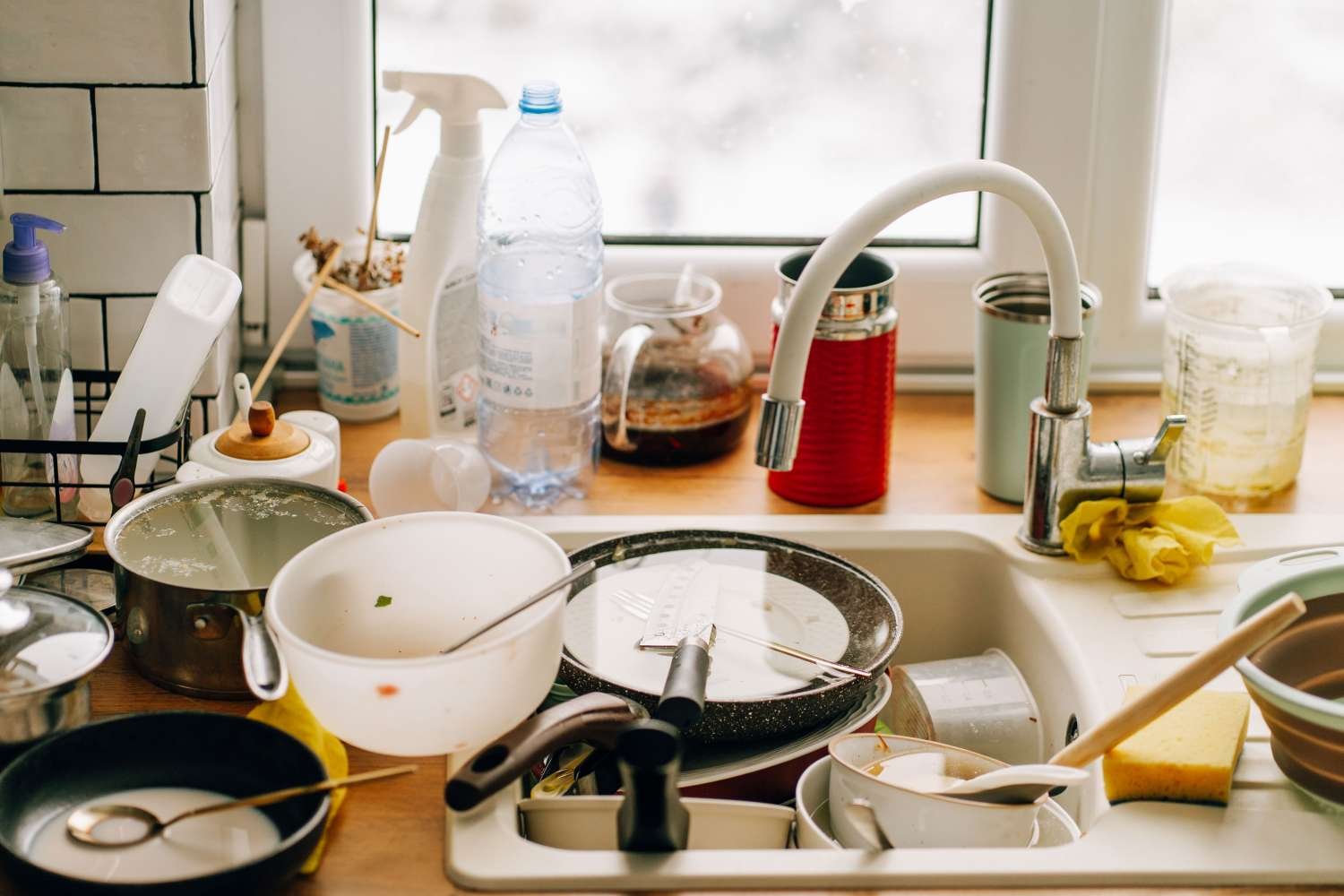
You wipe the counter. You rinse the sponge. Everything looks clean—until a few hours later. Water puddles near the sink, the sponge smells faintly off, bottles crowd the edges, and the area that should feel the cleanest somehow feels the messiest.
The kitchen sink zone is cleaned more often than any other spot in the kitchen, yet it’s usually the least organized. That’s not because of bad habits. It’s because most sink areas aren’t set up to stay clean in the first place.
The sink is a high-traffic, high-moisture zone. Water splashes constantly, items are used multiple times a day, and there’s rarely a defined place for anything to dry properly.
The most common issues come down to:
This is why many people switch to sink caddies designed to let water drain away, instead of leaving tools flat on the counter.
Even a spotless counter can feel unhygienic if water has nowhere to go.
A clean sink area isn’t about hiding everything—it’s about controlling moisture and access.
When the setup works:
This is why organization around the sink works best when it’s vertical, elevated, or drain-friendly.
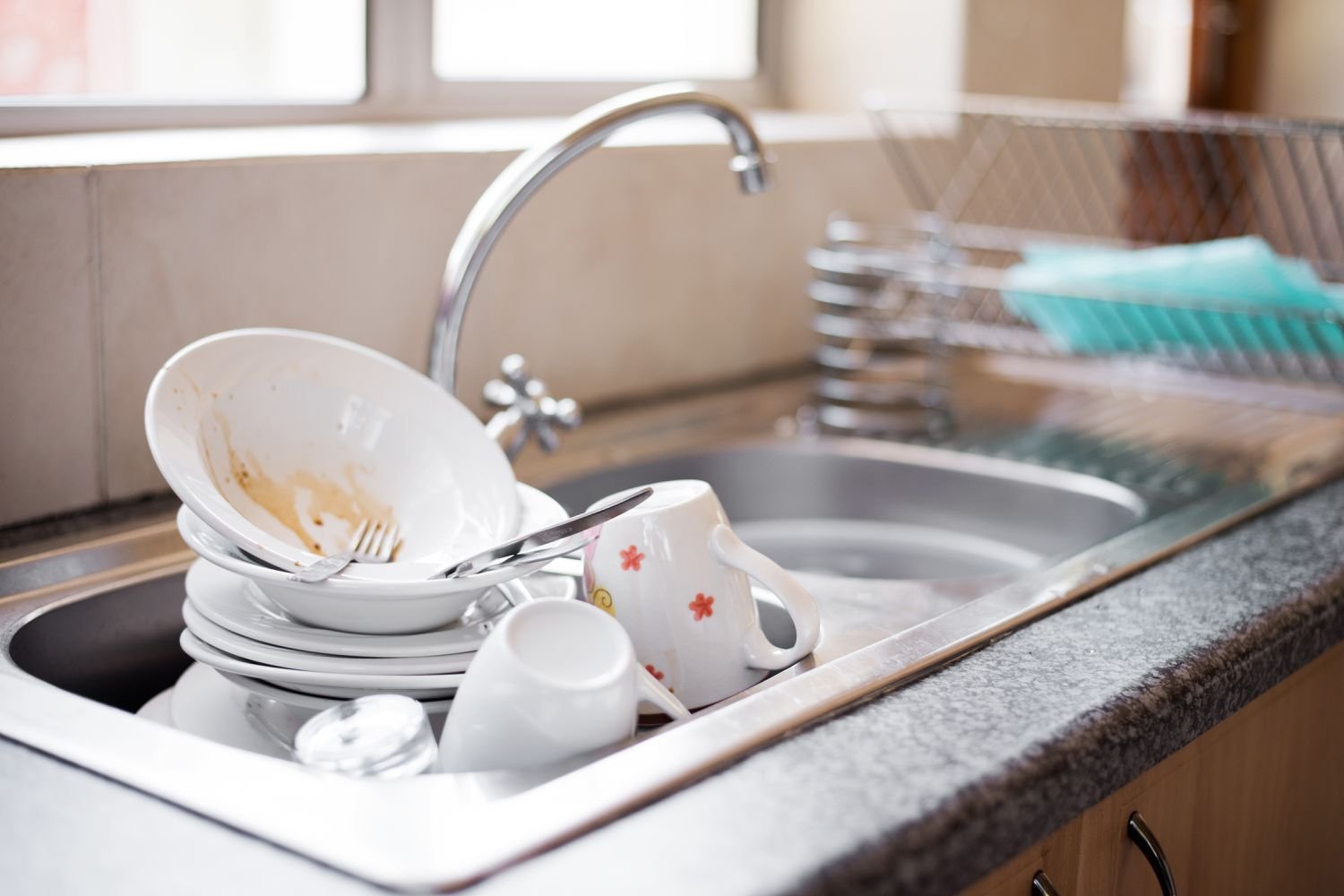
Placing sponges, brushes, and soap bottles directly on the counter seems convenient, but it creates a constant wet zone.
Real-life example:
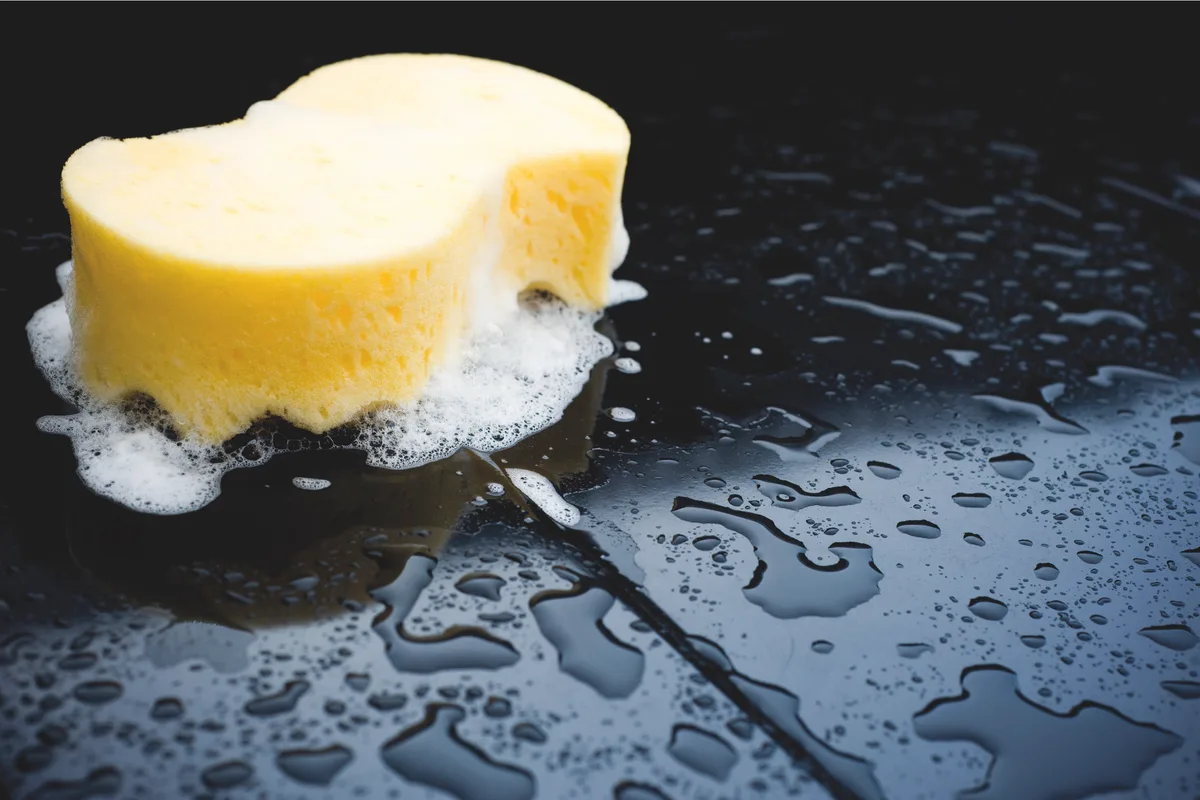
A sponge sits next to the sink. Water drips underneath it. By evening, the bottom never fully dries. Over time, odors form—not because the sponge is dirty, but because it’s always damp.
Using sponge holders that keep tools off the counter helps prevent constant dampness and lingering smells.
Flat placement kills airflow. And without airflow, cleanliness doesn’t last.
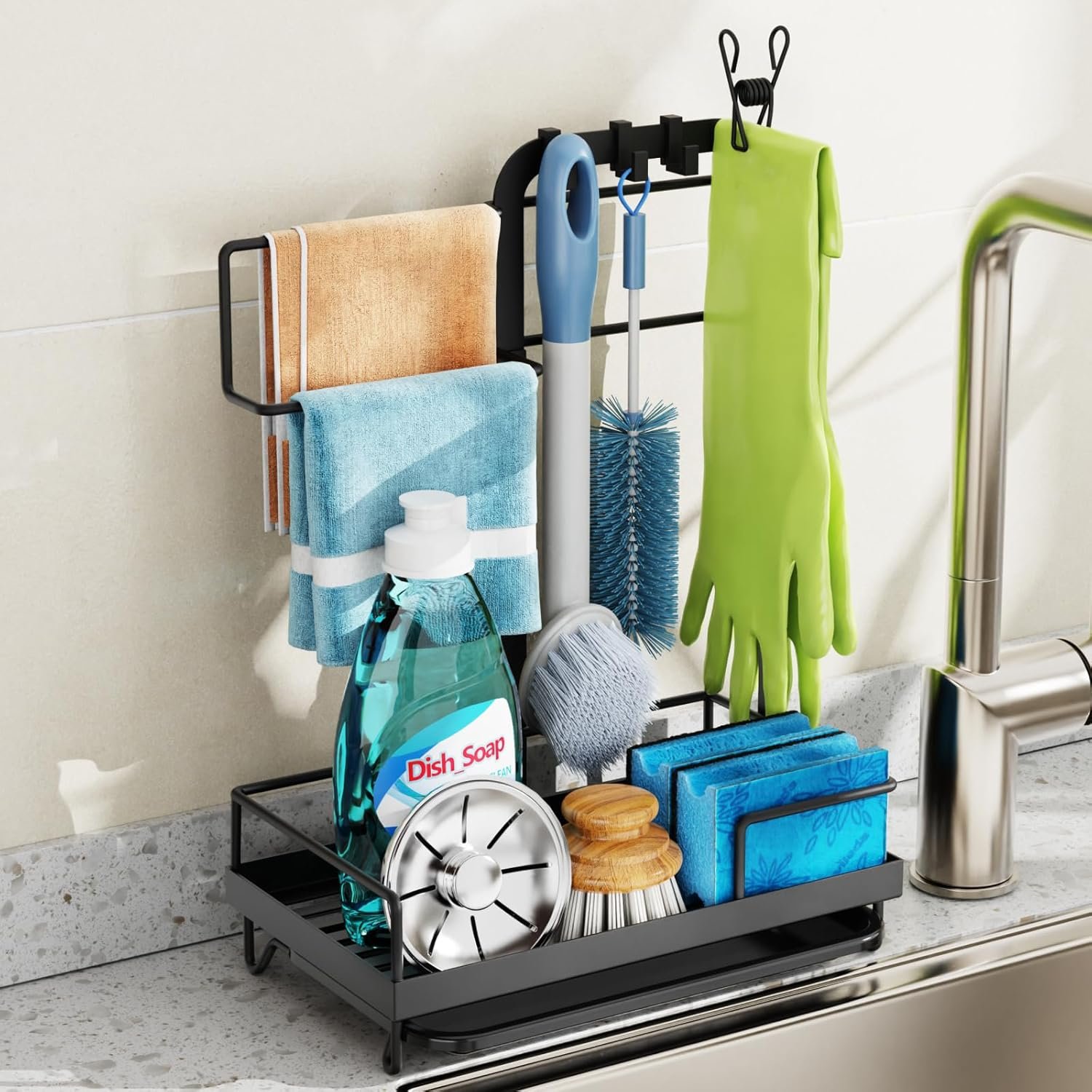
Instead of rearranging daily, the sink area needs a few simple structural upgrades.
Sink caddies with drainage
These hold sponges and brushes slightly elevated, letting water drip away instead of pooling. Designs with open bases or drain holes dry faster and stay cleaner longer.
Soap dispensers with trays or stands
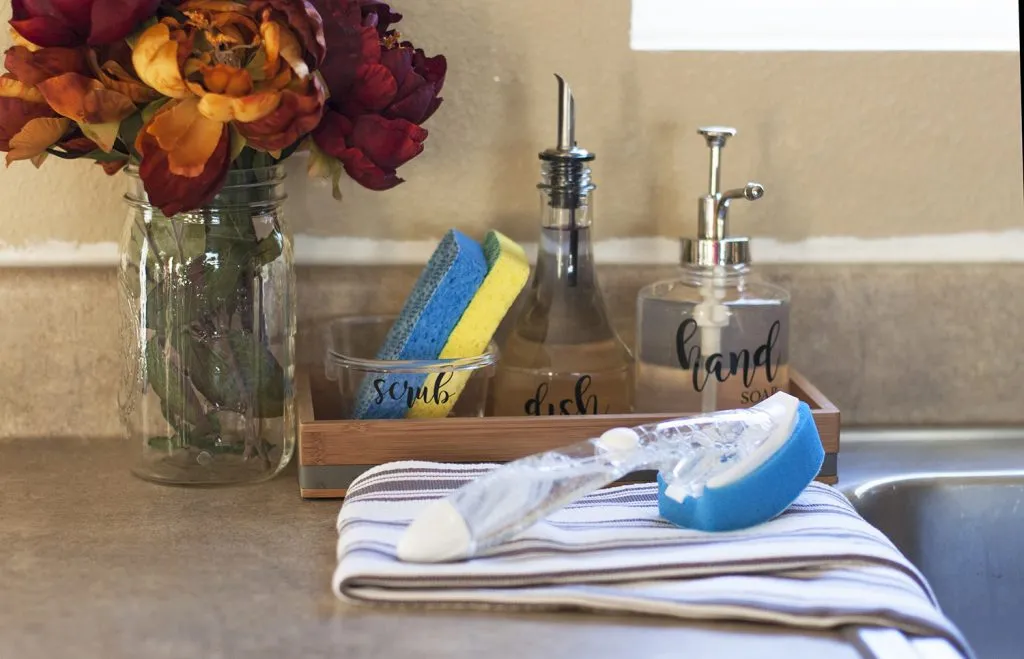
Separating soap from the counter keeps residue from spreading and makes wiping the area easier.
Grouping soap and brushes on sink trays that contain drips and residue makes wiping the counter quick and effortless.
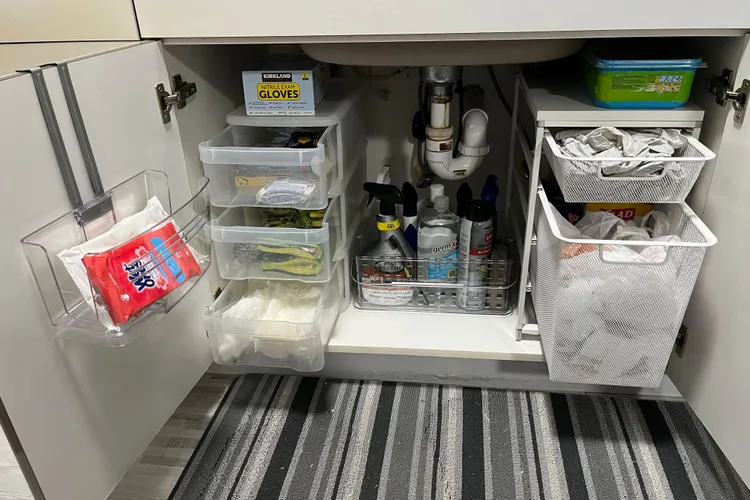
Under-sink or sink-bridge organizers
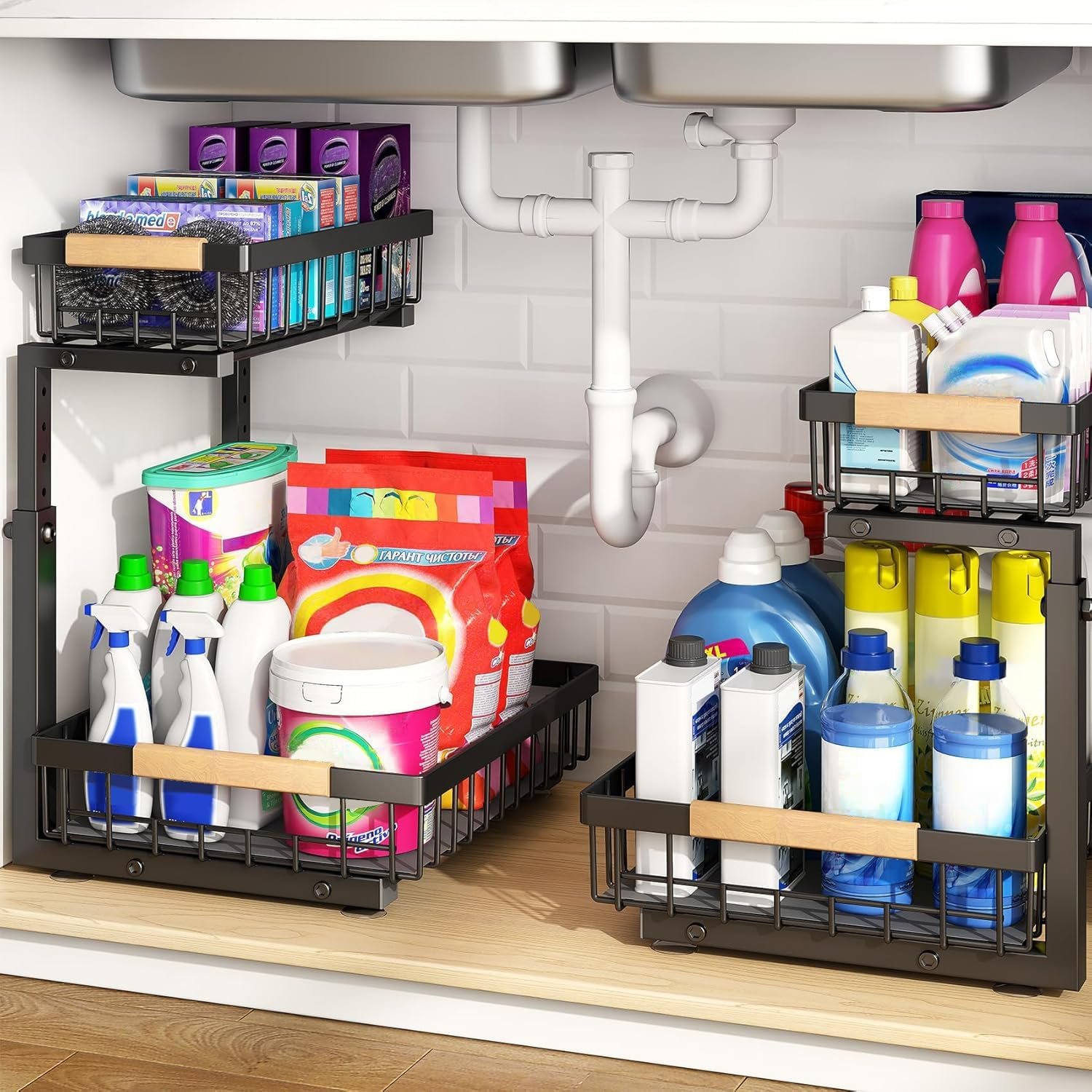
By moving bottles, cloths, or backups off the counter and into defined zones, the area instantly feels less crowded and more hygienic.
A well-draining sink organizer with open sides keeps sponges and brushes elevated so they dry faster between uses.
Moving backups and bottles off the counter into compact under-sink organizers instantly reduces visual clutter.
These tools don’t add more items—they reduce surface contact.
Many people try to keep the sink area clean by minimizing what’s visible. But hiding essentials often backfires, causing items to be left wherever there’s space.
When tools are:
They actually stay more organized. This is why compact sink organizers often outperform drawers or cabinets for daily-use items.
Consider replacing one habit: instead of setting the sponge down, place it in a well-draining sink organizer. Instead of lining bottles along the backsplash, group them in a contained tray or caddy.
These changes reduce:
Many people browsing sink organizers on Amazon aren’t looking to decorate—they’re trying to stop a mess that keeps returning.
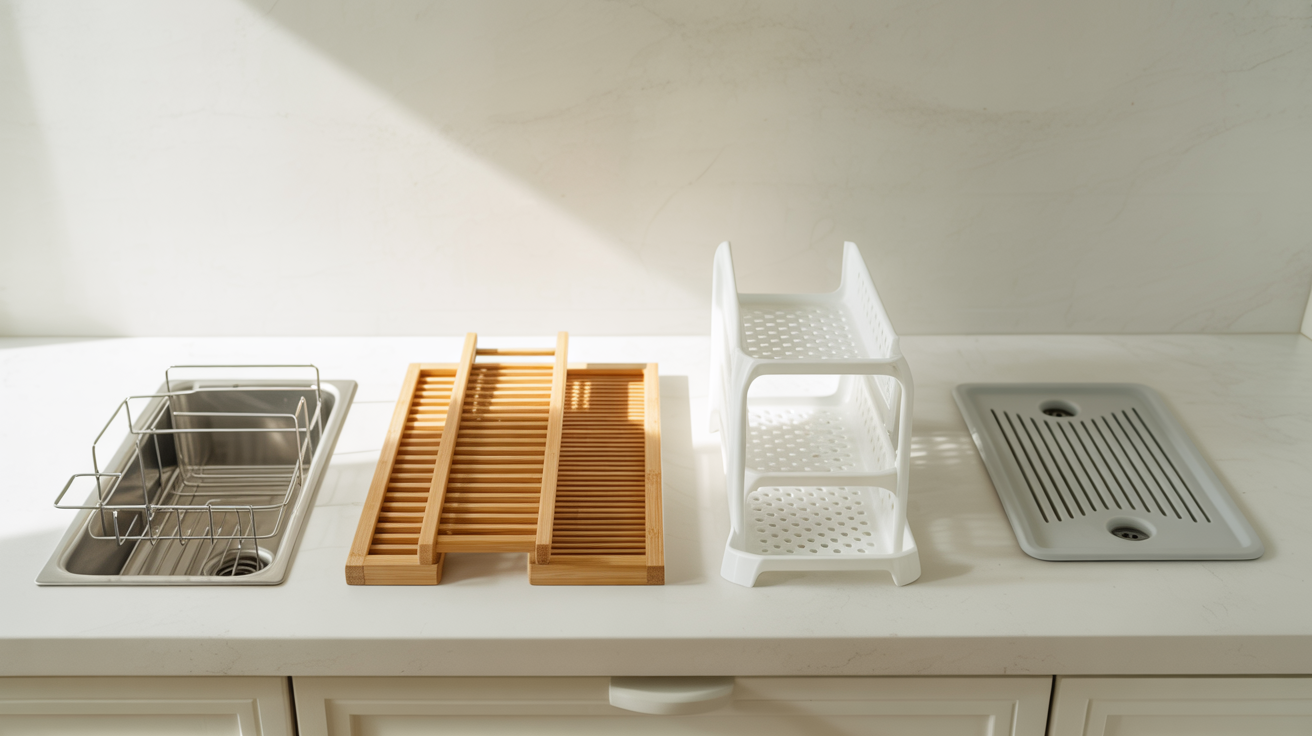
Once the problem is clear, decisions get easier. Shoppers tend to look for:
At this point, exploring a few sink organization options feels practical, not promotional, because the solution matches a daily frustration.
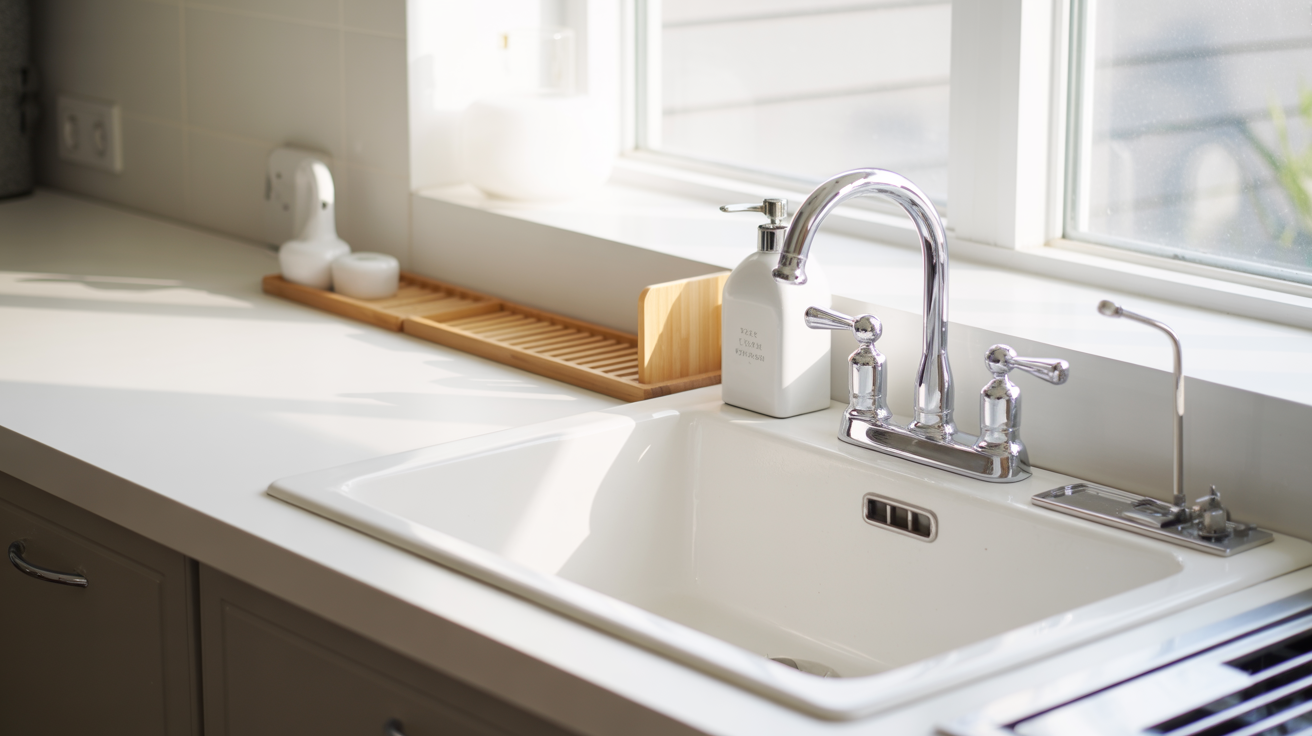
A sink stays clean when water can escape, tools can dry, and every item has a clear place. You don’t need to remove everything—you just need to stop letting moisture sit where it doesn’t belong.
Starting with a simple sink organizer designed for daily drainage is often enough to make the area feel cleaner without changing your routine.
The cleanest way to organize the kitchen sink area isn’t about perfection. It’s about creating a setup that quietly works in the background, so cleanliness lasts longer and effort stays minimal. Sometimes, one well-chosen organizer is enough to change how the entire space feels.