Physical Address
304 North Cardinal St.
Dorchester Center, MA 02124
Physical Address
304 North Cardinal St.
Dorchester Center, MA 02124

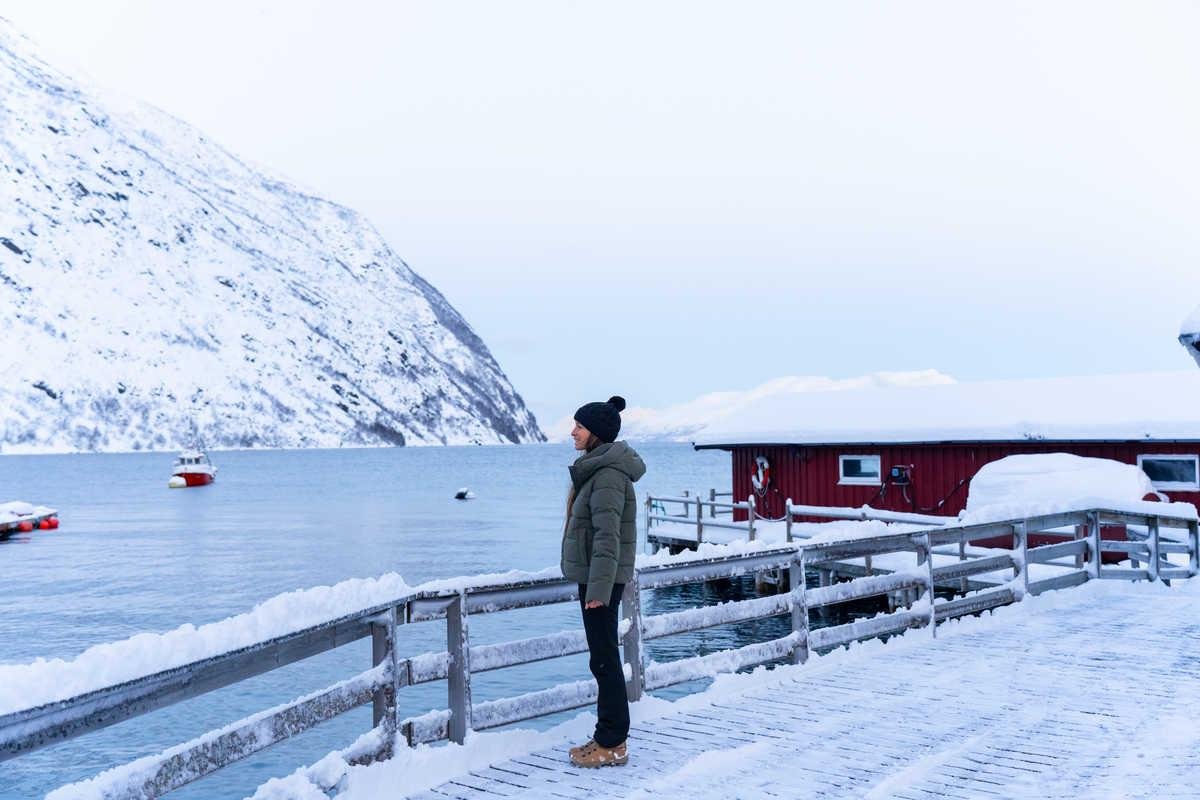
Winter transforms Norway into a magical destination of snow-covered mountains, frozen waterfalls, cozy cities, and spectacular Northern Lights. But to truly enjoy the experience, dressing properly is essential. Temperatures can range from just below freezing in southern cities to well below -20°C (-4°F) in the Arctic, and wind chill can make it feel even colder.
The good news is that staying warm isn’t about wearing one huge coat—it’s about layering your clothing correctly. A well-planned layering system keeps you warm, dry, and comfortable whether you’re sightseeing in Oslo, cruising through the fjords, or chasing the Aurora in Tromsø.
Winter conditions vary significantly depending on where you travel.
Typical temperatures include:
Snow, rain, wind, and ice are all possible during the same trip, making versatile clothing essential.
The secret to staying warm in Norway is dressing in three layers.
Each layer has a specific purpose:
This system allows you to add or remove layers depending on the weather and your activity level.
Your base layer sits directly against your skin and plays a huge role in keeping you warm.
Choose:
Merino wool is the preferred choice because it:
Avoid cotton, as it absorbs moisture and can leave you feeling cold.


The mid layer provides insulation by trapping warm air close to your body.
Good options include:
Traditional Norwegian wool sweaters are both practical and stylish, making them a great choice for sightseeing or evenings out.
On especially cold days, you may want to wear two insulating layers.
A high-quality winter jacket is your most important piece of clothing.
Look for a jacket that is:
For Arctic destinations, a down parka offers excellent warmth, while a synthetic insulated jacket performs better in wet conditions.
If you’re planning winter hikes or snow activities, insulated snow pants or waterproof over-trousers are also highly recommended.


Warm feet make a huge difference when exploring Norway.
Your boots should be:
Many visitors also carry microspikes or removable ice grips, especially when walking on icy sidewalks and trails.
Pair your boots with thick merino wool socks for maximum comfort.


Don’t underestimate the importance of accessories.
Pack:
Reflective accessories are surprisingly common in Norway because winter days are short and visibility can be limited.
Winter in Oslo is generally cold but manageable.
Wear:
Expect icy sidewalks, so shoes with good grip are important.
Bergen’s winters are often wetter than colder.
Prioritize:
A fully waterproof outer layer is often more useful than an extremely thick coat.
The Arctic requires more insulation.
Bring:
If you’re joining a Northern Lights tour, you’ll spend long periods standing outside, so dressing warmly is essential.


Wear:
Standing still in freezing temperatures feels much colder than walking around.
Many tour operators provide insulated suits, but you should still wear:
Always check what’s included before packing.
Museums, cafés, and restaurants are well heated.
Dress in layers so you can easily remove your jacket indoors.
Traveling in winter means bulky clothing, so pack strategically.
Helpful tips include:
If you forget anything, Norway has excellent outdoor retailers—but winter gear can be expensive.
Avoid:
These items offer little protection against cold, wet, and icy conditions.
Dressing for winter in Norway is all about layering wisely rather than wearing one oversized coat. Start with warm merino wool base layers, add insulating fleece or wool mid-layers, and finish with a waterproof, windproof winter parka. Pair this with insulated boots, warm gloves, a hat, and a scarf or neck warmer, and you’ll be ready for everything from snowy streets in Oslo to Northern Lights adventures in Tromsø. With the right clothing, you can stay warm, comfortable, and fully enjoy Norway’s breathtaking winter landscapes.